
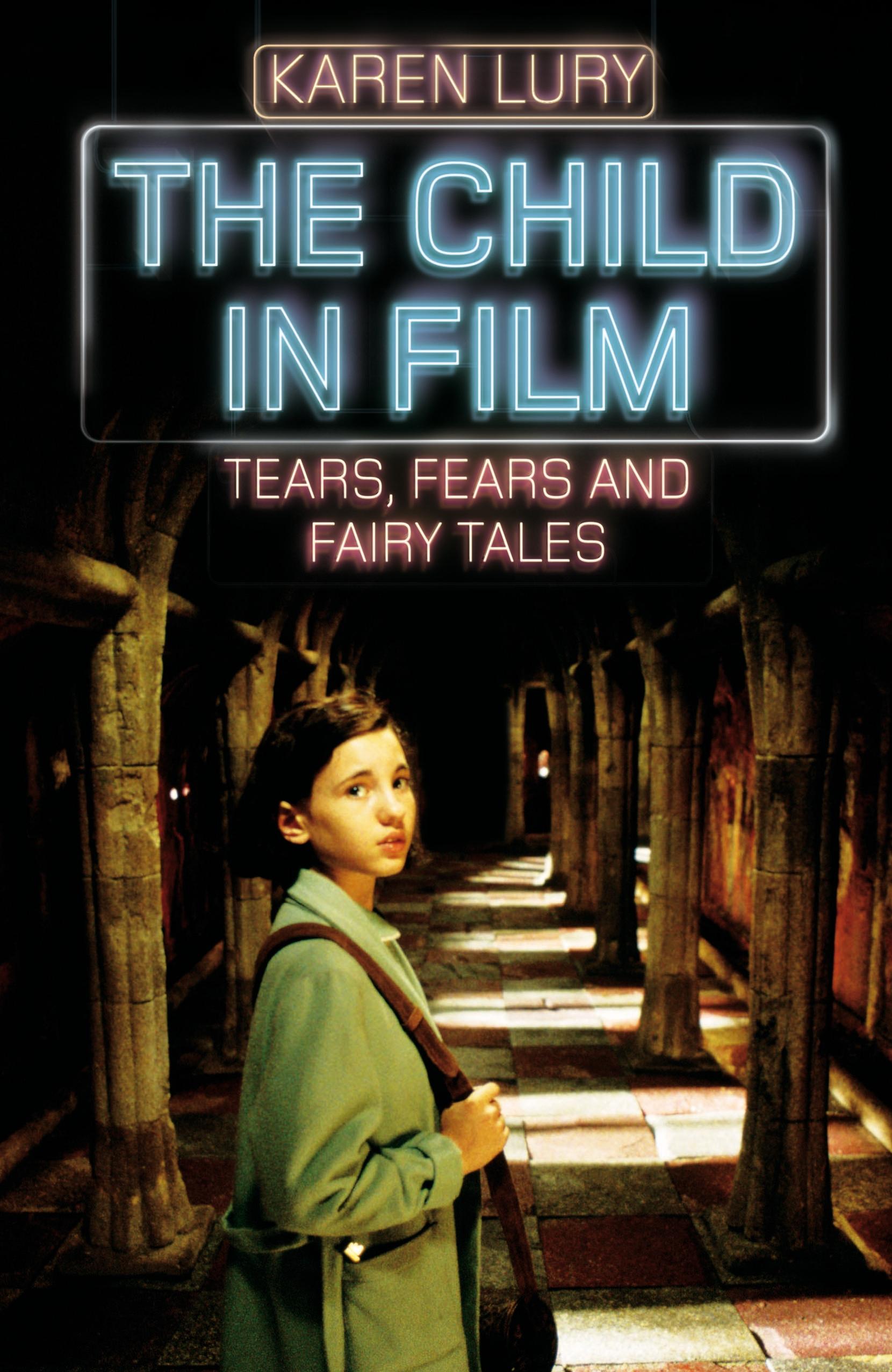
Ghastly and ghostly children, 'dirty little white girls', the child as witness and as victim, have always played an important part in the history of cinema, as have child performers themselves. In exploring the disruptive power of the child in films made for an adult audience across popular films, including "Taxi Driver" and Japanese horror, and 'art-house' productions like "Mirror" and "Pan's Labyrinth", Karen Lury investigates why the figure of the child has such a significant impact on the visual aspects and storytelling potential of cinema.Lury's main argument is that the child as a liminal yet powerful agent has allowed filmmakers to play adventurously with cinema's formal conventions - with far-reaching consequences. In particular, she reveals how a child's relationship to time allows it to disturb and question conventional master-narratives. She explores too the investment in the child actor and expression of child sexuality, as well as how confining and conservative existing assumptions can be in terms of commonly held beliefs as to who children 'really are'.
Betal enkelt med kort, Klarna, Apple Pay eller Google Pay. Ikke fornøyd? Du har alltid 14 dagers angrerett. Les mer i våre vilkår. Har du spørsmål, send oss en e-post på hello@memmo.org.
Memmo gjør det enklere å studere – uansett hvor du er i verden. Hos oss samler du pensumbøker og smarte studieverktøy på ett og samme sted: sammendrag, quizer, podkaster og flashcards. Og så Ted, din studiekompis som svarer på alt du lurer på. Over 50 000 studenter studerer allerede her – bygget for at du skal lære raskere og stresse mindre.