
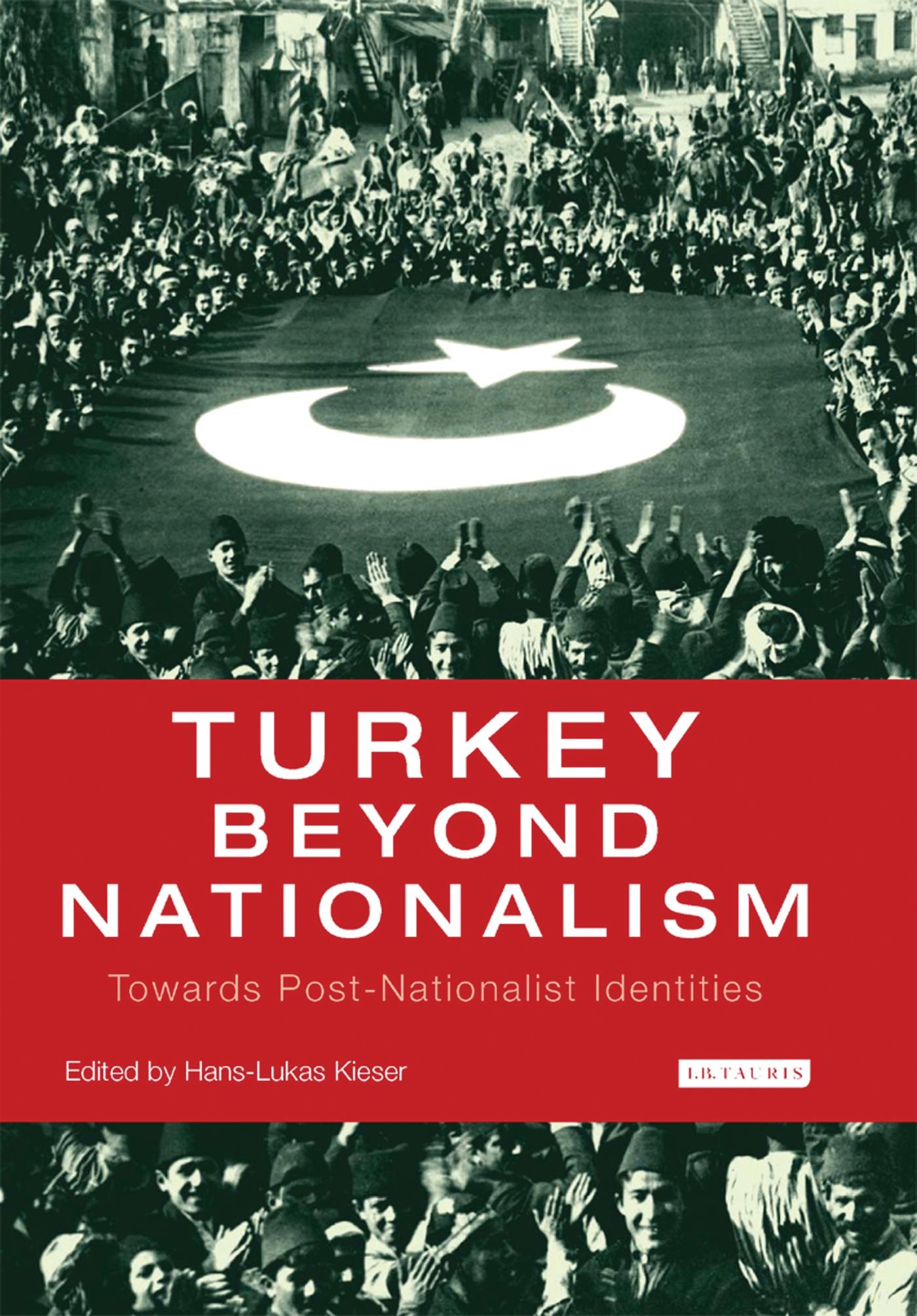
Nationalism was a defining characteristic of Turkey in the twentieth century and was a central driving force in Kemal Ataturk's foundation of the Republic in 1923. How did the prominence of Kemalist ways of political thinking affect its people and policies? Is Turkey making progress towards post-nationalism or post-Kemalism in the twenty-first century? To what extent has Turkey's EU candidature been a vehicle of transformation since 1999 and what would EU membership mean for modern Turkey? This book explores the historical impact of Turkish nationalism, anti- liberalism and Westernization and examines the conditions that have contributed to the country's evolution from a quasi-religious Kemalism. Tracing the development of nationalism from its founding period before the Young Turk Revolution of 1908 to Kemalism and the present AKP government- and analysing key factors such as the position of minorities in the Turkification process and the influence of religious politics-this strong and significant contribution casts a new light on a vivid international debate.
Betal enkelt med kort, Klarna, Apple Pay eller Google Pay. Ikke fornøyd? Du har alltid 14 dagers angrerett. Les mer i våre vilkår. Har du spørsmål, send oss en e-post på hello@memmo.org.
Memmo gjør det enklere å studere – uansett hvor du er i verden. Hos oss samler du pensumbøker og smarte studieverktøy på ett og samme sted: sammendrag, quizer, podkaster og flashcards. Og så Ted, din studiekompis som svarer på alt du lurer på. Over 50 000 studenter studerer allerede her – bygget for at du skal lære raskere og stresse mindre.