
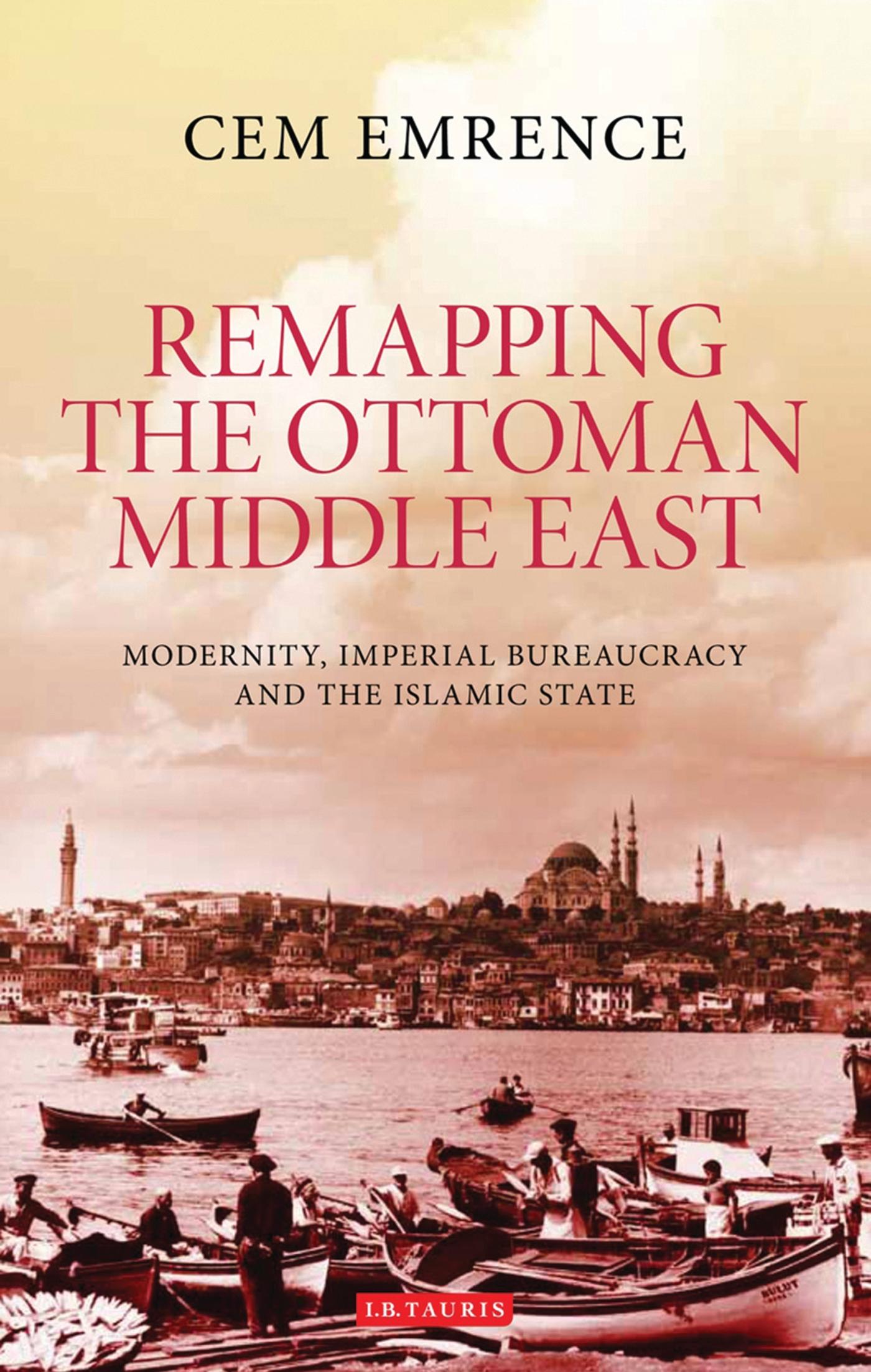
As a result of the formation of the modern Turkish state, nationalist narratives of the Ottoman Empire's collapse are commonplace. Remapping the Ottoman Middle East, on the other hand, examines alternative and disparate routes to modernity during the nineteenth century. Pursuing a comparison of different regions of the empire, this book demonstrates that the Ottoman imperial universe was shaped by three distinct and simultaneous narratives: market relations in its coastal areas; imperial bureaucracy in the cities of central Anatolia, Syria and Palestine; and Islamic trust networks in the frontier regions of the Arabian Peninsula. In weaving together these localized developments, Cem Emrence departs from narratives of state centralism and suggests that a comprehensive way of understanding the late Ottoman world and its legacy should start from exploring regionally-constituted and network-based historical trajectories. Introducing a persuasive new model for understanding the late Ottoman world, this book will be essential reading for historians of the Ottoman Empire.
Betal enkelt med kort, Klarna, Apple Pay eller Google Pay. Ikke fornøyd? Du har alltid 14 dagers angrerett. Les mer i våre vilkår. Har du spørsmål, send oss en e-post på hello@memmo.org.
Memmo gjør det enklere å studere – uansett hvor du er i verden. Hos oss samler du pensumbøker og smarte studieverktøy på ett og samme sted: sammendrag, quizer, podkaster og flashcards. Og så Ted, din studiekompis som svarer på alt du lurer på. Over 50 000 studenter studerer allerede her – bygget for at du skal lære raskere og stresse mindre.