
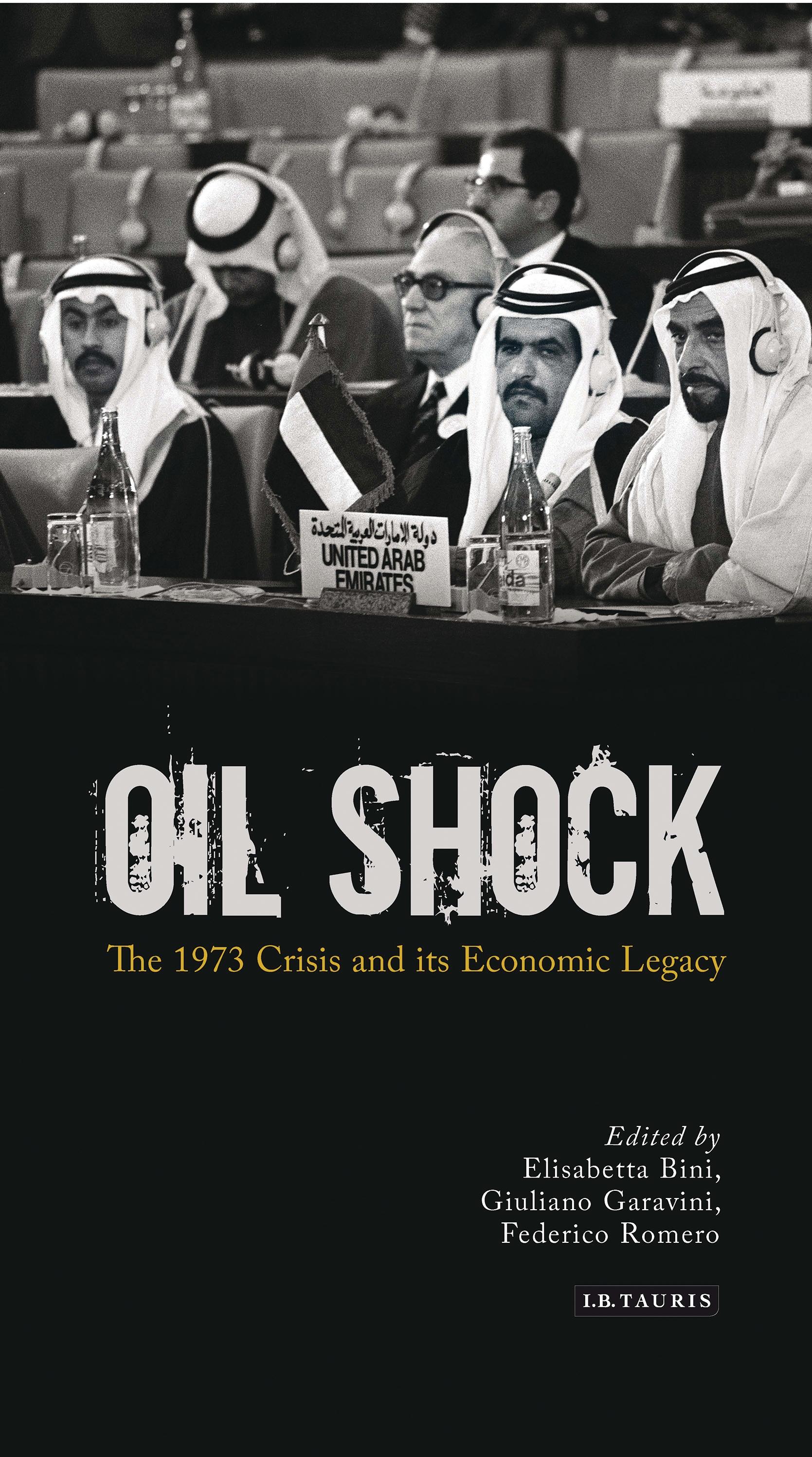
The 1973 'Oil Shock' is considered a turning point in the history of the twentieth century. At the time it seemed to mark a definitive shift from the era of low priced oil to the era of expensive oil. For most Western industrialized countries, it became the symbolic marker of the end of an era. For many oil producers, it translated into an unprecedented control over their energy resources, and completed the process of decolonization, leading to a profound redefinition of international relations.This book provides an analysis of the crisis and its global political and economic impact. It features contributions from a range of perspectives and approaches, including political, economic, environmental, international and social history. The authors examine the origins of what was defined as an 'oil revolution' by the oil-producing countries, as well as the far-reaching effects of the 'shock' on the Cold War and decolonization, on international energy markets and the global economy. In doing so, they help place the event in its historical context as a key moment in the transformation of the international economy and of North-South relations.
Betal enkelt med kort, Klarna, Apple Pay eller Google Pay. Ikke fornøyd? Du har alltid 14 dagers angrerett. Les mer i våre vilkår. Har du spørsmål, send oss en e-post på hello@memmo.org.
Memmo gjør det enklere å studere – uansett hvor du er i verden. Hos oss samler du pensumbøker og smarte studieverktøy på ett og samme sted: sammendrag, quizer, podkaster og flashcards. Og så Ted, din studiekompis som svarer på alt du lurer på. Over 50 000 studenter studerer allerede her – bygget for at du skal lære raskere og stresse mindre.