
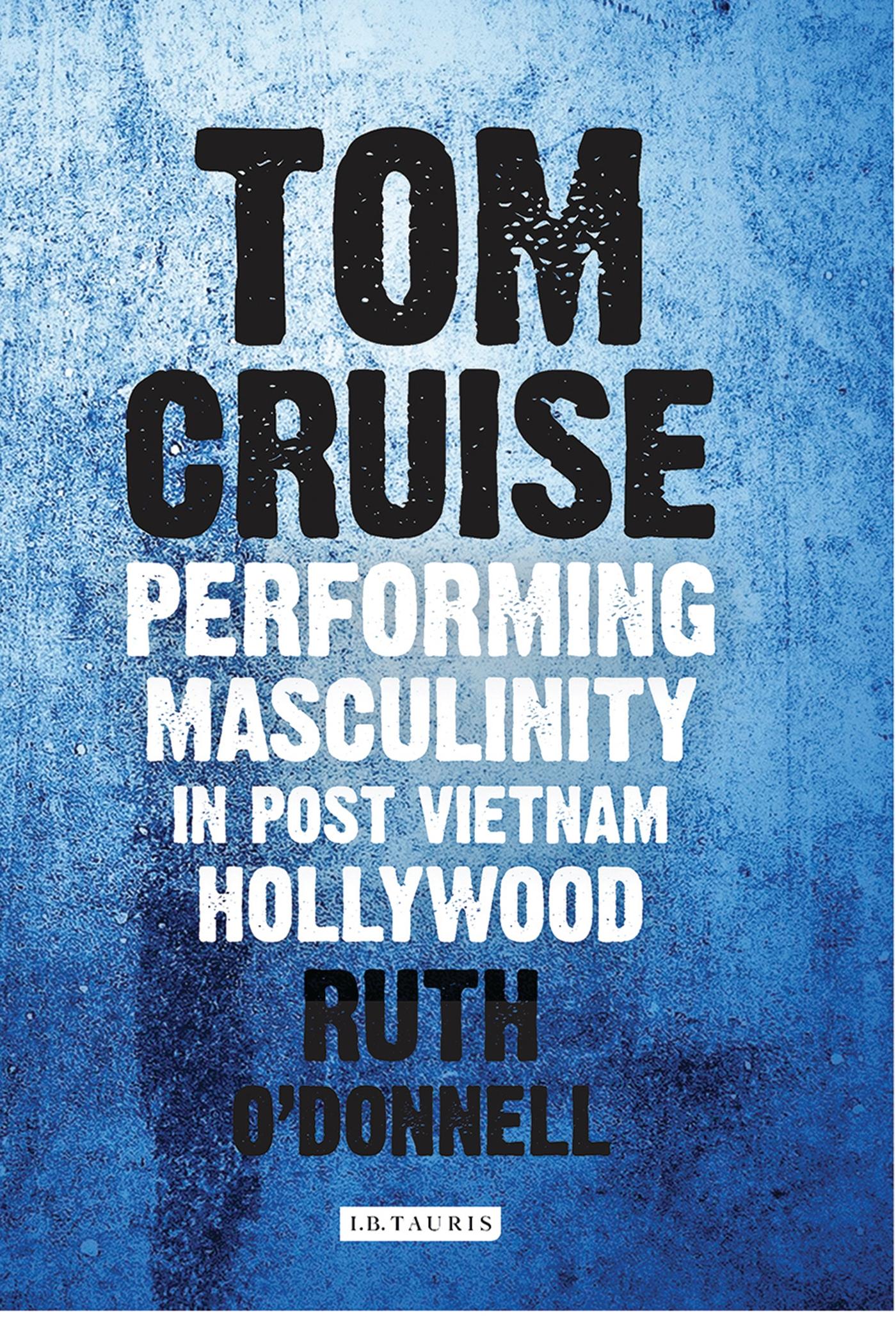
Tom Cruise is a Hollywood superstar like no other. World famous since his debut in the 1980s, he remains among the highest paid actors. Why has his persona resonated so powerfully with millions of viewers? Using psychoanalytic theory, "Tom Cruise: Performing Masculinity in Post Vietnam Hollywood" demonstrates how his star persona sublimates anxieties about masculinity. Amid Reagan-era military jingoism and concern over declining industrial labour, he represented a new model of American masculinity based on white-collar upward mobility. Spanning blockbuster films such as Risky Business (1983), Jerry Maguire (1996) and the Mission: Impossible series (1996 - 2011), this book illustrates how his characters exemplify entrepreneurialism, charisma, technological gadgetry and verbal acuity to redefine male success. His newly emotive type - 'help me help you' - also successfully overcomes interpersonal conflicts with patriarchal authority and senior women in the workplace, and navigates race relations. The first scholarly study of Tom Cruise's celebrity, this book surveys his entire career and builds on Richard Dyer's 'star theory.'
It develops the core dynamic of his star persona, a mix of projected character traits and 'real life' trivia or gossip, and establishes that his box office success reflects his persona's ability to work through the psychodynamic preoccupations of his films. This exceptional appeal evolved, at times characterised by complicity with 1980s materialistic hedonism (Taps, 1981), male spectacle (Magnolia, 1999), or his use of martial technology (War of the Worlds, 2005), and their attendant psychic meanings. Recent shifts in American culture, however, in tandem with Tom Cruise's growing evangelism for the Church of Scientology, may be threatening his appeal. Ultimately, this book offers a picture of how stars reflect the values and crises of their societies, and fills a substantial gap in scholarship on celebrity studies, critical cultural analysis, masculinity studies, and film theory.
It develops the core dynamic of his star persona, a mix of projected character traits and 'real life' trivia or gossip, and establishes that his box office success reflects his persona's ability to work through the psychodynamic preoccupations of his films. This exceptional appeal evolved, at times characterised by complicity with 1980s materialistic hedonism (Taps, 1981), male spectacle (Magnolia, 1999), or his use of martial technology (War of the Worlds, 2005), and their attendant psychic meanings. Recent shifts in American culture, however, in tandem with Tom Cruise's growing evangelism for the Church of Scientology, may be threatening his appeal. Ultimately, this book offers a picture of how stars reflect the values and crises of their societies, and fills a substantial gap in scholarship on celebrity studies, critical cultural analysis, masculinity studies, and film theory.
Betal enkelt med kort, Klarna, Apple Pay eller Google Pay. Ikke fornøyd? Du har alltid 14 dagers angrerett. Les mer i våre vilkår. Har du spørsmål, send oss en e-post på hello@memmo.org.
Memmo gjør det enklere å studere – uansett hvor du er i verden. Hos oss samler du pensumbøker og smarte studieverktøy på ett og samme sted: sammendrag, quizer, podkaster og flashcards. Og så Ted, din studiekompis som svarer på alt du lurer på. Over 50 000 studenter studerer allerede her – bygget for at du skal lære raskere og stresse mindre.