
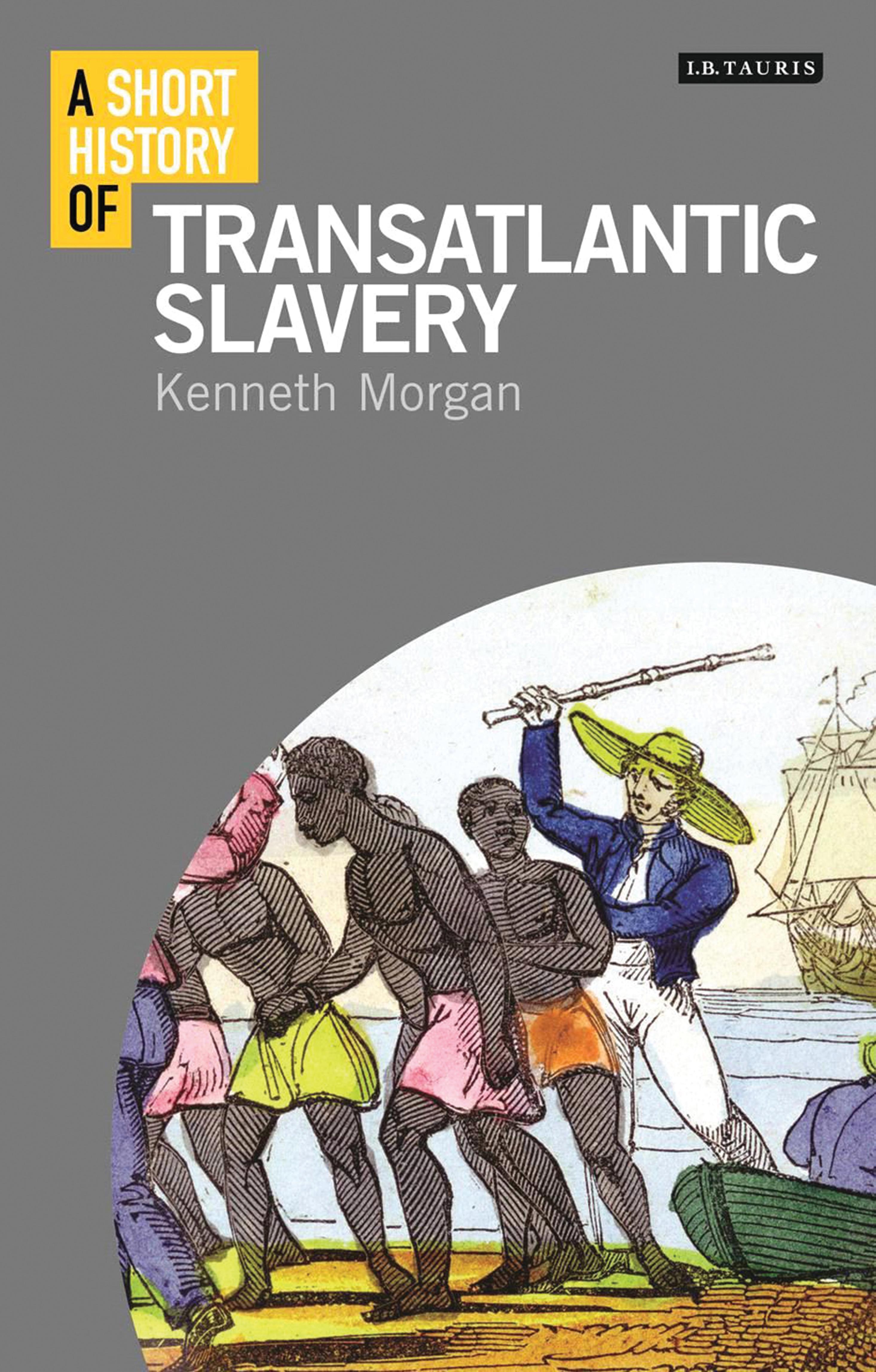
From 1501, when the first slaves arrived in Hispaniola, until the nineteenth century, some twelve million people were abducted from west Africa and shipped across thousands of miles of ocean - the infamous Middle Passage - to work in the colonies of the New World. Perhaps two million Africans died at sea. Why was slavery so widely condoned, during most of this period, by leading lawyers, religious leaders, politicians and philosophers? How was it that the educated classes of the western world were prepared for so long to accept and promote an institution that would later ages be condemned as barbaric? Exploring these and other questions - and the slave experience on the sugar, rice, coffee and cotton plantations - Kenneth Morgan discusses the rise of a distinctively Creole culture; slave revolts, including the successful revolution in Haiti (1791-1804); and the rise of abolitionism, when the ideas of Montesquieu, Wilberforce, Quakers and others led to the slave trade's systemic demise. At a time when the menace of human trafficking is of increasing concern worldwide, this timely book reflects on the deeper motivations of slavery as both ideology and merchant institution.
Betal enkelt med kort, Klarna, Apple Pay eller Google Pay. Ikke fornøyd? Du har alltid 14 dagers angrerett. Les mer i våre vilkår. Har du spørsmål, send oss en e-post på hello@memmo.org.
Memmo gjør det enklere å studere – uansett hvor du er i verden. Hos oss samler du pensumbøker og smarte studieverktøy på ett og samme sted: sammendrag, quizer, podkaster og flashcards. Og så Ted, din studiekompis som svarer på alt du lurer på. Over 50 000 studenter studerer allerede her – bygget for at du skal lære raskere og stresse mindre.