
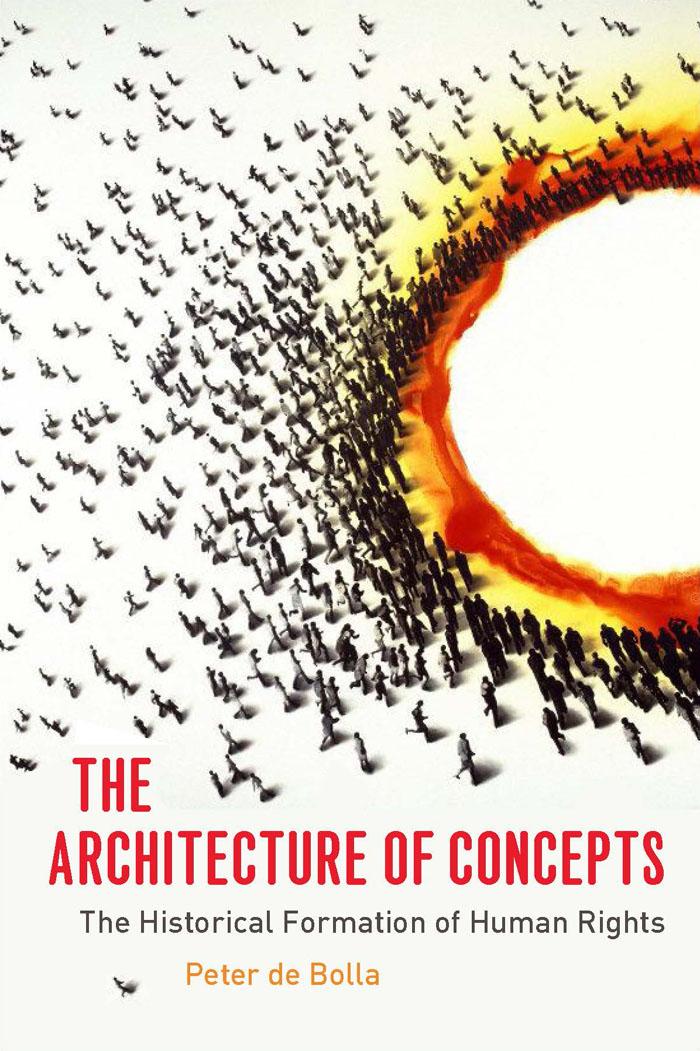
The Architecture of Concepts proposes a radically new way of understanding the history of ideas. Taking as its example human rights, it develops a distinctive kind of conceptual analysis that enables us to see with precision how the concept of human rights was formed in the eighteenth century.
The first chapter outlines an innovative account of concepts as cultural entities. The second develops an original methodology for recovering the historical formation of the concept of human rights based on data extracted from digital archives. This enables us to track the construction of conceptual architectures over time.
Having established the architecture of the concept of human rights, the book then examines two key moments in its historical formation: the First Continental Congress in 1775 and the publication of Tom Paine’s Rights of Man in 1792. Arguing that we have yet to fully understand or appreciate the consequences of the eighteenth-century invention of the concept “rights of man,” the final chapter addresses our problematic contemporary attempts to leverage human rights as the most efficacious way of achieving universal equality.
Betal enkelt med kort, Klarna, Apple Pay eller Google Pay. Ikke fornøyd? Du har alltid 14 dagers angrerett. Les mer i våre vilkår. Har du spørsmål, send oss en e-post på hello@memmo.org.
Memmo gjør det enklere å studere – uansett hvor du er i verden. Hos oss samler du pensumbøker og smarte studieverktøy på ett og samme sted: sammendrag, quizer, podkaster og flashcards. Og så Ted, din studiekompis som svarer på alt du lurer på. Over 50 000 studenter studerer allerede her – bygget for at du skal lære raskere og stresse mindre.