
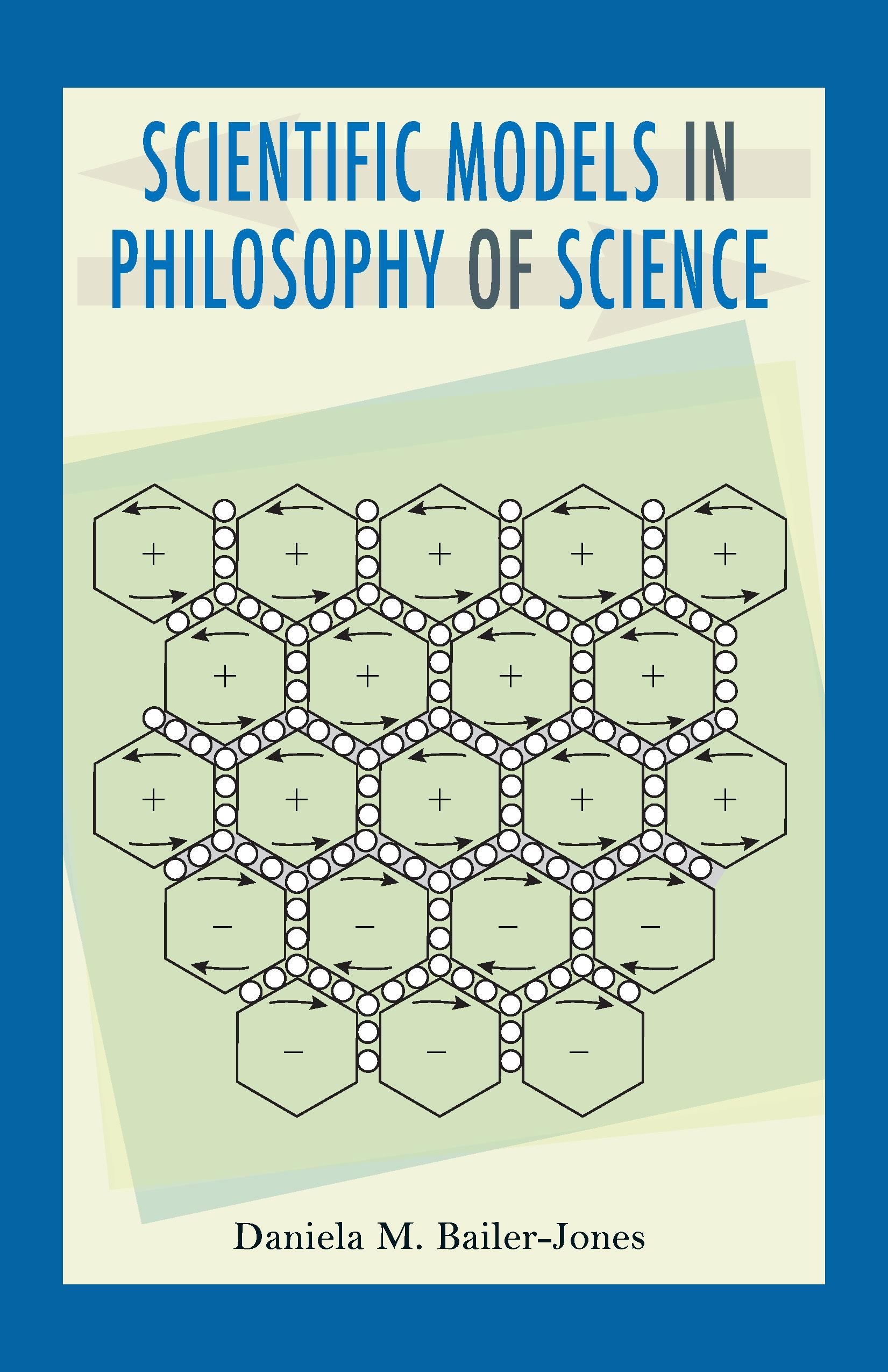
Scientists have used models for hundreds of years as a means of describing phenomena and as a basis for further analogy. In Scientific Models in Philosophy of Science, Daniela Bailer-Jones assembles an original and comprehensive philosophical analysis of how models have been used and interpreted in both historical and contemporary contexts.
Bailer-Jones delineates the many forms models can take (ranging from equations to animals; from physical objects to theoretical constructs), and how they are put to use. She examines early mechanical models employed by nineteenth-century physicists such as Kelvin and Maxwell, describes their roots in the mathematical principles of Newton and others, and compares them to contemporary mechanistic approaches. Bailer-Jones then views the use of analogy in the late nineteenth century as a means of understanding models and to link different branches of science. She reveals how analogies can also be models themselves, or can help to create them.
The first half of the twentieth century saw little mention of models in the literature of logical empiricism. Focusing primarily on theory, logical empiricists believed that models were of temporary importance, flawed, and awaiting correction. The later contesting of logical empiricism, particularly the hypothetico-deductive account of theories, by philosophers such as Mary Hesse, sparked a renewed interest in the importance of models during the 1950s that continues to this day.
Bailer-Jones analyzes subsequent propositions of: models as metaphors; Kuhn's concept of a paradigm; the Semantic View of theories; and the case study approaches of Cartwright and Morrison, among others. She then engages current debates on topics such as phenomena versus data, the distinctions between models and theories, the concepts of representation and realism, and the discerning of falsities in models.
Bailer-Jones delineates the many forms models can take (ranging from equations to animals; from physical objects to theoretical constructs), and how they are put to use. She examines early mechanical models employed by nineteenth-century physicists such as Kelvin and Maxwell, describes their roots in the mathematical principles of Newton and others, and compares them to contemporary mechanistic approaches. Bailer-Jones then views the use of analogy in the late nineteenth century as a means of understanding models and to link different branches of science. She reveals how analogies can also be models themselves, or can help to create them.
The first half of the twentieth century saw little mention of models in the literature of logical empiricism. Focusing primarily on theory, logical empiricists believed that models were of temporary importance, flawed, and awaiting correction. The later contesting of logical empiricism, particularly the hypothetico-deductive account of theories, by philosophers such as Mary Hesse, sparked a renewed interest in the importance of models during the 1950s that continues to this day.
Bailer-Jones analyzes subsequent propositions of: models as metaphors; Kuhn's concept of a paradigm; the Semantic View of theories; and the case study approaches of Cartwright and Morrison, among others. She then engages current debates on topics such as phenomena versus data, the distinctions between models and theories, the concepts of representation and realism, and the discerning of falsities in models.
Kategori: Vetenskapsteori och forskningsmetod
e-ISBN: 9780822971238
Betal enkelt med kort, Klarna, Apple Pay eller Google Pay. Ikke fornøyd? Du har alltid 14 dagers angrerett. Les mer i våre vilkår. Har du spørsmål, send oss en e-post på hello@memmo.org.
Memmo gjør det enklere å studere – uansett hvor du er i verden. Hos oss samler du pensumbøker og smarte studieverktøy på ett og samme sted: sammendrag, quizer, podkaster og flashcards. Og så Ted, din studiekompis som svarer på alt du lurer på. Over 50 000 studenter studerer allerede her – bygget for at du skal lære raskere og stresse mindre.
Du vil kanskje også like
Kjøp boken0