
Exploring a new agenda to improve outcomes for American workers
As the United States continues to struggle with the impact of the devastating COVID-19 recession, policymakers have an opportunity to redress the competition problems in our labor markets. Making the right policy choices, however, requires a deep understanding of long-term, multidimensional problems. That will be solved only by looking to the failures and unrealized opportunities in anti-trust and labor law.
For decades, competition in the U.S. labor market has declined, with the result that American workers have experienced slow wage growth and diminishing job quality. While sluggish productivity growth, rising globalization, and declining union representation are traditionally cited as factors for this historic imbalance in economic power, weak competition in the labor market is increasingly being recognized as a factor as well.
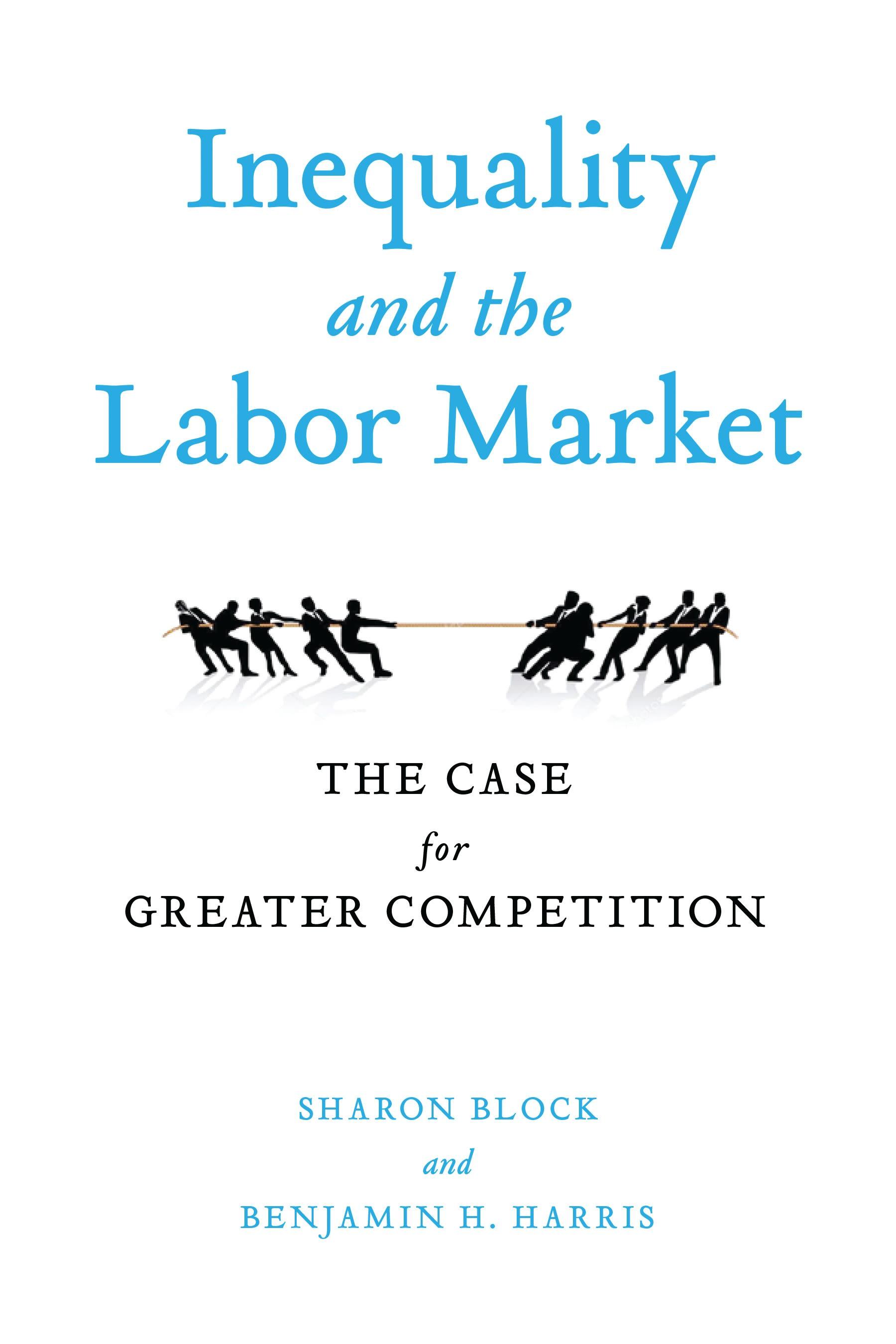
This book by noted experts frames the legal and economic consequences of this imbalance and presents a series of urgently needed reforms of both labor and anti-trust laws to improve outcomes for American workers. These include higher wages, safer workplaces, increased ability to report labor violations, greater mobility, more opportunities for workers to build power, and overall better labor protections.
Inequality and the Labor Market will interest anyone who cares about building a progressive economic agenda or who has a marked interest in labor policy. It also will appeal to anyone hoping to influence or anticipate the much-needed progressive agenda for the United States. The book's unusual scope provides prescriptions that, as Nobel Laureate Joseph Stiglitz notes in the introduction, map a path for rebalancing power, not just in our economy but in our democracy.
As the United States continues to struggle with the impact of the devastating COVID-19 recession, policymakers have an opportunity to redress the competition problems in our labor markets. Making the right policy choices, however, requires a deep understanding of long-term, multidimensional problems. That will be solved only by looking to the failures and unrealized opportunities in anti-trust and labor law.
For decades, competition in the U.S. labor market has declined, with the result that American workers have experienced slow wage growth and diminishing job quality. While sluggish productivity growth, rising globalization, and declining union representation are traditionally cited as factors for this historic imbalance in economic power, weak competition in the labor market is increasingly being recognized as a factor as well.
This book by noted experts frames the legal and economic consequences of this imbalance and presents a series of urgently needed reforms of both labor and anti-trust laws to improve outcomes for American workers. These include higher wages, safer workplaces, increased ability to report labor violations, greater mobility, more opportunities for workers to build power, and overall better labor protections.
Inequality and the Labor Market will interest anyone who cares about building a progressive economic agenda or who has a marked interest in labor policy. It also will appeal to anyone hoping to influence or anticipate the much-needed progressive agenda for the United States. The book's unusual scope provides prescriptions that, as Nobel Laureate Joseph Stiglitz notes in the introduction, map a path for rebalancing power, not just in our economy but in our democracy.
Betal enkelt med kort, Klarna, Apple Pay eller Google Pay. Ikke fornøyd? Du har alltid 14 dagers angrerett. Les mer i våre vilkår. Har du spørsmål, send oss en e-post på hello@memmo.org.
Memmo gjør det enklere å studere – uansett hvor du er i verden. Hos oss samler du pensumbøker og smarte studieverktøy på ett og samme sted: sammendrag, quizer, podkaster og flashcards. Og så Ted, din studiekompis som svarer på alt du lurer på. Over 50 000 studenter studerer allerede her – bygget for at du skal lære raskere og stresse mindre.