
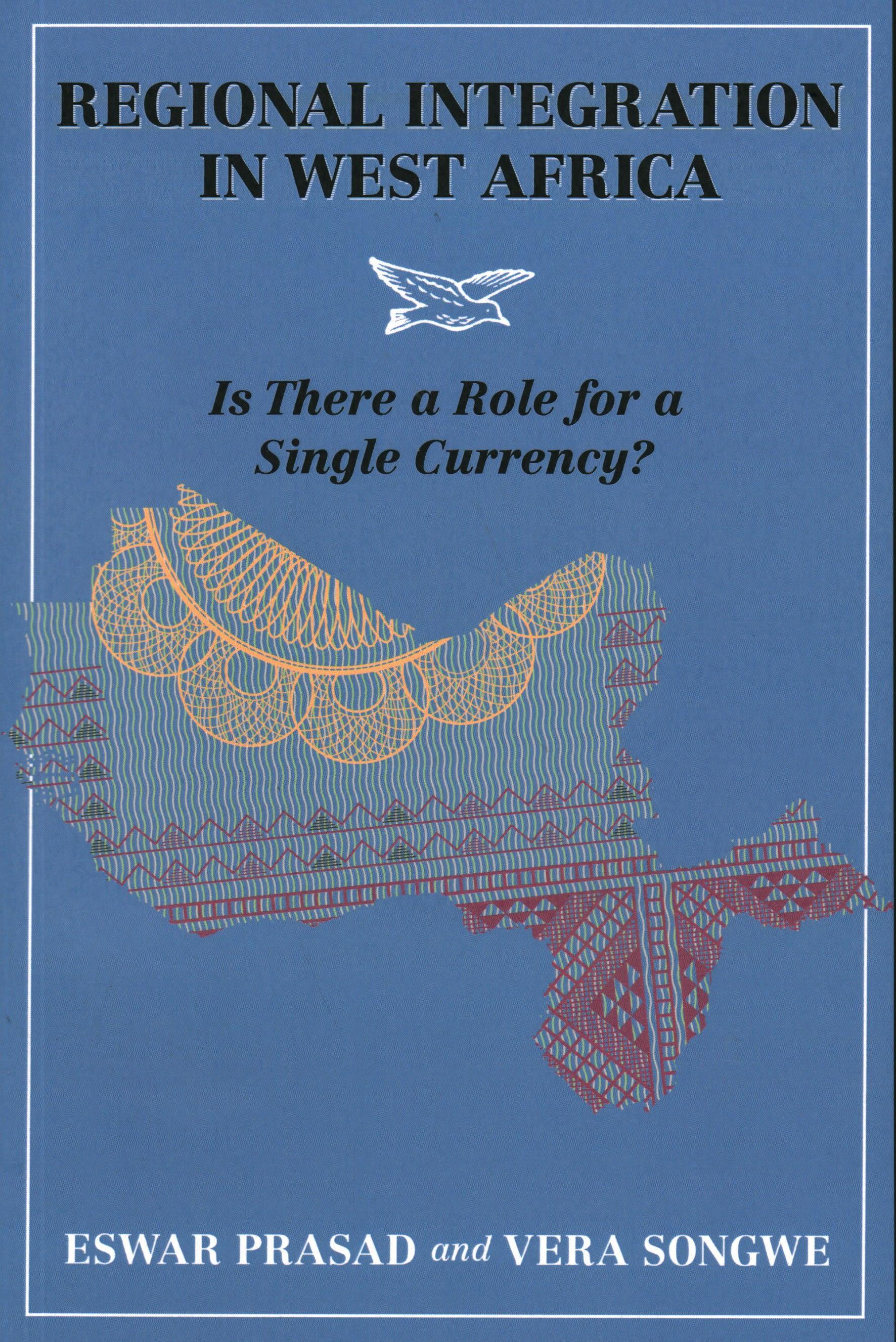
Assessing the potential benefits and risks of a currency union
Leaders of the fifteen-member Economic Community of West African States (ECOWAS) have set a goal of achieving a monetary and currency union by late 2020. Although some progress has been made toward achieving this ambitious goal, major challenges remain if the region is to realize the necessary macroeconomic convergence and establish the required institutional framework in a relatively short period of time.
The proposed union offers many potential benefits, especially for countries with historically high inflation rates and weak central banks. But, as implementation of the euro over the past two decades has shown, folding multiple currencies, representing disparate economies, into a common union comes with significant costs, along with operational challenges and transitional risks. All these potential negatives must be considered carefully by ECOWAS leaders seeking to meet a self-imposed deadline.
This book, by two leading experts on economics and Africa, makes a significant analytical contribution to the debates now under way about how ECOWAS could achieve and manage its currency union, and the ramifications for the African continent.
Leaders of the fifteen-member Economic Community of West African States (ECOWAS) have set a goal of achieving a monetary and currency union by late 2020. Although some progress has been made toward achieving this ambitious goal, major challenges remain if the region is to realize the necessary macroeconomic convergence and establish the required institutional framework in a relatively short period of time.
The proposed union offers many potential benefits, especially for countries with historically high inflation rates and weak central banks. But, as implementation of the euro over the past two decades has shown, folding multiple currencies, representing disparate economies, into a common union comes with significant costs, along with operational challenges and transitional risks. All these potential negatives must be considered carefully by ECOWAS leaders seeking to meet a self-imposed deadline.
This book, by two leading experts on economics and Africa, makes a significant analytical contribution to the debates now under way about how ECOWAS could achieve and manage its currency union, and the ramifications for the African continent.
Betal enkelt med kort, Klarna, Apple Pay eller Google Pay. Ikke fornøyd? Du har alltid 14 dagers angrerett. Les mer i våre vilkår. Har du spørsmål, send oss en e-post på hello@memmo.org.
Memmo gjør det enklere å studere – uansett hvor du er i verden. Hos oss samler du pensumbøker og smarte studieverktøy på ett og samme sted: sammendrag, quizer, podkaster og flashcards. Og så Ted, din studiekompis som svarer på alt du lurer på. Over 50 000 studenter studerer allerede her – bygget for at du skal lære raskere og stresse mindre.