
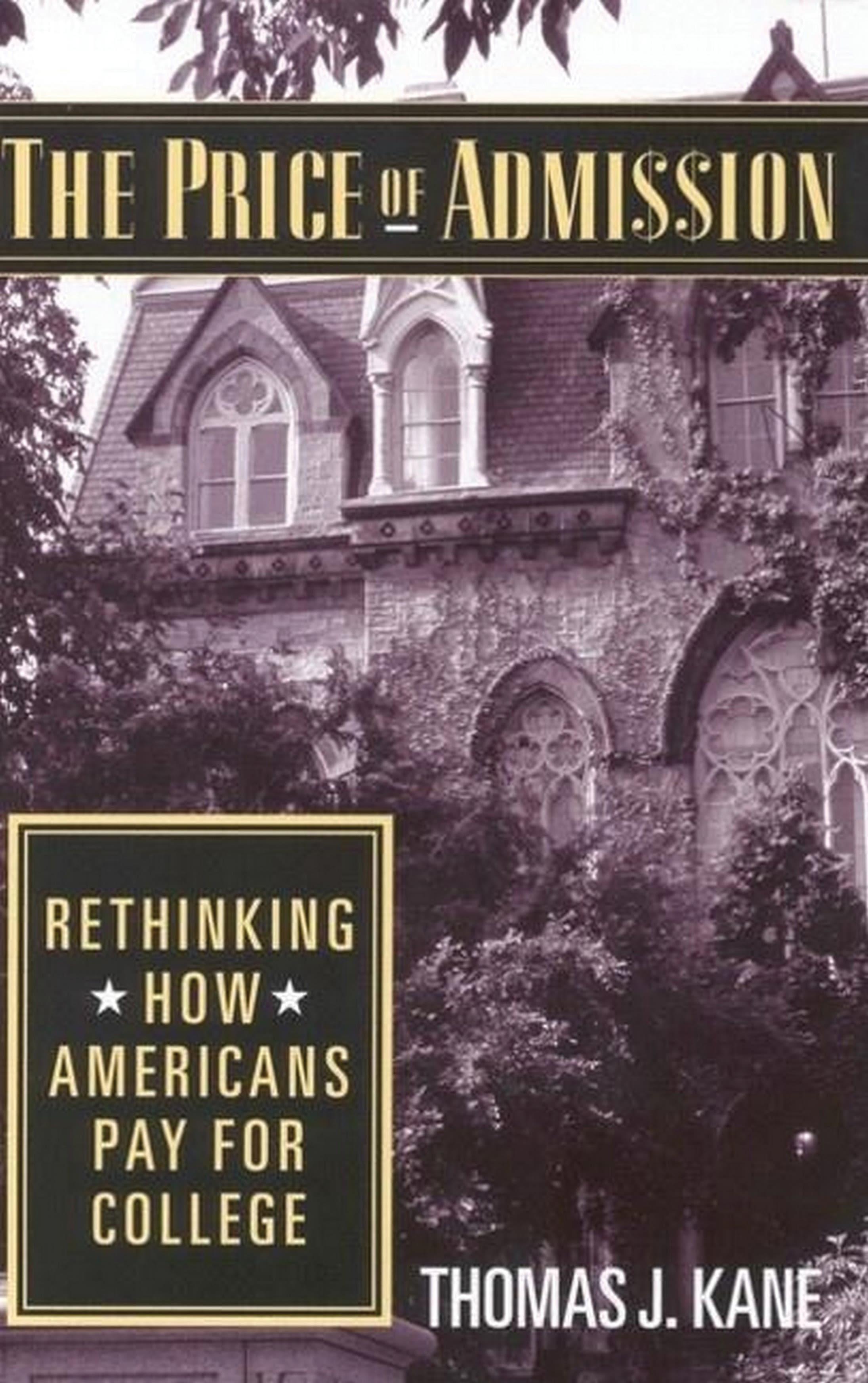
Over the past fifteen years, a college education has become increasingly valuable in the labor market. As a result, the stakes have been raised in the debate over college admissions and student financial aid. With the gap in college enrollment widening by family income, the time has come to examine the strengths and weaknesses of the American system for financing higher education and to rethink its structure from the ground up. This book begins with an overview of the many indirect ways in which Americans pay for college--as taxpayers, students, and parents--and describes the sometimes perverse ways in which state and federal financial aid policies interact. Thomas J. Kane evaluates alternative explanations for the rise in public and private college costs--weighing the role of federal financial aid policy, higher input costs, and competitive pressures on individual colleges. He analyzes how far we have come in ensuring access to all. Evidence suggests that large differences in college enrollment remain between high and low income students, even those with similar test scores and attending the same high schools. Kane promotes a package of reforms intended to squeeze more social bang from the many public bucks devoted to higher education. For example, he advocates ""front-loading"" the Pell grant program, limiting eligibility to those in their first two years of college, and providing a larger share of federal subsidies by assessing student resources after college rather than evaluating a single year of parents income and assets before college. Copublished with the Russell Sage Foundation
Betal enkelt med kort, Klarna, Apple Pay eller Google Pay. Ikke fornøyd? Du har alltid 14 dagers angrerett. Les mer i våre vilkår. Har du spørsmål, send oss en e-post på hello@memmo.org.
Memmo gjør det enklere å studere – uansett hvor du er i verden. Hos oss samler du pensumbøker og smarte studieverktøy på ett og samme sted: sammendrag, quizer, podkaster og flashcards. Og så Ted, din studiekompis som svarer på alt du lurer på. Over 50 000 studenter studerer allerede her – bygget for at du skal lære raskere og stresse mindre.