
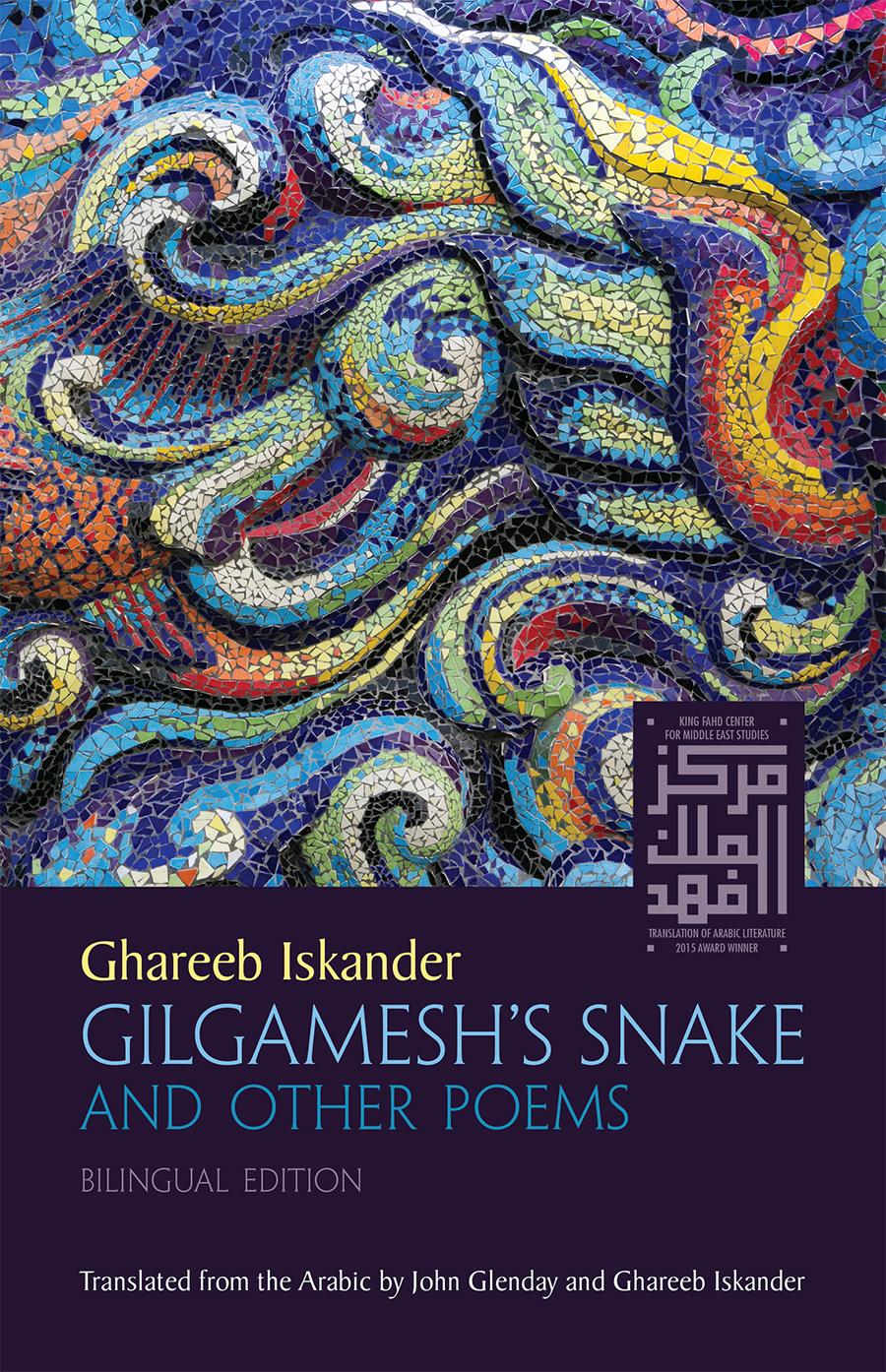
The Epic of Gilgamesh is perhaps the greatest surviving work of early Mesopotamian literature. According to legend, Gilgamesh built the city walls of Uruk, modern-day Iraq, to protect his people from external threats. Although the epic records events from more than four thousand years ago, those events echo many of the social and cultural concerns of Iraq today.
In this luminous bilingual collection of poems, Ghareeb Iskander offers a personal response to the epic. Iskander’s modern-day Gilgamesh is a nameless Iraqi citizen who witnessed the fall of the dictatorship, who exists in a constant state of threat, and who dreams, not about eternity, but simply about life. While Gilgamesh was searching for the elixir of life, Iskander’s hero is searching for consolation.
Betal enkelt med kort, Klarna, Apple Pay eller Google Pay. Ikke fornøyd? Du har alltid 14 dagers angrerett. Les mer i våre vilkår. Har du spørsmål, send oss en e-post på hello@memmo.org.
Memmo gjør det enklere å studere – uansett hvor du er i verden. Hos oss samler du pensumbøker og smarte studieverktøy på ett og samme sted: sammendrag, quizer, podkaster og flashcards. Og så Ted, din studiekompis som svarer på alt du lurer på. Over 50 000 studenter studerer allerede her – bygget for at du skal lære raskere og stresse mindre.