
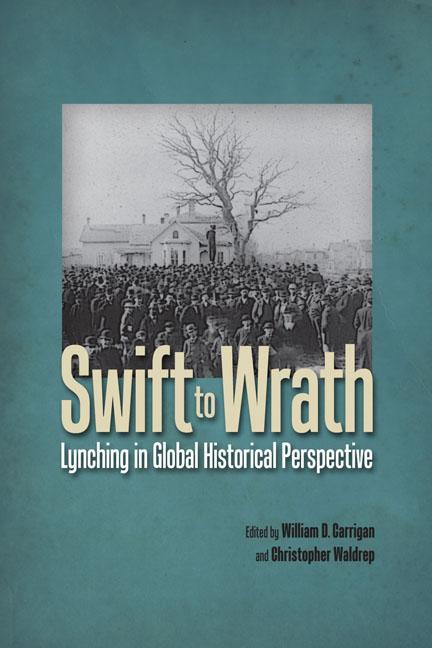
Scholarship on lynching has typically been confined to the extralegal execution of African Americans in the American South. The nine essays collected here look at lynching in the context of world history, encouraging a complete rethinking of the history of collective violence. Employing a diverse range of case studies, the volume’s contributors work to refute the notion that the various acts of group homicide called "lynching" in American history are unique or exceptional.
Some essays consider the practice of lynching in a global context, confounding the popular perception that Americans were alone in their behavior and suggesting a wide range of approaches to studying extralegal collective violence. Others reveal the degree to which the practice of lynching has influenced foreigners’ perceptions of the United States and asking questions such as, Why have people adopted the term lynching—or avoided it? How has the meaning of the word been transformed over time in society? What contextual factors explain such transformations? Ultimately, the essays illuminate, opening windows on ordinary people’s thinking on such critical issues as the role of law in their society and their attitudes toward their own government.
Betal enkelt med kort, Klarna, Apple Pay eller Google Pay. Ikke fornøyd? Du har alltid 14 dagers angrerett. Les mer i våre vilkår. Har du spørsmål, send oss en e-post på hello@memmo.org.
Memmo gjør det enklere å studere – uansett hvor du er i verden. Hos oss samler du pensumbøker og smarte studieverktøy på ett og samme sted: sammendrag, quizer, podkaster og flashcards. Og så Ted, din studiekompis som svarer på alt du lurer på. Over 50 000 studenter studerer allerede her – bygget for at du skal lære raskere og stresse mindre.