
An open access edition of this book was published with the support of the Smithsonian Institution and the University of Florida Department of Anthropology.
New techniques for understanding animal and human interactions in the past
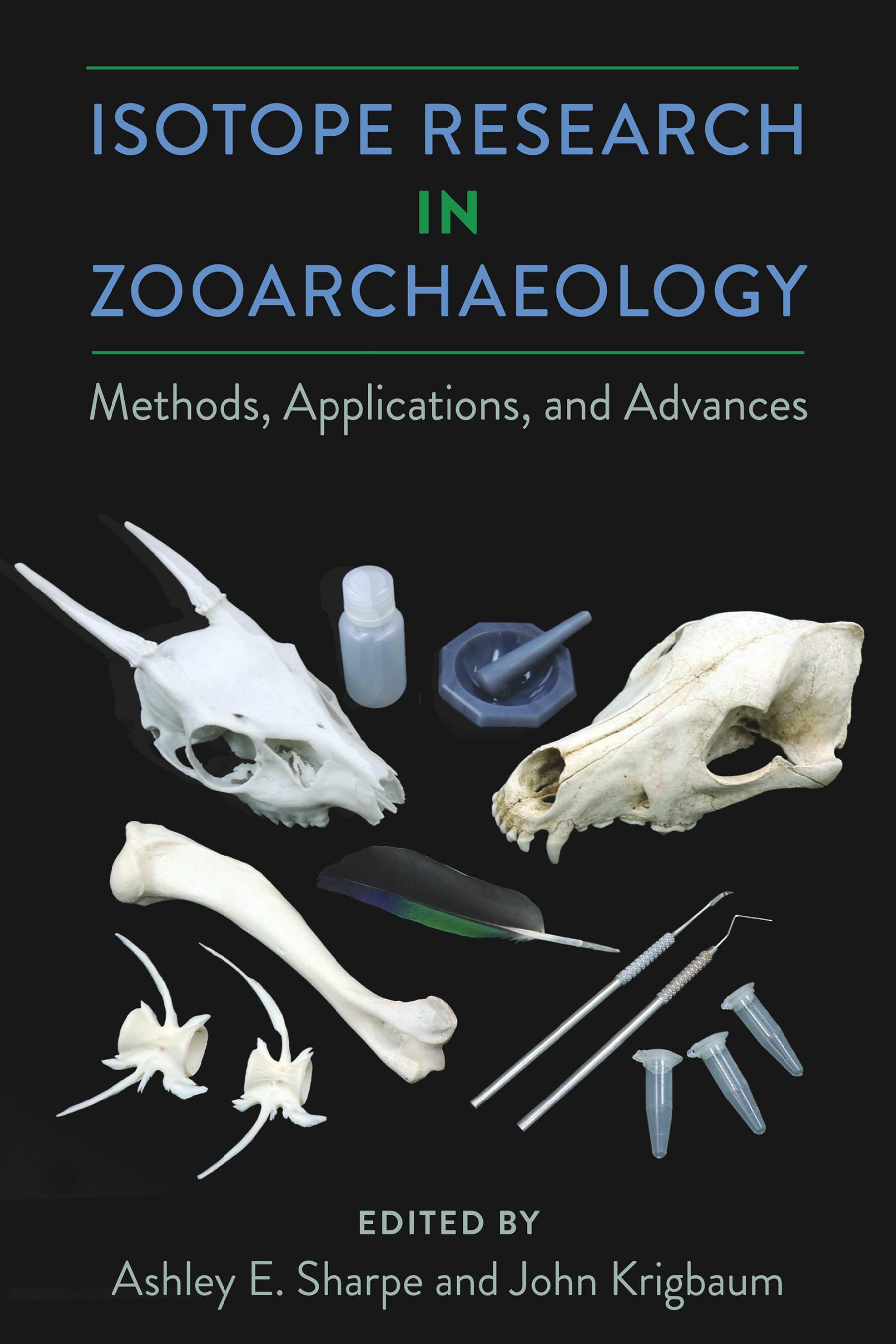
Through case studies of faunal remains from Roman Britain, prehistoric Southeast Asia, ancient African pastoral cultures, and beyond, this volume illustrates some of the ways stable isotope analysis of ancient animals can address key questions in human prehistory.
Contributors use a diverse set of isotopic techniques to investigate social and biological topics, including human paleodiets and foodways, hunting and procurement strategies, exchange patterns, animal husbandry and the genetic consequences of domestication, and short- and long-term environmental change. They demonstrate how different isotopes can be used alone or in conjunction to address questions of animal diet, movement, ecology, and management. Studies also examine how sampling strategies, statistical techniques, and regional and temporal considerations can influence isotopic results and interpretations.
By applying these new methods in concert with traditional zooarchaeological analyses, archaeologists can explore questions about human ecology and environmental archaeology that were previously deemed inaccessible.
Betal enkelt med kort, Klarna, Apple Pay eller Google Pay. Ikke fornøyd? Du har alltid 14 dagers angrerett. Les mer i våre vilkår. Har du spørsmål, send oss en e-post på hello@memmo.org.
Memmo gjør det enklere å studere – uansett hvor du er i verden. Hos oss samler du pensumbøker og smarte studieverktøy på ett og samme sted: sammendrag, quizer, podkaster og flashcards. Og så Ted, din studiekompis som svarer på alt du lurer på. Over 50 000 studenter studerer allerede her – bygget for at du skal lære raskere og stresse mindre.