
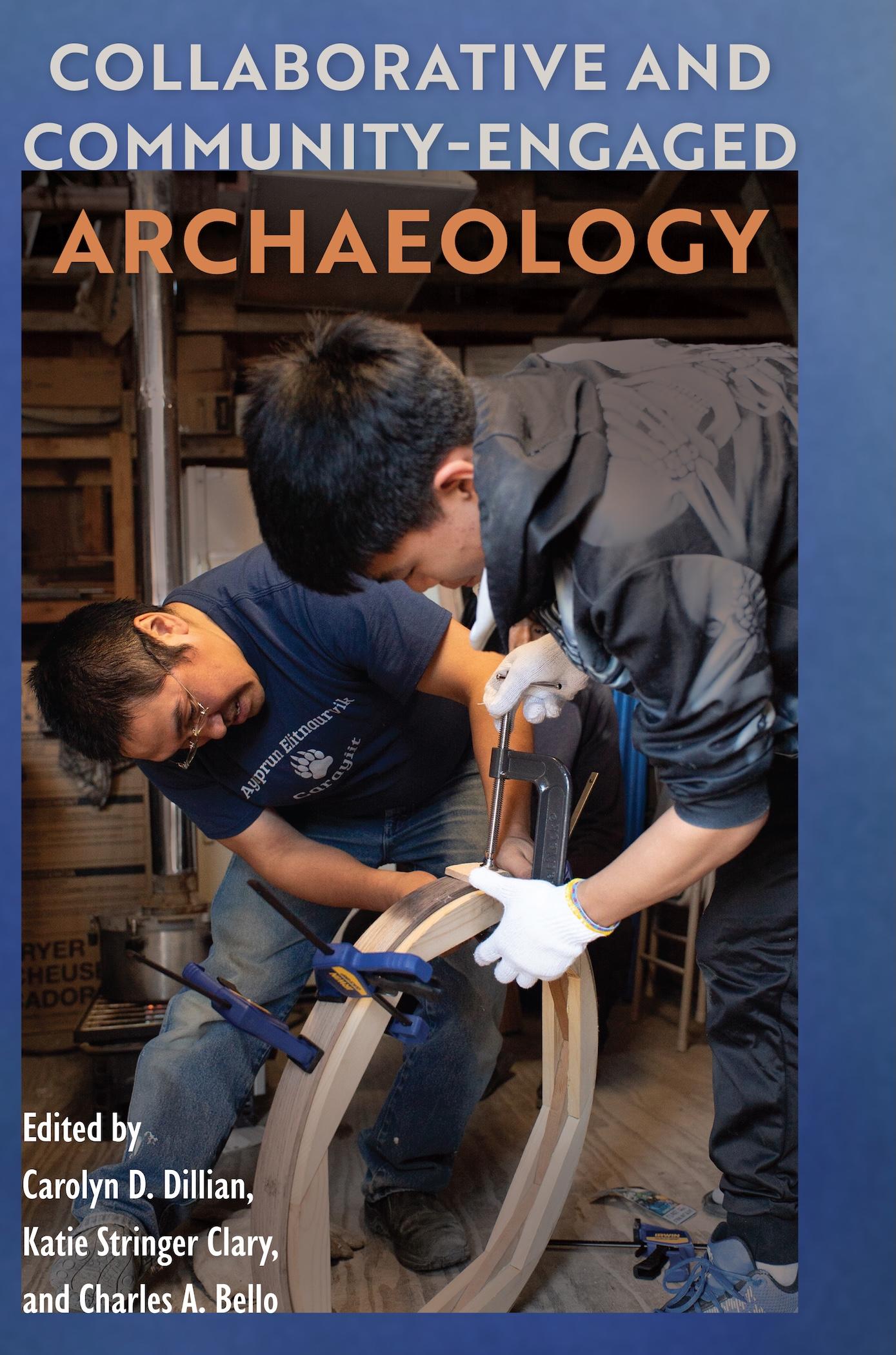
A collection of detailed case studies that emphasize partnerships with local and descendant communities to foster ethical, inclusive research practices
This book highlights approaches to archaeological research that emphasize active involvement of local communities and descendant groups in the design, investigation, interpretation, and management of sites and heritage. It argues for a paradigm shift toward ethical, inclusive, and community-driven archaeology, providing real-world examples that demonstrate the broad applicability and benefits of collaborative work.
The detailed case studies in this book examine successes and challenges in building reciprocal partnerships within academic, public outreach, museum, and compliance contexts. These projects include NAGPRA compliance work with the Miami Tribe of Oklahoma, an archaeological field school in South Carolina that provides educators with resources for teaching African American history, and the preservation of a cemetery uncovered during FEMA efforts in the US Virgin Islands. Throughout the chapters of Collaborative and Community-Engaged Archaeology, contributors advocate for consultation, shared decision-making, respect for knowledge systems, and the integration of diverse perspectives at every stage of archaeological practice.
Betal enkelt med kort, Klarna, Apple Pay eller Google Pay. Ikke fornøyd? Du har alltid 14 dagers angrerett. Les mer i våre vilkår. Har du spørsmål, send oss en e-post på hello@memmo.org.
Memmo gjør det enklere å studere – uansett hvor du er i verden. Hos oss samler du pensumbøker og smarte studieverktøy på ett og samme sted: sammendrag, quizer, podkaster og flashcards. Og så Ted, din studiekompis som svarer på alt du lurer på. Over 50 000 studenter studerer allerede her – bygget for at du skal lære raskere og stresse mindre.