
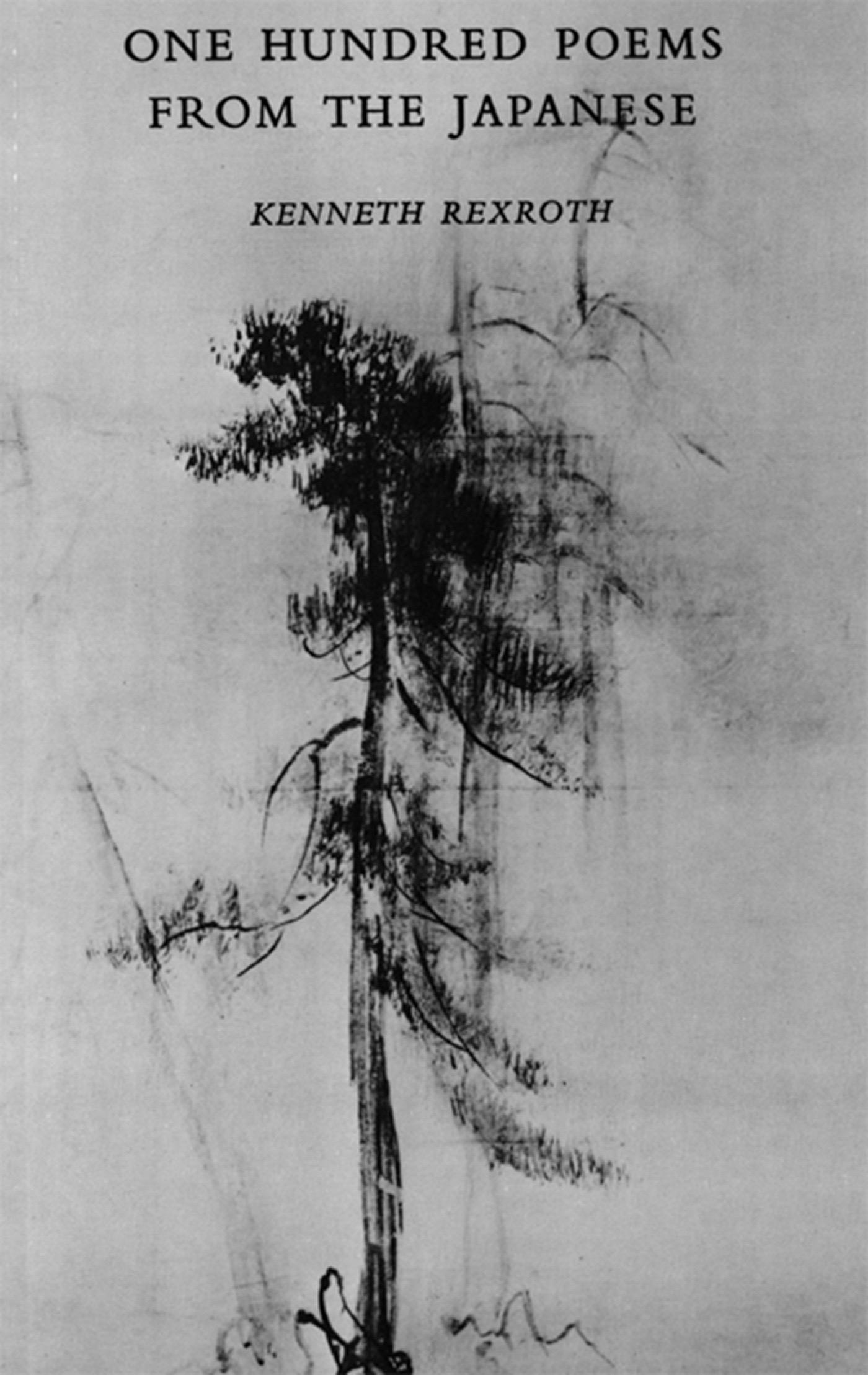
It is remarkable that any Westerner—even so fine a poet as Kenneth Rexroth—could have captured in translation so much of the subtle essence of classic Japanese poetry: the depth of controlled passion, the austere elegance of style, the compressed richness of imagery.
The poems are drawn chiefly from the traditional Manyoshu, Kokinshu and Hyakunin Isshu collections, but there are also examplaes of haiku and other later forms. The sound of the Japanese texts i reproduced in Romaji script and the names of the poets in the calligraphy of Ukai Uchiyama. The translator's introduction gives us basic background on the history and nature of Japanese poetry, which is supplemented by notes on the individual poets and an extensive bibliography.Betal enkelt med kort, Klarna, Apple Pay eller Google Pay. Ikke fornøyd? Du har alltid 14 dagers angrerett. Les mer i våre vilkår. Har du spørsmål, send oss en e-post på hello@memmo.org.
Memmo gjør det enklere å studere – uansett hvor du er i verden. Hos oss samler du pensumbøker og smarte studieverktøy på ett og samme sted: sammendrag, quizer, podkaster og flashcards. Og så Ted, din studiekompis som svarer på alt du lurer på. Over 50 000 studenter studerer allerede her – bygget for at du skal lære raskere og stresse mindre.