
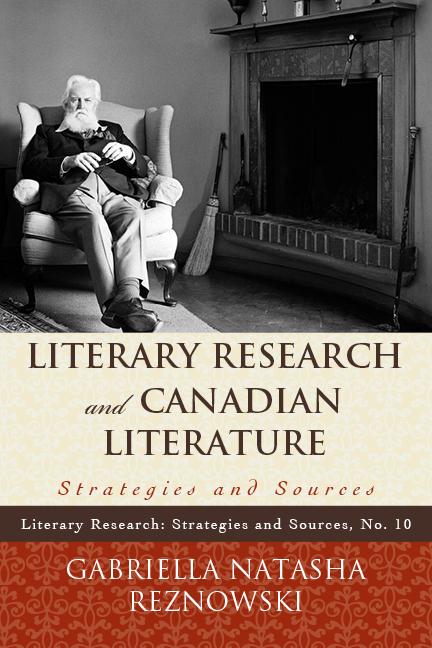
Canada's rich literary heritage, dominated by a multicultural and multilingual presence, reflects the country's unique history and experience. In addition, an emerging body of new writers is redefining both the geographic and metaphorical boundaries of Canadian literature. Coupled with the propagation of digital technologies, Canada's burgeoning publishing industry presents unique challenges for both the introductory and seasoned literary researcher. Literary Research and Canadian Literature: Strategies and Sources provides researchers with the tools to navigate Canada's multifaceted literary scene.
This guide addresses the tools and best practices for selecting and evaluating print and electronic sources related to the extensive and varied literature of Canada. Beginning with an overview of the strategies needed to conduct online research, individual chapters examine general literary reference materials; relevant online library catalogs, including national and union library catalogs; scholarly journals; archival collections; microform and digital collections; periodicals, literary magazines, newspapers, and reviews; and Web and electronic resources. Special topics discussed include "little magazines," scholarly gateways, and cultural resources. The guide culminates in a chapter that illustrates the application of the strategies explored to solve a research problem. The strategies discussed within the guide are applicable to both canonical and lesser-known authors, therefore making this work relevant to anyone interested in researching Canadian literature.
This guide addresses the tools and best practices for selecting and evaluating print and electronic sources related to the extensive and varied literature of Canada. Beginning with an overview of the strategies needed to conduct online research, individual chapters examine general literary reference materials; relevant online library catalogs, including national and union library catalogs; scholarly journals; archival collections; microform and digital collections; periodicals, literary magazines, newspapers, and reviews; and Web and electronic resources. Special topics discussed include "little magazines," scholarly gateways, and cultural resources. The guide culminates in a chapter that illustrates the application of the strategies explored to solve a research problem. The strategies discussed within the guide are applicable to both canonical and lesser-known authors, therefore making this work relevant to anyone interested in researching Canadian literature.
Betal enkelt med kort, Klarna, Apple Pay eller Google Pay. Ikke fornøyd? Du har alltid 14 dagers angrerett. Les mer i våre vilkår. Har du spørsmål, send oss en e-post på hello@memmo.org.
Memmo gjør det enklere å studere – uansett hvor du er i verden. Hos oss samler du pensumbøker og smarte studieverktøy på ett og samme sted: sammendrag, quizer, podkaster og flashcards. Og så Ted, din studiekompis som svarer på alt du lurer på. Over 50 000 studenter studerer allerede her – bygget for at du skal lære raskere og stresse mindre.