
Neoclassicism refers to the revival of classical art and architecture beginning in Europe in the 1750s and lasting until around 1830, with late Neoclassicism lingering through the 1870s. Neoclassicism is a highly complex movement that brought together seemingly disparate issues into a new and culturally rich era, one that was, however, remarkably unified under the banner of classicism. This movement was born in Italy and France and then spread across Europe to Russia and across the ocean to the United States.
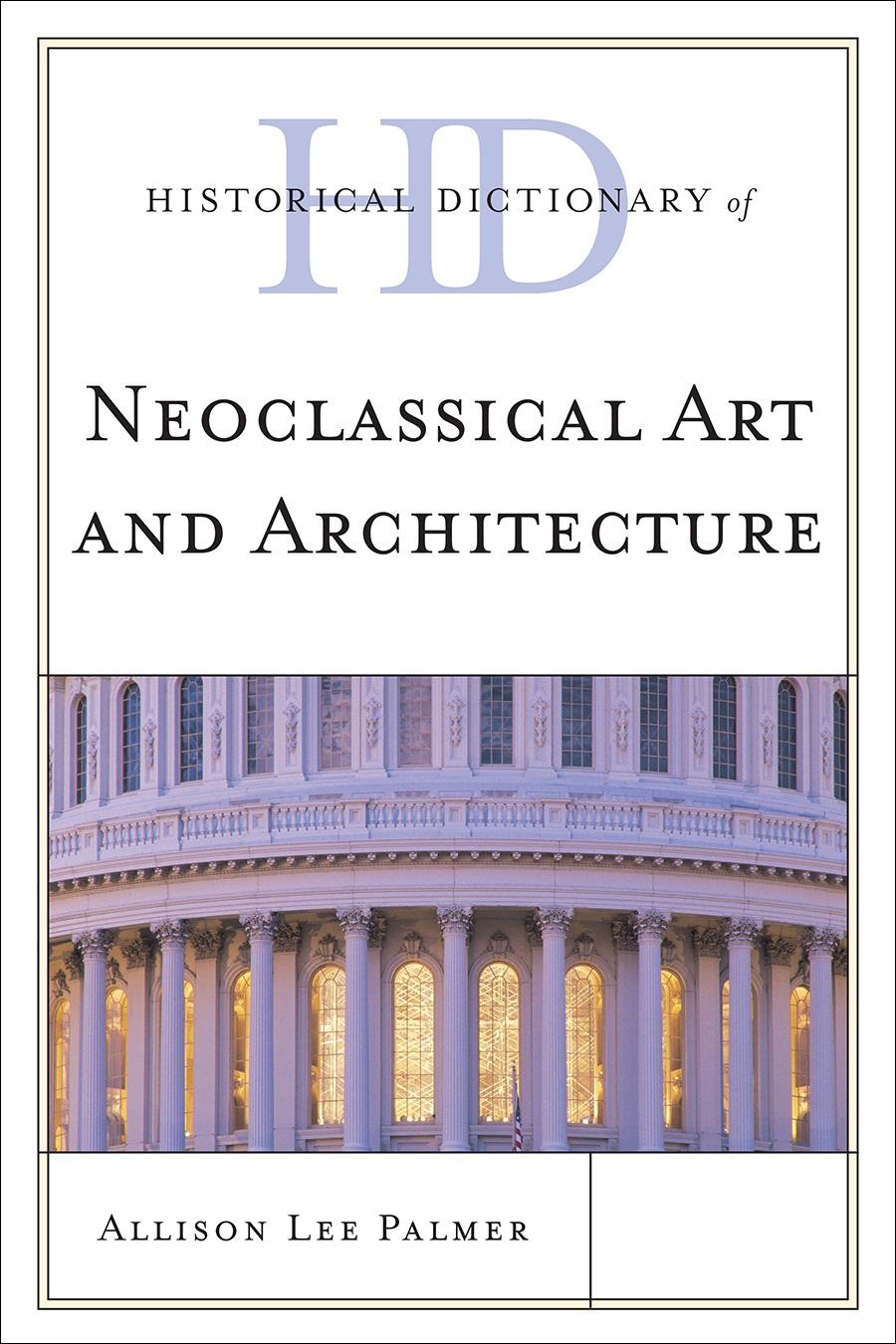
The Historical Dictionary of Neoclassical Art and Architecture provides an overview of Neoclassicism, focusing on its major artists, architects, stylistic subcategories, ideas, and historical framework of the 18th century style found mainly in Europe and the United States. This is done through a chronology, an introductory essay, an extensive bibliography, and over 200 dictionary entries on famous artists, sculptors, architects, patrons, and other historical figures and events.
The Historical Dictionary of Neoclassical Art and Architecture provides an overview of Neoclassicism, focusing on its major artists, architects, stylistic subcategories, ideas, and historical framework of the 18th century style found mainly in Europe and the United States. This is done through a chronology, an introductory essay, an extensive bibliography, and over 200 dictionary entries on famous artists, sculptors, architects, patrons, and other historical figures and events.
Betal enkelt med kort, Klarna, Apple Pay eller Google Pay. Ikke fornøyd? Du har alltid 14 dagers angrerett. Les mer i våre vilkår. Har du spørsmål, send oss en e-post på hello@memmo.org.
Memmo gjør det enklere å studere – uansett hvor du er i verden. Hos oss samler du pensumbøker og smarte studieverktøy på ett og samme sted: sammendrag, quizer, podkaster og flashcards. Og så Ted, din studiekompis som svarer på alt du lurer på. Over 50 000 studenter studerer allerede her – bygget for at du skal lære raskere og stresse mindre.