
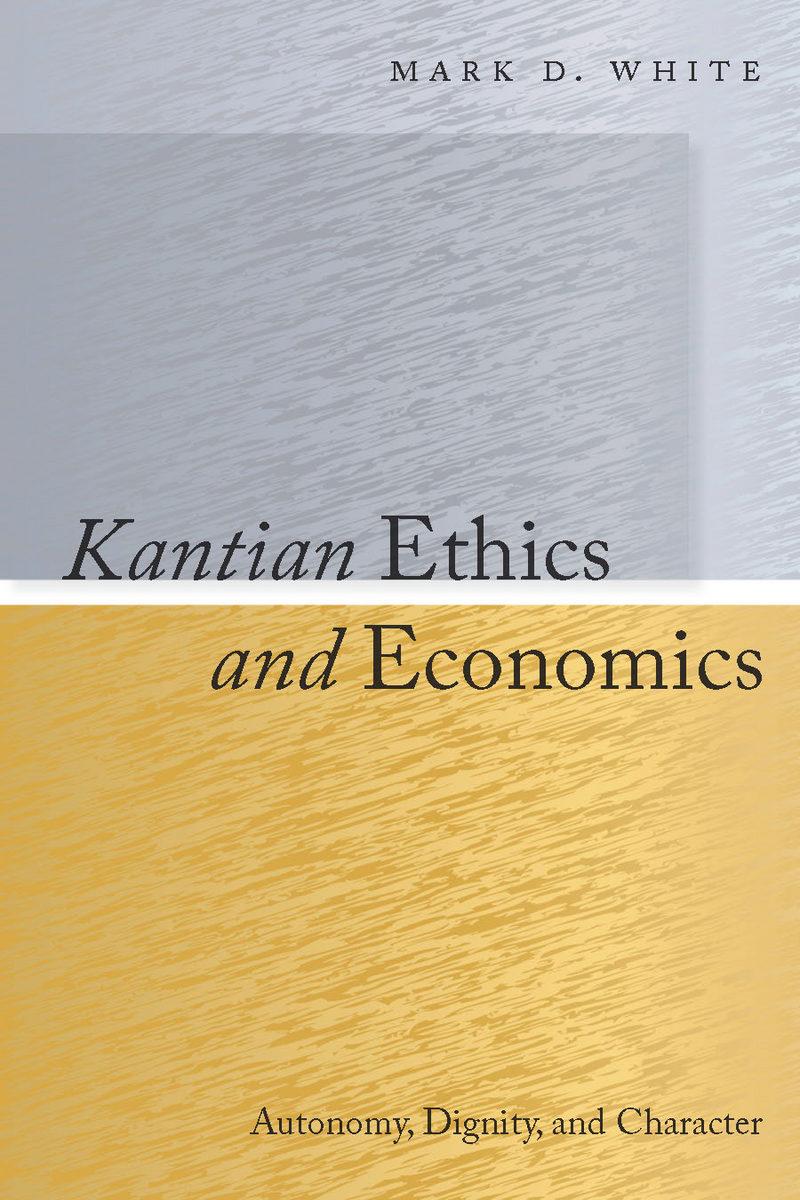
This book introduces the moral philosophy of Immanuel Kant—in particular, the concepts of autonomy, dignity, and character—to economic theory, explaining the importance of integrating these two streams of intellectual thought. Mainstream economics is rooted in classical utilitarianism, recommending that decision makers choose the options that are expected to generate the largest net benefits. For individuals, the standard economic model fails to incorporate the role of principles in decision-making, and also denies the possibility of true choice, which can be independent of preferences and principles altogether. For policymakers, standard decision-making frameworks recommend tradeoffs that are beneficial in terms of material goods or wealth, but may be morally questionable from a more person-centered perspective.
Integrating Kantian ethics affects economics in three important ways. This integration allows for a more complete understanding of human choice, incorporating not just preferences and constraints, but also principles and strength of will or character. It demonstrates the broader impact of welfare economics, which generates policies that affect not only persons' well-being, but also their dignity and autonomy. Finally, it reconciles the traditional, individualist stance in economic models of choice with the social responsibility emphasized by many systems of philosophical ethics and heterodox schools of economics.
Betal enkelt med kort, Klarna, Apple Pay eller Google Pay. Ikke fornøyd? Du har alltid 14 dagers angrerett. Les mer i våre vilkår. Har du spørsmål, send oss en e-post på hello@memmo.org.
Memmo gjør det enklere å studere – uansett hvor du er i verden. Hos oss samler du pensumbøker og smarte studieverktøy på ett og samme sted: sammendrag, quizer, podkaster og flashcards. Og så Ted, din studiekompis som svarer på alt du lurer på. Over 50 000 studenter studerer allerede her – bygget for at du skal lære raskere og stresse mindre.