
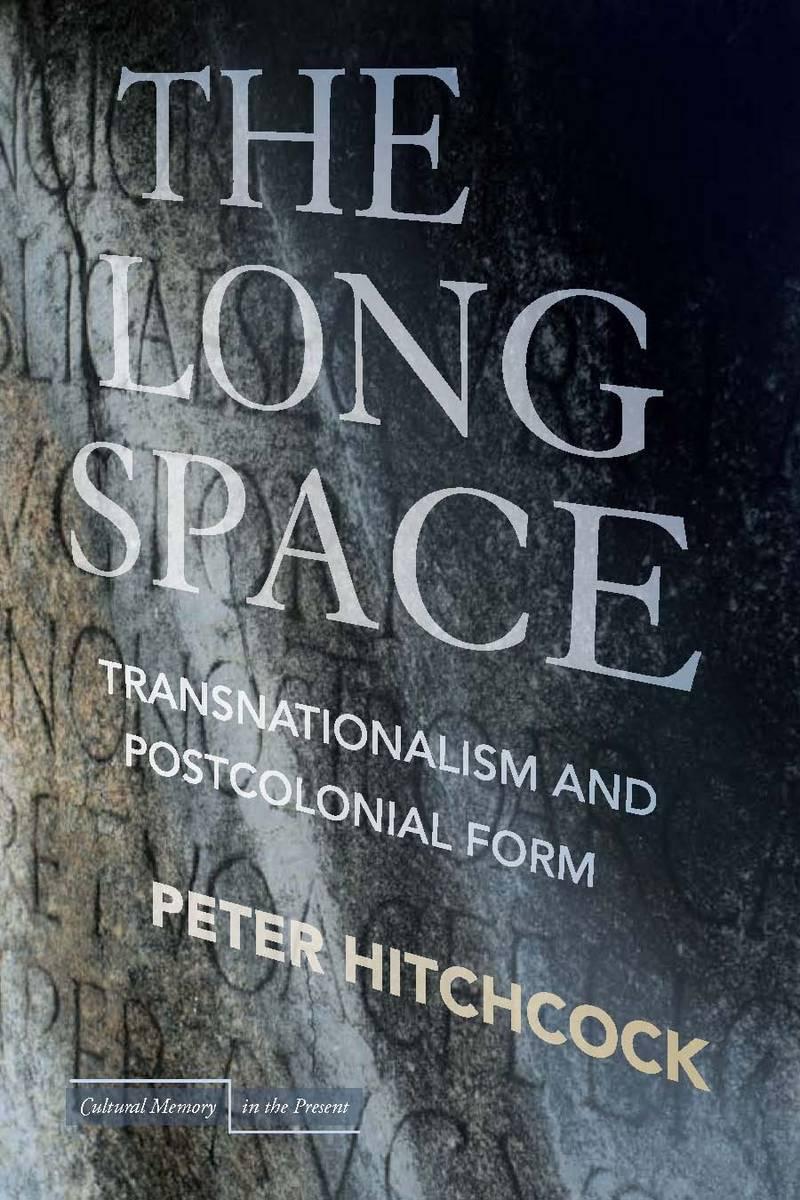
The resurgence of "world literature" as a category of study seems to coincide with what we understand as globalization, but how does postcolonial writing fit into this picture? Beyond the content of this novel or that, what elements of postcolonial fiction might challenge the assumption that its main aim is to circulate native information globally? The Long Space provides a fresh look at the importance of postcolonial writing by examining how it articulates history and place both in content and form. Not only does it offer a new theoretical model for understanding decolonization's impact on duration in writing, but through a series of case studies of Guyanese, Somali, Indonesian, and Algerian writers, it urges a more protracted engagement with time and space in postcolonial narrative. Although each writer—Wilson Harris, Nuruddin Farah, Pramoedya Ananta Toer, and Assia Djebar—explores a unique understanding of postcoloniality, each also makes a more general assertion about the difference of time and space in decolonization. Taken together, they herald a transnationalism beyond the contaminated coordinates of globalization as currently construed.
Betal enkelt med kort, Klarna, Apple Pay eller Google Pay. Ikke fornøyd? Du har alltid 14 dagers angrerett. Les mer i våre vilkår. Har du spørsmål, send oss en e-post på hello@memmo.org.
Memmo gjør det enklere å studere – uansett hvor du er i verden. Hos oss samler du pensumbøker og smarte studieverktøy på ett og samme sted: sammendrag, quizer, podkaster og flashcards. Og så Ted, din studiekompis som svarer på alt du lurer på. Over 50 000 studenter studerer allerede her – bygget for at du skal lære raskere og stresse mindre.