
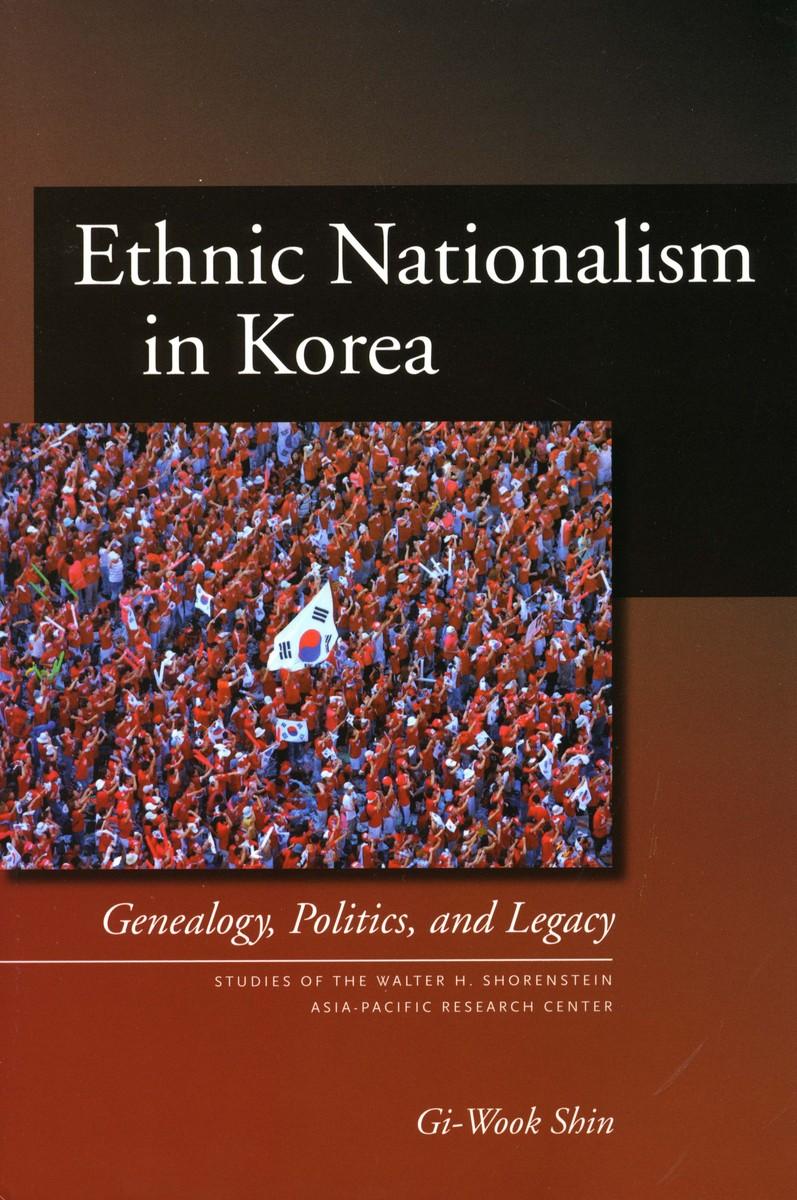
This book explains the roots, politics, and legacy of Korean ethnic nationalism, which is based on the sense of a shared bloodline and ancestry. Belief in a racially distinct and ethnically homogeneous nation is widely shared on both sides of the Korean peninsula, although some scholars believe it is a myth with little historical basis. Finding both positions problematic and treating identity formation as a social and historical construct that has crucial behavioral consequences, this book examines how such a blood-based notion has become a dominant source of Korean identity, overriding other forms of identity in the modern era. It also looks at how the politics of national identity have played out in various contexts in Korea: semicolonialism, civil war, authoritarian politics, democratization, territorial division, and globalization.
Betal enkelt med kort, Klarna, Apple Pay eller Google Pay. Ikke fornøyd? Du har alltid 14 dagers angrerett. Les mer i våre vilkår. Har du spørsmål, send oss en e-post på hello@memmo.org.
Memmo gjør det enklere å studere – uansett hvor du er i verden. Hos oss samler du pensumbøker og smarte studieverktøy på ett og samme sted: sammendrag, quizer, podkaster og flashcards. Og så Ted, din studiekompis som svarer på alt du lurer på. Over 50 000 studenter studerer allerede her – bygget for at du skal lære raskere og stresse mindre.