
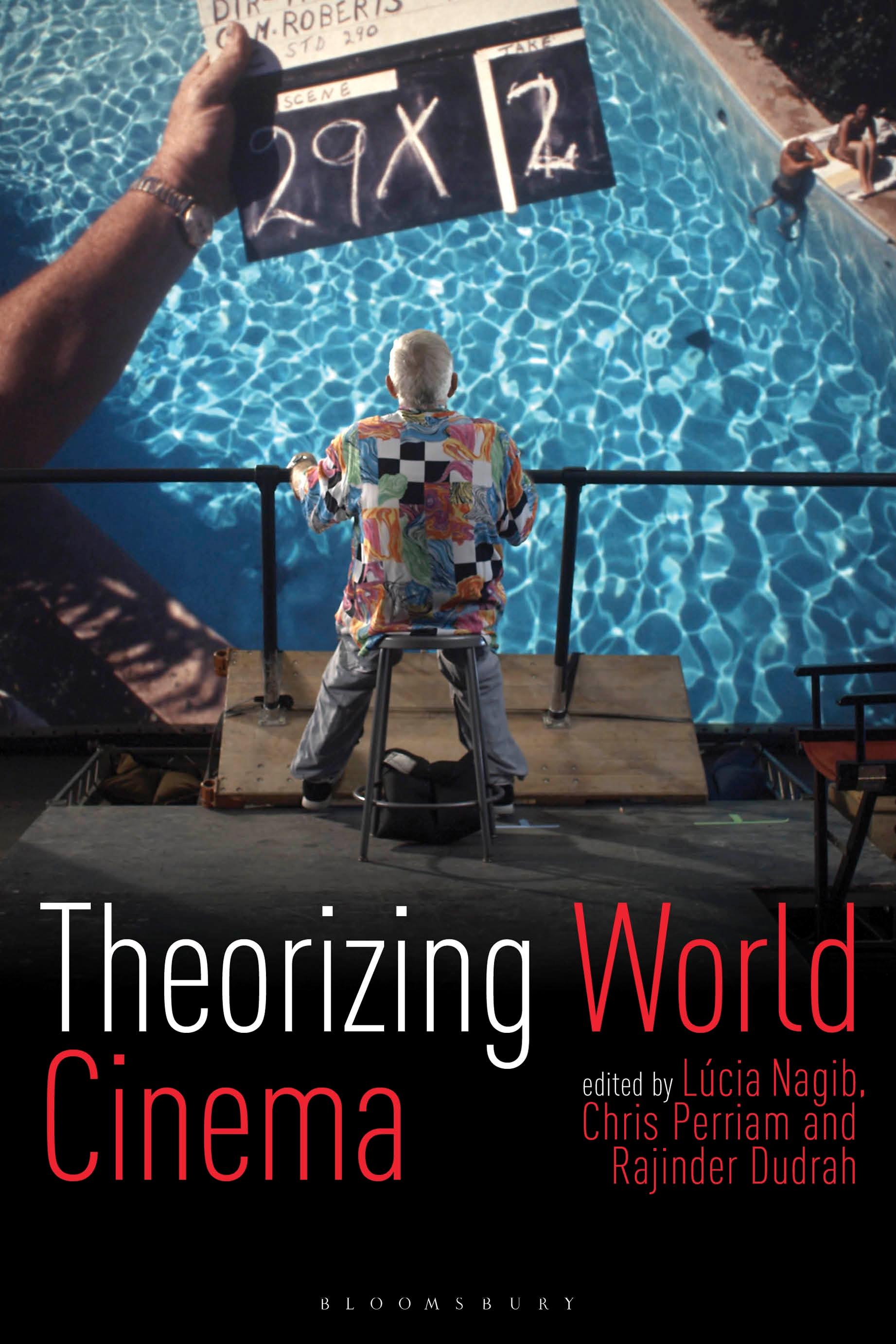
This innovative book is about the place of world cinema in the cultural imaginary. It also repositions world cinema in a wider discursive space than is usually the case and treats it as an object of theoretical enquiry, rather than as a commercial label. The editors and distinguished group of contributors offer a range of approaches and case studies whose organizing principle is the developing idea of polycentrism as applied to cinema. They refine and redefine key concepts in film studies, including identification and identity, narrative and realism, allegory and the national project, auteurism and the popular, art and genre. They re-evaluate how cinema shapes and responds to the philosophical, cultural and political effects of transnationalism and cosmopolitanism in the age of the moving image, and explore the interconnectedness of films produced worldwide, as well as the links between cinema and other visual cultural forms. The contributors include: John Caughie, Felicia Chan, Tiago de Luca, Rajinder Dudrah, Song Hwee Lim, Laura Mulvey, Lucia Nagib, Geoffrey Nowell-Smith, Chris Perriam, Ashish Rajadhyaksha, Paul Julian Smith, and Ismail Xavier.
Betal enkelt med kort, Klarna, Apple Pay eller Google Pay. Ikke fornøyd? Du har alltid 14 dagers angrerett. Les mer i våre vilkår. Har du spørsmål, send oss en e-post på hello@memmo.org.
Memmo gjør det enklere å studere – uansett hvor du er i verden. Hos oss samler du pensumbøker og smarte studieverktøy på ett og samme sted: sammendrag, quizer, podkaster og flashcards. Og så Ted, din studiekompis som svarer på alt du lurer på. Over 50 000 studenter studerer allerede her – bygget for at du skal lære raskere og stresse mindre.