
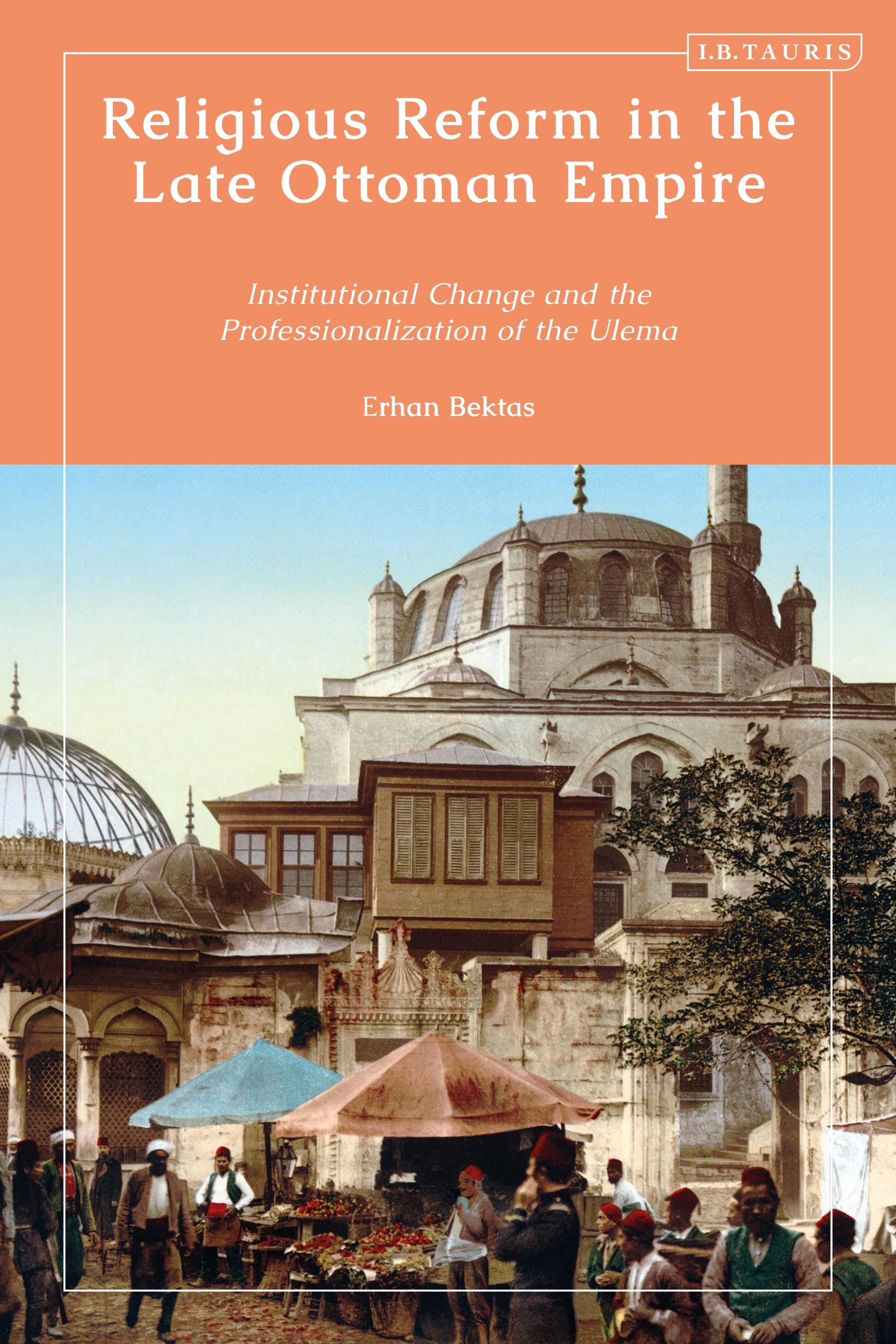
The influence of the ulema, the official Sunni Muslim religious scholars of the Ottoman Empire, is commonly understood to have waned in the empire's last century. Drawing upon Ottoman state archives and the institutional archives of the ulema, this study challenges this narrative, showing that the ulema underwent a process of professionalisation as part of the wider Tanzimat reforms and thereby continued to play an important role in Ottoman society. First outlining transformations in the office of the Sheikh ul-islam, the leading Ottoman Sunni Muslim cleric, the book goes on to use the archives to present a detailed portrait of the lives of individual ulema, charting their education and professional and social lives. It also includes a glossary of Turkish-Arabic vocabulary for increased clarity. Contrary to beliefs about their decline, the book shows they played a central role in the empire's efforts to centralise the state by acting as intermediaries between the government and social groups, particularly on the empire's peripheries.
Betal enkelt med kort, Klarna, Apple Pay eller Google Pay. Ikke fornøyd? Du har alltid 14 dagers angrerett. Les mer i våre vilkår. Har du spørsmål, send oss en e-post på hello@memmo.org.
Memmo gjør det enklere å studere – uansett hvor du er i verden. Hos oss samler du pensumbøker og smarte studieverktøy på ett og samme sted: sammendrag, quizer, podkaster og flashcards. Og så Ted, din studiekompis som svarer på alt du lurer på. Over 50 000 studenter studerer allerede her – bygget for at du skal lære raskere og stresse mindre.