
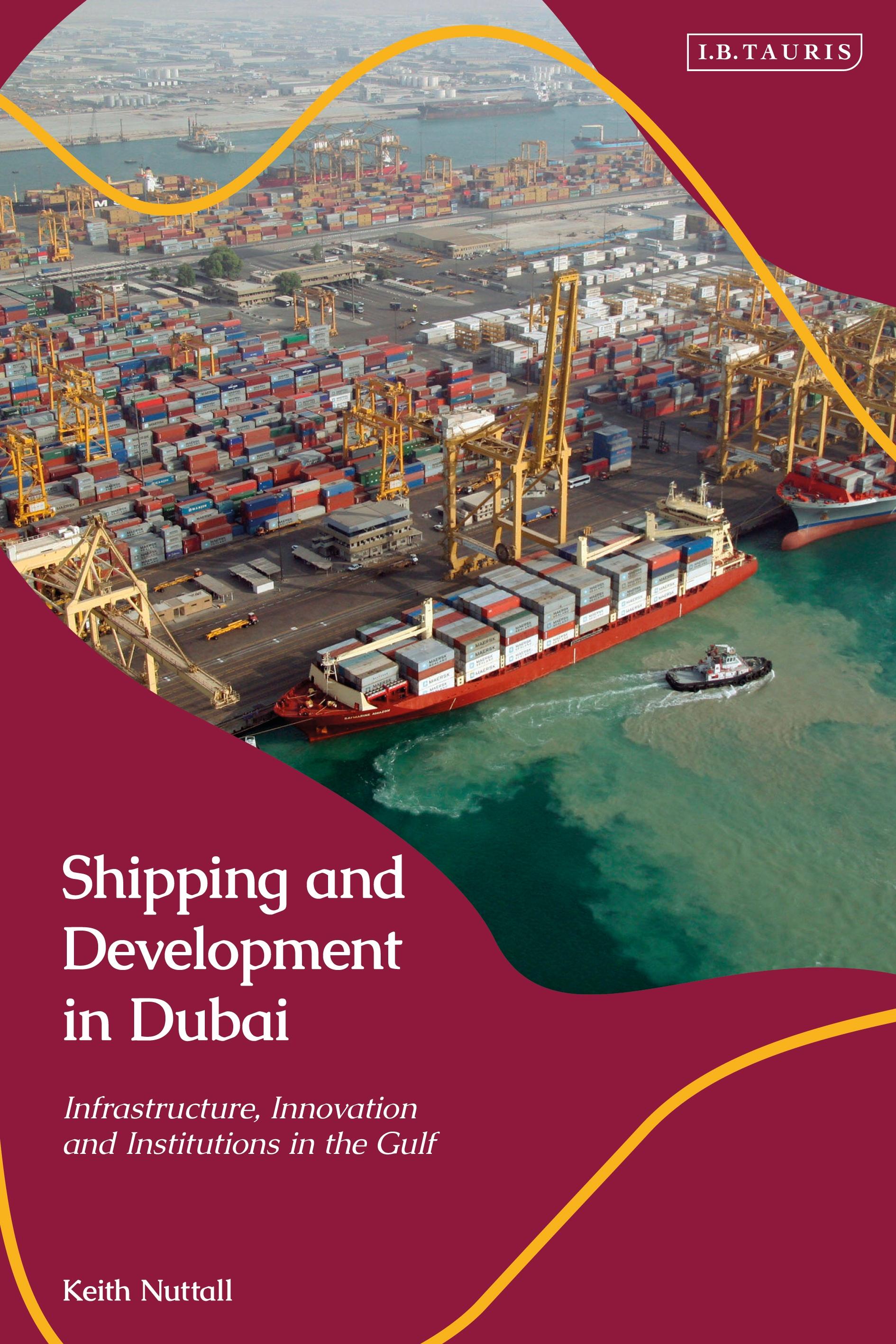
A small town on a sandy creek half a century ago, Dubai is now the largest trading, commercial, leisure and transport entrepot in the Gulf and wider region. This book explains the reasons for the emergence of Dubai and its distinctive development trajectory, arguing that the decision, in the 1970s, to invest in infrastructure made possible by shipping containerization laid the foundations for its future expansion.
The book shows that in contrast to its competitors' hydrocarbon rentier economic model, Dubai's creation and expansion of ports and airports, together with 'value-added' logistics and business-friendly enhancements, were used to out-compete regional rivals. Drawing on a range of primary and secondary sources, including interviews with logistics business-people, government records, memoirs, it fills a significant lacuna in the history of Dubai's development and emergence as a global trade hub.
The book shows that in contrast to its competitors' hydrocarbon rentier economic model, Dubai's creation and expansion of ports and airports, together with 'value-added' logistics and business-friendly enhancements, were used to out-compete regional rivals. Drawing on a range of primary and secondary sources, including interviews with logistics business-people, government records, memoirs, it fills a significant lacuna in the history of Dubai's development and emergence as a global trade hub.
Betal enkelt med kort, Klarna, Apple Pay eller Google Pay. Ikke fornøyd? Du har alltid 14 dagers angrerett. Les mer i våre vilkår. Har du spørsmål, send oss en e-post på hello@memmo.org.
Memmo gjør det enklere å studere – uansett hvor du er i verden. Hos oss samler du pensumbøker og smarte studieverktøy på ett og samme sted: sammendrag, quizer, podkaster og flashcards. Og så Ted, din studiekompis som svarer på alt du lurer på. Over 50 000 studenter studerer allerede her – bygget for at du skal lære raskere og stresse mindre.