
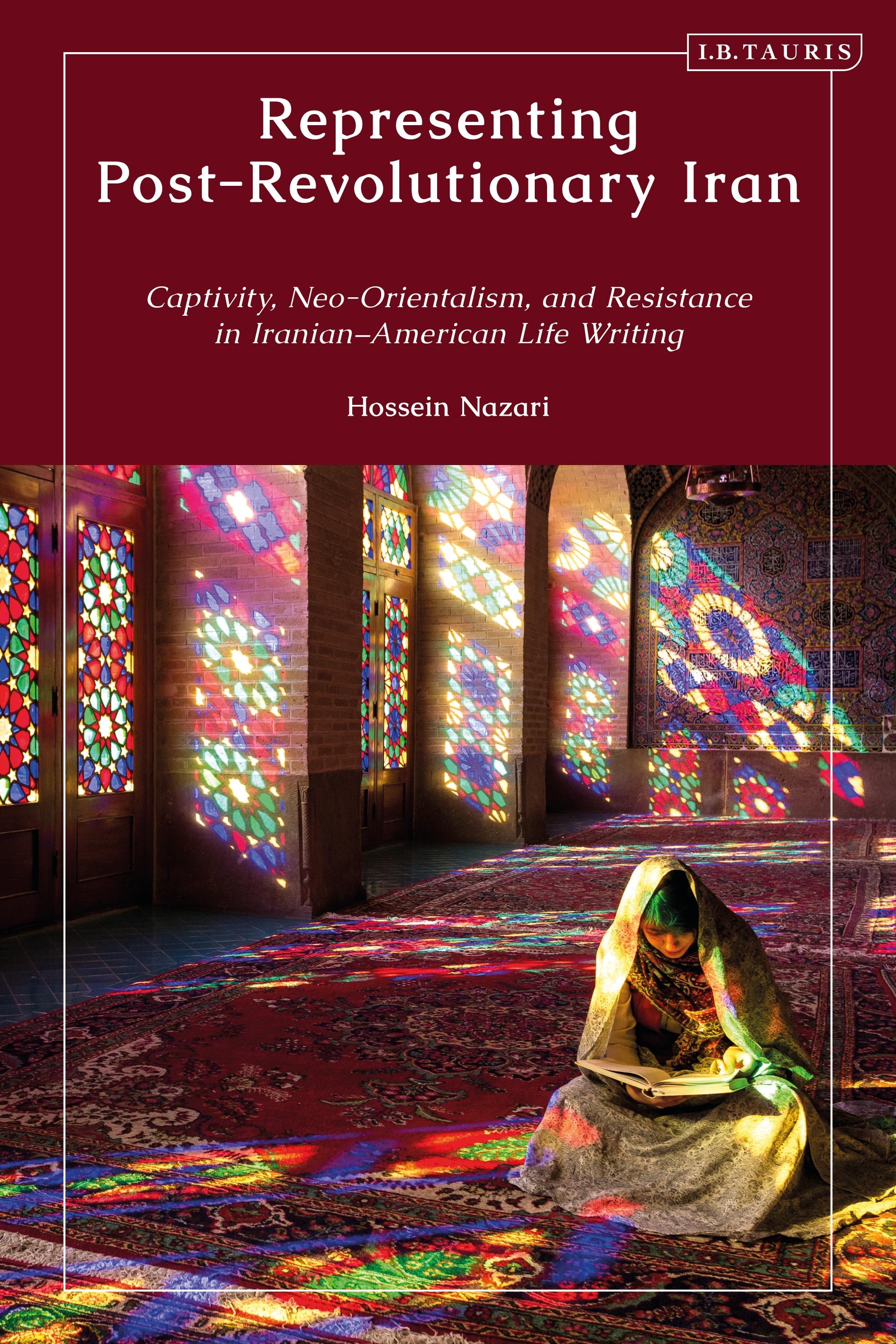
Memoirs of diasporic Iranian-American authors are a unique and culturally powerful way in which Iran, its politics, and people are understood in the USA and the rest of the world. This book offers an analysis of the processes of production, promotion, and reception of the representations of post-revolutionary Iran.
The book provides new perspectives on some of the most famous examples of the genre such as Betty Mahmoody's Not Without My Daughter, Azar Nafisi's Reading Lolita in Tehran: A Memoir in Books, and Fatemeh Keshavarz's Jasmine and Stars: Reading More Than Lolita in Tehran. Hossein Nazari places these texts in their social, historical, and political contexts, tracing their origins within the trope of the American captivity narrative, teasing out and critiquing neo-Orientalist tendencies within, and finally focusing on modes of discursive resistance to neo-Orientalist narratives. The book analyzes the structural means by which stereotypes about Islam and women in the Islamic Republic in these narratives are privileged by news media and the creative industries, while also charting a growing number of 'counterhegemonic' memoirs which challenge these narratives by representing more nuanced accounts of life in Iran after 1979.
The book provides new perspectives on some of the most famous examples of the genre such as Betty Mahmoody's Not Without My Daughter, Azar Nafisi's Reading Lolita in Tehran: A Memoir in Books, and Fatemeh Keshavarz's Jasmine and Stars: Reading More Than Lolita in Tehran. Hossein Nazari places these texts in their social, historical, and political contexts, tracing their origins within the trope of the American captivity narrative, teasing out and critiquing neo-Orientalist tendencies within, and finally focusing on modes of discursive resistance to neo-Orientalist narratives. The book analyzes the structural means by which stereotypes about Islam and women in the Islamic Republic in these narratives are privileged by news media and the creative industries, while also charting a growing number of 'counterhegemonic' memoirs which challenge these narratives by representing more nuanced accounts of life in Iran after 1979.
Betal enkelt med kort, Klarna, Apple Pay eller Google Pay. Ikke fornøyd? Du har alltid 14 dagers angrerett. Les mer i våre vilkår. Har du spørsmål, send oss en e-post på hello@memmo.org.
Memmo gjør det enklere å studere – uansett hvor du er i verden. Hos oss samler du pensumbøker og smarte studieverktøy på ett og samme sted: sammendrag, quizer, podkaster og flashcards. Og så Ted, din studiekompis som svarer på alt du lurer på. Over 50 000 studenter studerer allerede her – bygget for at du skal lære raskere og stresse mindre.