
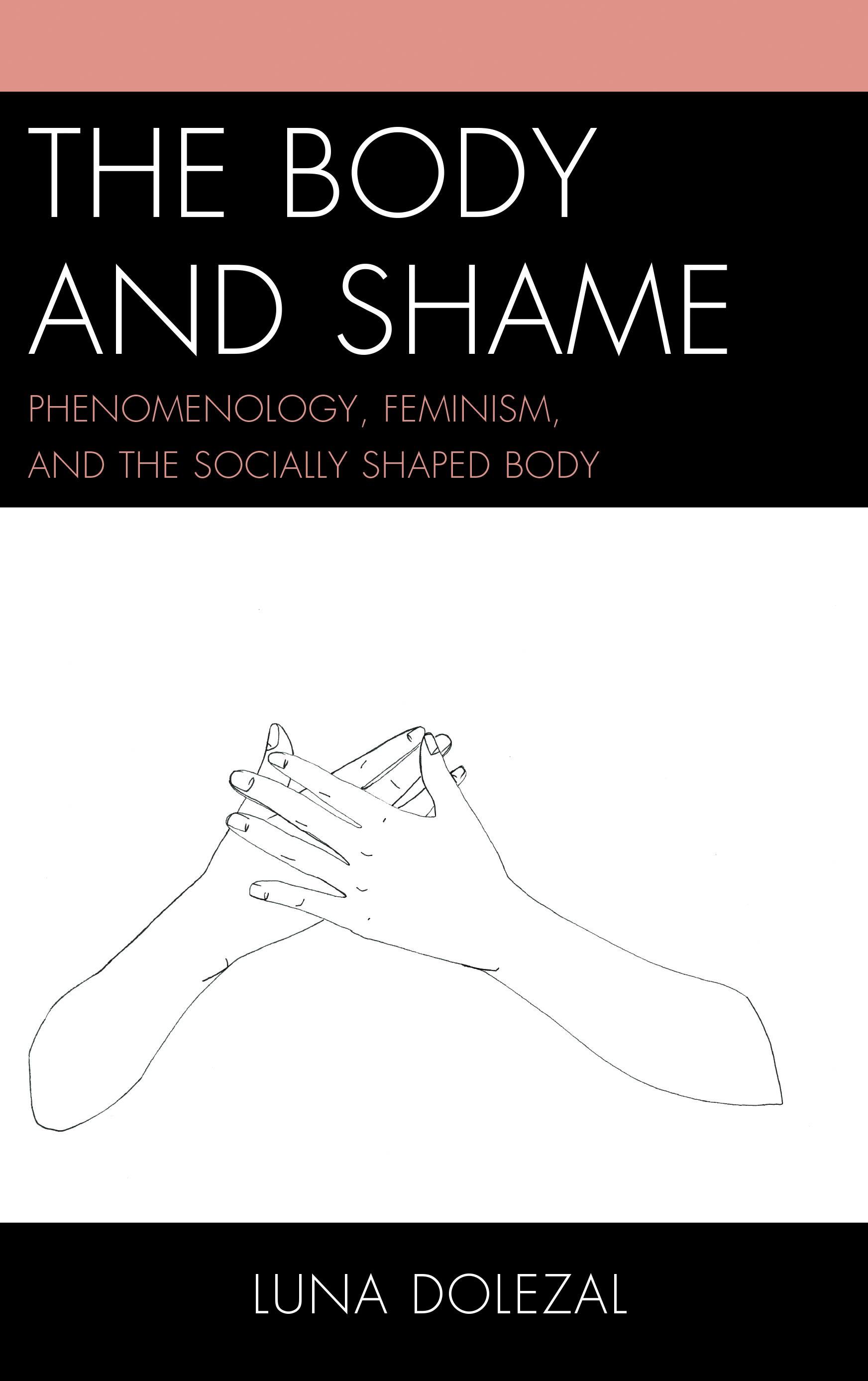
The Body and Shame: Phenomenology, Feminism, and the Socially Shaped Body investigates the concept of body shame and explores its significance when considering philosophical accounts of embodied subjectivity. Body shame only finds its full articulation in the presence (actual or imagined) of others within a rule and norm governed milieu. As such, it bridges our personal, individual and embodied experience with the social, cultural and political world that contains us. Luna Dolezal argues that understanding body shame can shed light on how the social is embodied, that is, how the body—experienced in its phenomenological primacy by the subject—becomes a social and cultural artifact, shaped by external forces and demands.
The Body and Shame introduces leading twentieth-century phenomenological and sociological accounts of embodied subjectivity through the work of Edmund Husserl, Maurice Merleau-Ponty, Jean-Paul Sartre, Michel Foucault and Norbert Elias. Dolezal examines the embodied, social and political features of body shame. contending that body shame is both a necessary and constitutive part of embodied subjectivity while simultaneously a potential site of oppression and marginalization. Exploring the cultural politics of shame, the final chapters of this work explore the phenomenology of self-presentation and a feminist analysis of shame and gender, with a critical focus on the practice of cosmetic surgery, a site where the body is literally shaped by shame. The Body and Shame will be of great interest to scholars and students in a wide variety of fields, including philosophy, phenomenology, feminist theory, women’s studies, social theory, cultural studies, psychology, sociology, and medical humanities.
The Body and Shame introduces leading twentieth-century phenomenological and sociological accounts of embodied subjectivity through the work of Edmund Husserl, Maurice Merleau-Ponty, Jean-Paul Sartre, Michel Foucault and Norbert Elias. Dolezal examines the embodied, social and political features of body shame. contending that body shame is both a necessary and constitutive part of embodied subjectivity while simultaneously a potential site of oppression and marginalization. Exploring the cultural politics of shame, the final chapters of this work explore the phenomenology of self-presentation and a feminist analysis of shame and gender, with a critical focus on the practice of cosmetic surgery, a site where the body is literally shaped by shame. The Body and Shame will be of great interest to scholars and students in a wide variety of fields, including philosophy, phenomenology, feminist theory, women’s studies, social theory, cultural studies, psychology, sociology, and medical humanities.
Betal enkelt med kort, Klarna, Apple Pay eller Google Pay. Ikke fornøyd? Du har alltid 14 dagers angrerett. Les mer i våre vilkår. Har du spørsmål, send oss en e-post på hello@memmo.org.
Memmo gjør det enklere å studere – uansett hvor du er i verden. Hos oss samler du pensumbøker og smarte studieverktøy på ett og samme sted: sammendrag, quizer, podkaster og flashcards. Og så Ted, din studiekompis som svarer på alt du lurer på. Over 50 000 studenter studerer allerede her – bygget for at du skal lære raskere og stresse mindre.