
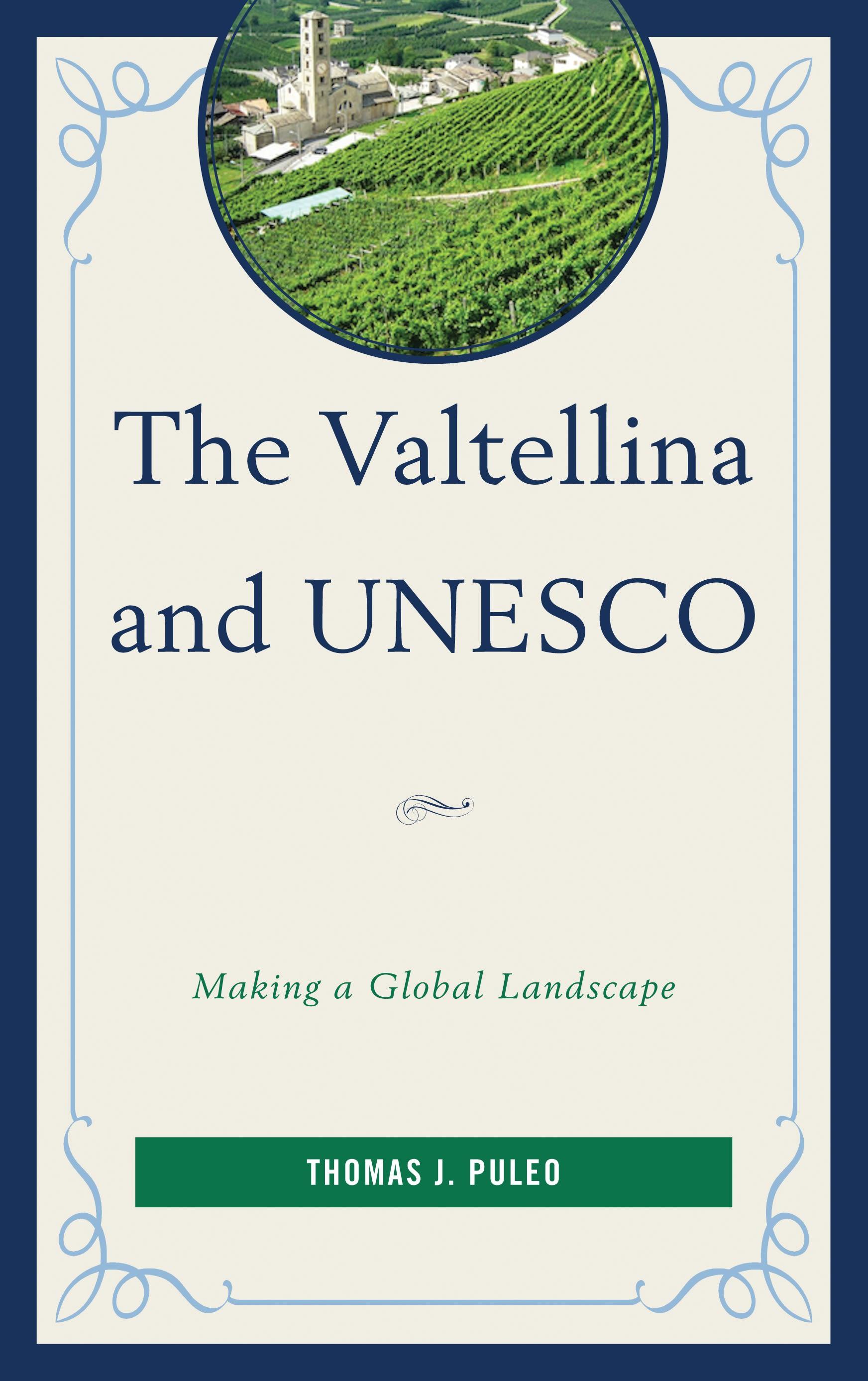
Global in scope and transdisciplinary in method, this work examines the process through which local historic landscapes become global heritage sites. The Valtellina, a valley in the Italian Alps, is known for being unusually fertile for its elevation and latitude, and for the dry stone terraces on its steep hillsides that make this fertility possible. ProVinea, a local nonprofit, has applied to UNESCO to inscribe these landscapes onto its World Heritage list, representing the construction and use of the terraces as the heroic transformation of barren slopes into fertile fields. Drawing on Michel Serres’ theory of serial parasitism, this study demonstrates how ProVinea discursively and materially remakes the landscapes by culling the advantageous, eliminating the detrimental, and assembling the dispersed. A casualty of this process is a more complex and complete truth, one that this book aims to restore, while also acknowledging the validity of World Heritage’s efforts to build a global culture and ProVinea’s desire to connect to it.
Betal enkelt med kort, Klarna, Apple Pay eller Google Pay. Ikke fornøyd? Du har alltid 14 dagers angrerett. Les mer i våre vilkår. Har du spørsmål, send oss en e-post på hello@memmo.org.
Memmo gjør det enklere å studere – uansett hvor du er i verden. Hos oss samler du pensumbøker og smarte studieverktøy på ett og samme sted: sammendrag, quizer, podkaster og flashcards. Og så Ted, din studiekompis som svarer på alt du lurer på. Over 50 000 studenter studerer allerede her – bygget for at du skal lære raskere og stresse mindre.