
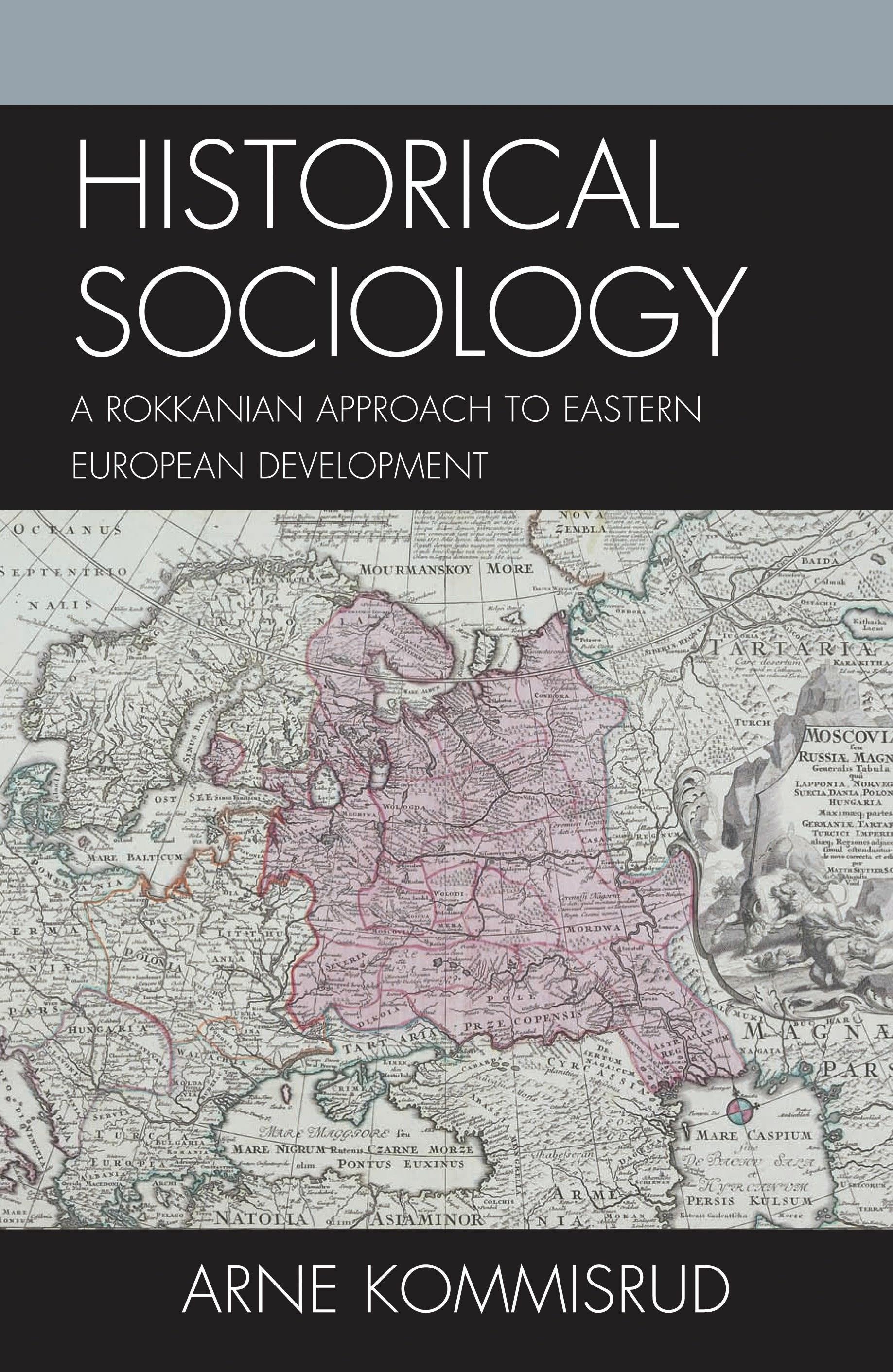
An innovator in theoretical approaches in the social sciences, Stein Rokkan developed general models, developmental models, and conceptual maps that specified the main variables and important relationships in European political history. In Historical Sociology, Arne Kommisrud tests these general hypotheses against specific historical and regional contexts. He uses the case of Eastern Europe after the downfall of the Berlin Wall to extend the geography of the model's range, and introduces possibilities for theoretical modification through an analysis of sequential interactions.
Covering a period from the Middle Ages through the 1990s, and addressing phenomena overlooked by Rokkan such as statebuilding and nationalism, this book demonstrates that Rokkan's models continue to be relevant to modern political science and sociology. Kommisrud's study is a valuable contribution to Rokkanian approaches and the understanding of Eastern European development within the historical and geographic context of Europe as a whole.
Covering a period from the Middle Ages through the 1990s, and addressing phenomena overlooked by Rokkan such as statebuilding and nationalism, this book demonstrates that Rokkan's models continue to be relevant to modern political science and sociology. Kommisrud's study is a valuable contribution to Rokkanian approaches and the understanding of Eastern European development within the historical and geographic context of Europe as a whole.
Betal enkelt med kort, Klarna, Apple Pay eller Google Pay. Ikke fornøyd? Du har alltid 14 dagers angrerett. Les mer i våre vilkår. Har du spørsmål, send oss en e-post på hello@memmo.org.
Memmo gjør det enklere å studere – uansett hvor du er i verden. Hos oss samler du pensumbøker og smarte studieverktøy på ett og samme sted: sammendrag, quizer, podkaster og flashcards. Og så Ted, din studiekompis som svarer på alt du lurer på. Over 50 000 studenter studerer allerede her – bygget for at du skal lære raskere og stresse mindre.