
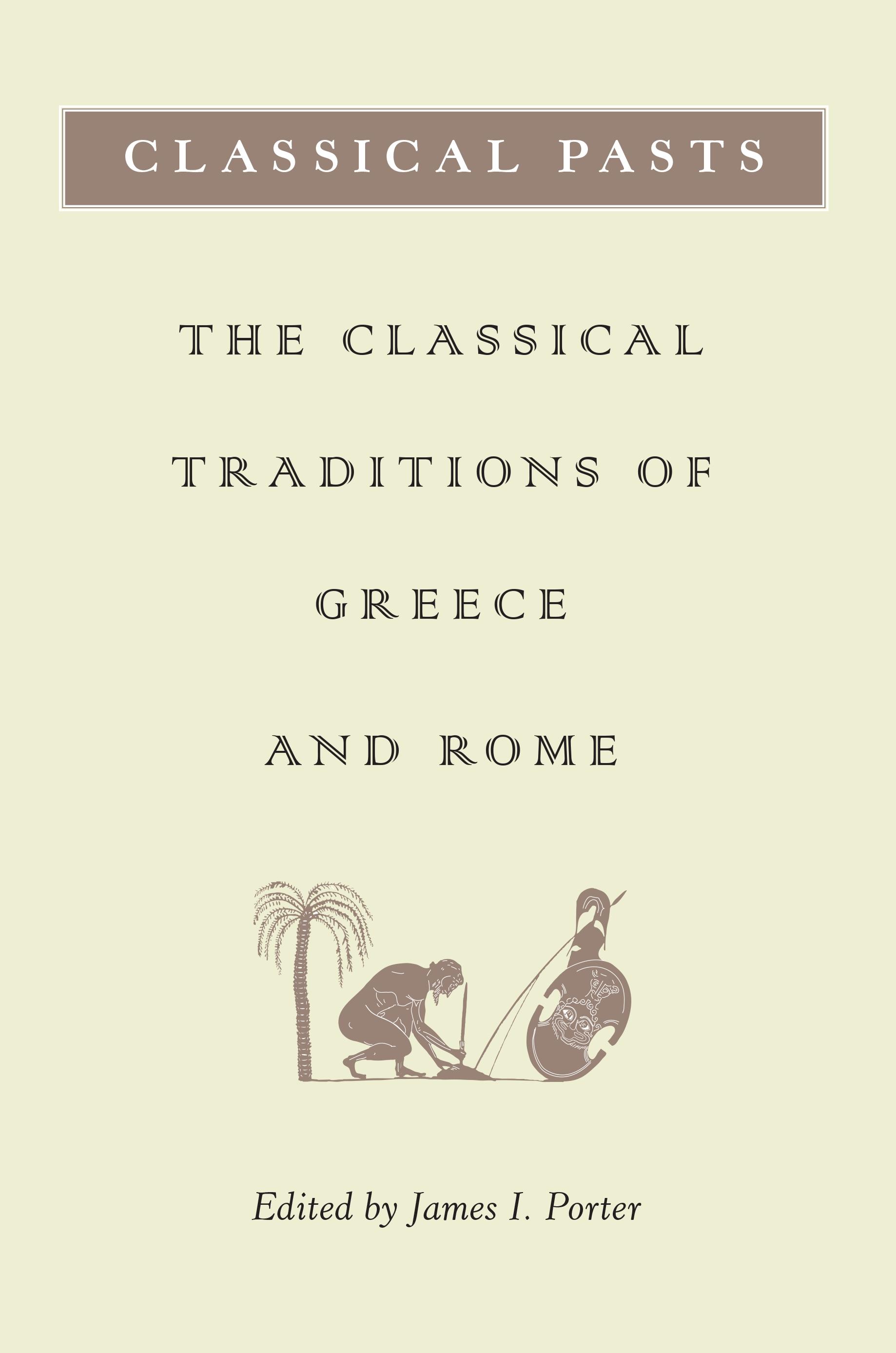
The term "classical" is used to describe everything from the poems of Homer to entire periods of Greek and Roman antiquity. But just how did the concept evolve? This collection of essays by leading classics scholars from the United States and Europe challenges the limits of the current understanding of the term. The book seeks not to arrive at a final definition, but rather to provide a cultural history of the concept by exploring how the meanings of "classical" have been created, recreated, and rejected over time. The book asks questions that have been nearly absent from the scholarly literature. Does "classical" refer to a specific period of history or to the artistic products of that time? How has its definition changed? Did those who lived in classical times have some understanding of what the term "classical" has meant? How coherent, consistent, or even justified is the term?
The book's introduction provides a generous theoretical and historical overview. It is followed by eleven chapters in which the contributors argue for the existence not of a single classical past, but of multiple, competing classical pasts. The essays address a broad range of topics--Homer and early Greek poetry and music, Isocrate, Hellenistic and Roman art, Cicero and Greek philosophy, the history of Latin literature, imperial Greek literature, and more. The most up-to-date and challenging treatment of the topic available, this collection will be of lasting interest to students and scholars of ancient and modern literature, art, and cultural history.
Betal enkelt med kort, Klarna, Apple Pay eller Google Pay. Ikke fornøyd? Du har alltid 14 dagers angrerett. Les mer i våre vilkår. Har du spørsmål, send oss en e-post på hello@memmo.org.
Memmo gjør det enklere å studere – uansett hvor du er i verden. Hos oss samler du pensumbøker og smarte studieverktøy på ett og samme sted: sammendrag, quizer, podkaster og flashcards. Og så Ted, din studiekompis som svarer på alt du lurer på. Over 50 000 studenter studerer allerede her – bygget for at du skal lære raskere og stresse mindre.