
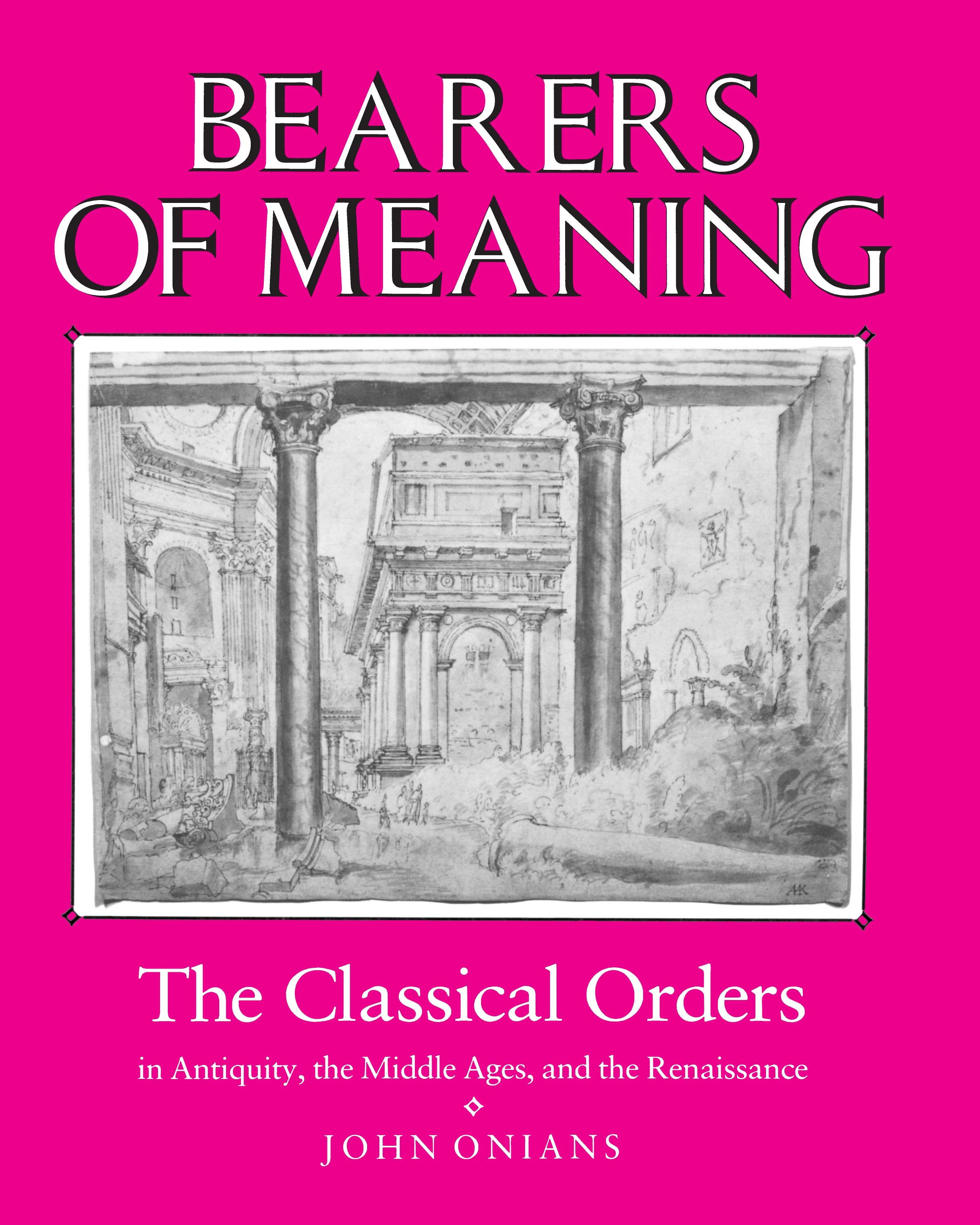
For all those interested in the relationship between ideas and the built environment, John Onians provides a lively illustrated account of the range of meanings that Western culture has assigned to the Classical orders. Onians shows that during the 2,000 years from their first appearance in ancient Greece through their codification in Renaissance Italy, the orders--the columns and capitals known as Doric, Ionic, Corinthian, Tuscan, and Composite--were made to serve expressive purposes, engaging the viewer in a continuing visual dialogue.
Betal enkelt med kort, Klarna, Apple Pay eller Google Pay. Ikke fornøyd? Du har alltid 14 dagers angrerett. Les mer i våre vilkår. Har du spørsmål, send oss en e-post på hello@memmo.org.
Memmo gjør det enklere å studere – uansett hvor du er i verden. Hos oss samler du pensumbøker og smarte studieverktøy på ett og samme sted: sammendrag, quizer, podkaster og flashcards. Og så Ted, din studiekompis som svarer på alt du lurer på. Over 50 000 studenter studerer allerede her – bygget for at du skal lære raskere og stresse mindre.