
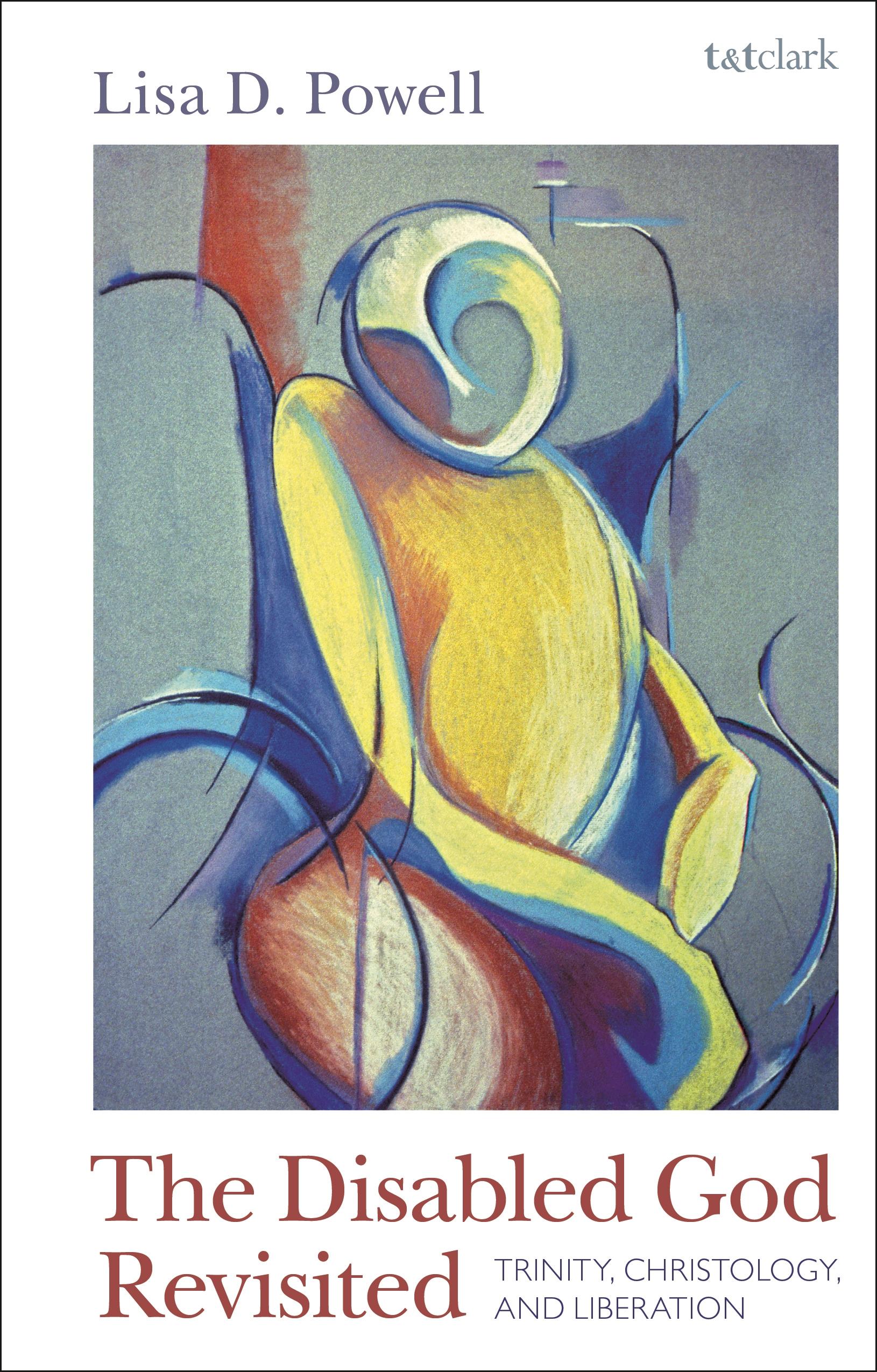
Lisa D. Powell strengthens and amplifies the claim that God is disabled, made by Nancy Eiesland in her ground breaking book The Disabled God (1994). She offers an alternative understanding of the doctrine of God and the Trinity, resulting in a God who is not autonomous and utterly independent. According to this view, God's triune identity is established in God's decision for covenant, and thus creation is a requirement for the fulfillment of God's nature - not only is the Son always anticipating full embodiment and human nature, but more specifically is eternally anticipating an impaired body. Powell argues that God is not only interdependent within the immanent Trinity, but God experiences real dependency, risk and vulnerability from God's “original” self-determination.
Powell revisits Eiesland's claim about Christ's resurrected body and her conclusions about eschatological embodiment, arguing that it is the able-body that does not persist eschatologically, but all humanity journeys toward ever more transparency, vulnerability and interdependency as the Body of Christ.
Powell revisits Eiesland's claim about Christ's resurrected body and her conclusions about eschatological embodiment, arguing that it is the able-body that does not persist eschatologically, but all humanity journeys toward ever more transparency, vulnerability and interdependency as the Body of Christ.
Betal enkelt med kort, Klarna, Apple Pay eller Google Pay. Ikke fornøyd? Du har alltid 14 dagers angrerett. Les mer i våre vilkår. Har du spørsmål, send oss en e-post på hello@memmo.org.
Memmo gjør det enklere å studere – uansett hvor du er i verden. Hos oss samler du pensumbøker og smarte studieverktøy på ett og samme sted: sammendrag, quizer, podkaster og flashcards. Og så Ted, din studiekompis som svarer på alt du lurer på. Over 50 000 studenter studerer allerede her – bygget for at du skal lære raskere og stresse mindre.