
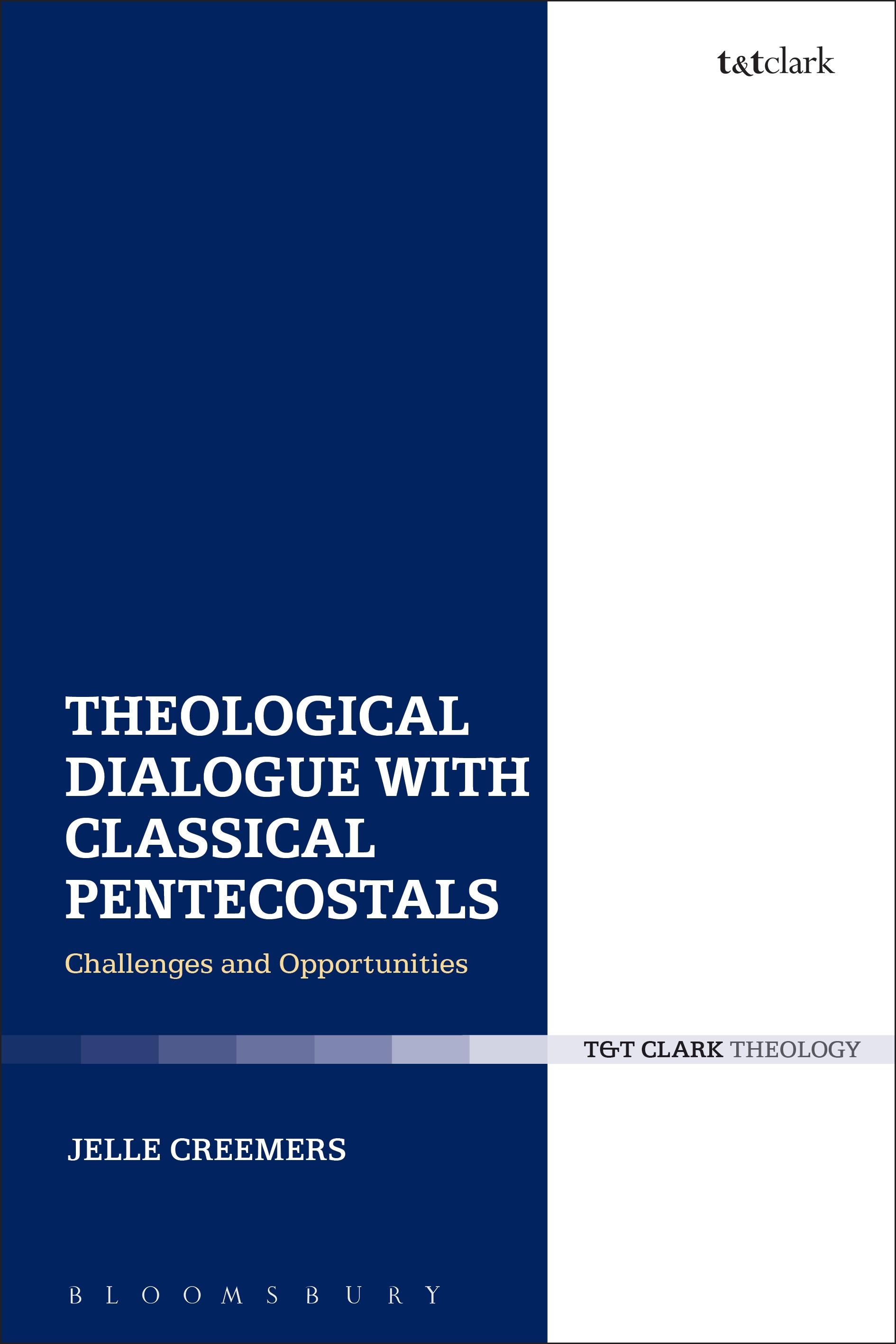
The last two decades have witnessed the growing participation in theological dialogues of non-institutional (free church) movements. This poses a serious challenge to 21st century ecumenism, since ecclesial realities and internal diversity of these movements impede fruitful dialogue in the classical manner. The present volume addresses fundamental aspects of this challenge by a critical study of an exemplary case of such dialogues, the International Roman Catholic-Classical Pentecostal Dialogue (1972-2007). This unique study builds both on primary archival sources and on earlier research on the IRCCPD.
After providing an ecumenical profile of the Classical Pentecostal dialogue partner, Creemers demonstrates how fair representation of the Classical Pentecostal movement has been pursued in the course of the dialogue. Next, he gives attention to the ecumenical method of the IRCCPD. First, the development of a dialogue method hinging on “hard questions” is traced, which has allowed a balanced theological exchange between the dialogue partners. Regarding theological method, it is demonstrated that both partners showed a willingness to experiment together by integrating sources of theological knowledge typically distrusted in their own traditions. In conclusion, the analyses are integrated in an overview of challenges and opportunities for dialogue with the Classical Pentecostal movement in the context of ongoing discussions on ecumenical method.
After providing an ecumenical profile of the Classical Pentecostal dialogue partner, Creemers demonstrates how fair representation of the Classical Pentecostal movement has been pursued in the course of the dialogue. Next, he gives attention to the ecumenical method of the IRCCPD. First, the development of a dialogue method hinging on “hard questions” is traced, which has allowed a balanced theological exchange between the dialogue partners. Regarding theological method, it is demonstrated that both partners showed a willingness to experiment together by integrating sources of theological knowledge typically distrusted in their own traditions. In conclusion, the analyses are integrated in an overview of challenges and opportunities for dialogue with the Classical Pentecostal movement in the context of ongoing discussions on ecumenical method.
Betal enkelt med kort, Klarna, Apple Pay eller Google Pay. Ikke fornøyd? Du har alltid 14 dagers angrerett. Les mer i våre vilkår. Har du spørsmål, send oss en e-post på hello@memmo.org.
Memmo gjør det enklere å studere – uansett hvor du er i verden. Hos oss samler du pensumbøker og smarte studieverktøy på ett og samme sted: sammendrag, quizer, podkaster og flashcards. Og så Ted, din studiekompis som svarer på alt du lurer på. Over 50 000 studenter studerer allerede her – bygget for at du skal lære raskere og stresse mindre.