
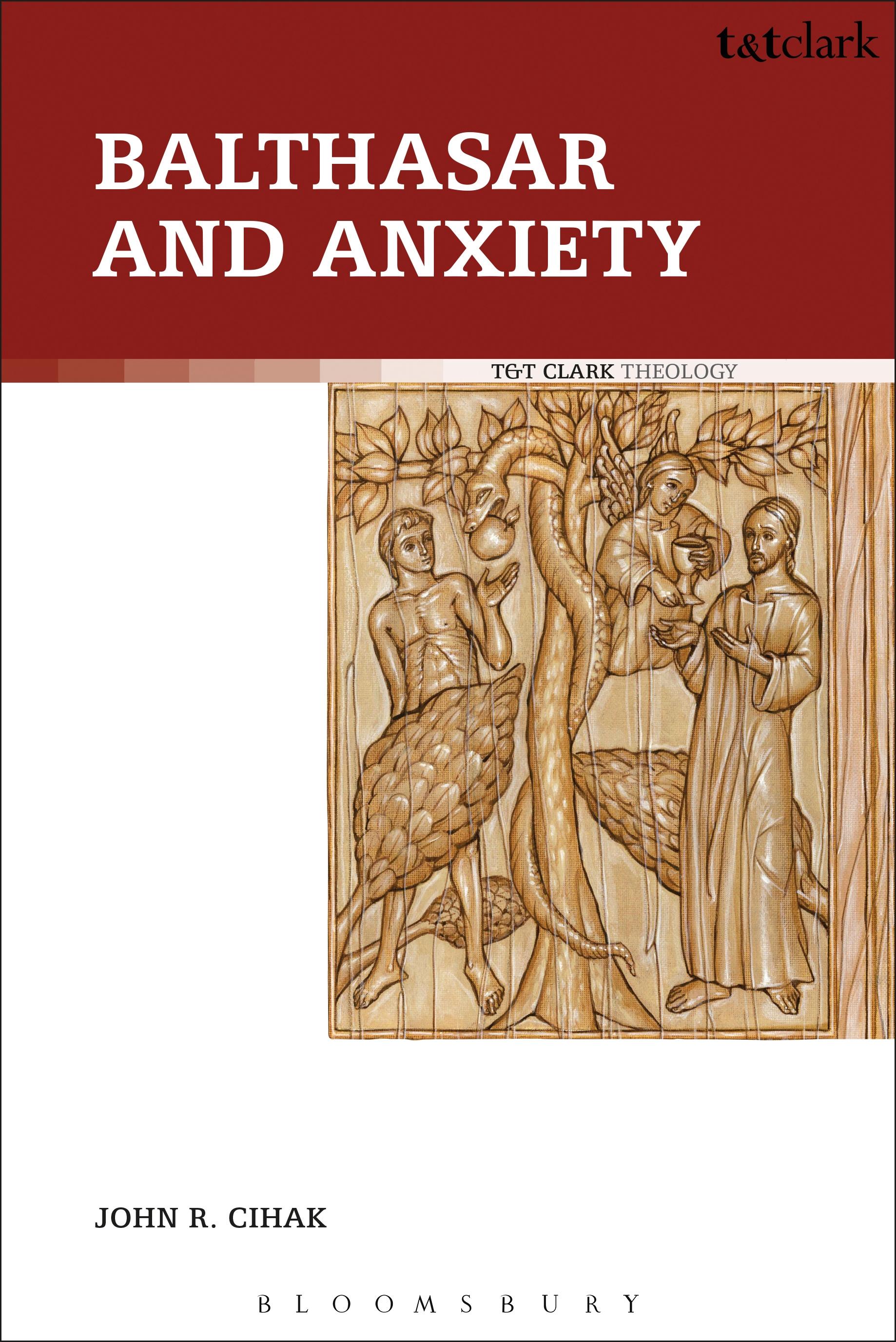
This study offers a theological response to the problem of anxiety from the point of view of Hans Urs von Balthasar. It is a systematic presentation, analysis and development of Balthasar's original theology of anxiety found in his only work on the subject, Der Christ und die Angst. The study takes a thematic approach based upon the four types of analysis found in Der Christ und die Angst: phenomenological, anthropological, theological and ecclesial. These four approaches to the topic correspond to the phenomenon, origins, redemption and transformation of anxiety.
Through this thematic approach, Balthasar's thought is examined in relation to some of the important figures on anxiety. The phenomenon of anxiety is presented in relation to modern psychiatry. The examination of anxiety's origins places him in dialogue with Kierkegaard on anxiety from discursive reasoning and Freud on anxiety from ego-consciousness. The redemption of anxiety places Balthasar in relation to Aquinas in order to clarify Balthasar's interpretation and to show its significance in the theological tradition. The transformation of anxiety places our author in dialogue with Luther on the shape of anxiety in the Christian life. The final chapter begins to unravel the construct of anxiety, with a brief exploration of how it is transformed in the Church according to Balthasar, something he had never explicitly developed. The influence of Bernanos on Balthasar's thought is felt throughout the study. The entire study is framed by the two Gardens wherein transpire the most significant events concerning anxiety for Balthasar: the Garden of Eden and the Garden of Gethsemane.
Through this thematic approach, Balthasar's thought is examined in relation to some of the important figures on anxiety. The phenomenon of anxiety is presented in relation to modern psychiatry. The examination of anxiety's origins places him in dialogue with Kierkegaard on anxiety from discursive reasoning and Freud on anxiety from ego-consciousness. The redemption of anxiety places Balthasar in relation to Aquinas in order to clarify Balthasar's interpretation and to show its significance in the theological tradition. The transformation of anxiety places our author in dialogue with Luther on the shape of anxiety in the Christian life. The final chapter begins to unravel the construct of anxiety, with a brief exploration of how it is transformed in the Church according to Balthasar, something he had never explicitly developed. The influence of Bernanos on Balthasar's thought is felt throughout the study. The entire study is framed by the two Gardens wherein transpire the most significant events concerning anxiety for Balthasar: the Garden of Eden and the Garden of Gethsemane.
Betal enkelt med kort, Klarna, Apple Pay eller Google Pay. Ikke fornøyd? Du har alltid 14 dagers angrerett. Les mer i våre vilkår. Har du spørsmål, send oss en e-post på hello@memmo.org.
Memmo gjør det enklere å studere – uansett hvor du er i verden. Hos oss samler du pensumbøker og smarte studieverktøy på ett og samme sted: sammendrag, quizer, podkaster og flashcards. Og så Ted, din studiekompis som svarer på alt du lurer på. Over 50 000 studenter studerer allerede her – bygget for at du skal lære raskere og stresse mindre.