
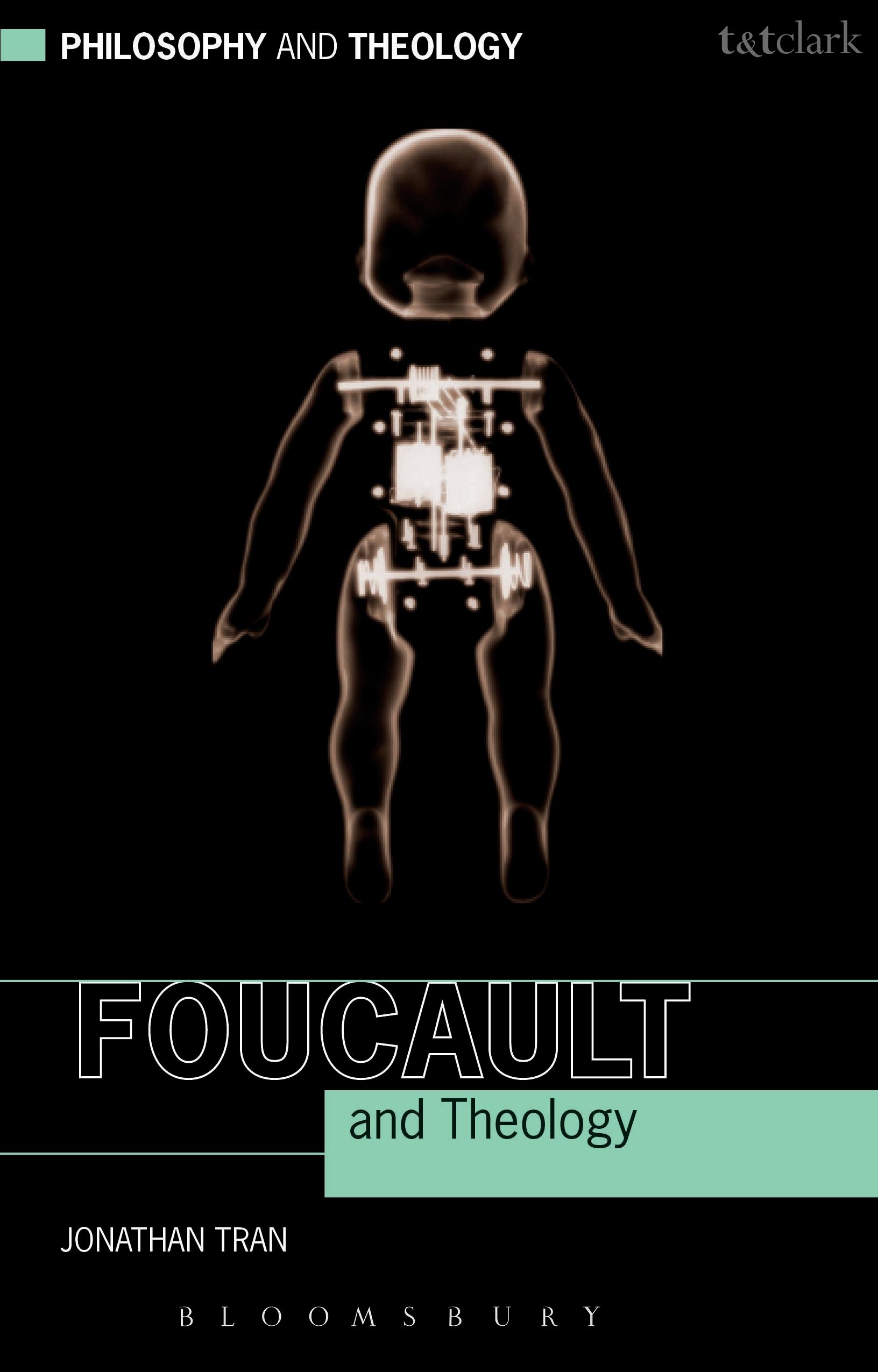
Near the end of his life, Michel Foucault turned his attention to the early church Fathers. He did so not for anything like a return to God but rather because he found in those sources alternatives for re-imaging the self. And though Foucault never seriously entertained Christianity beyond theorizing its aesthetic style one might argue that Christian practices like confession or Eucharist share family resemblances to Foucaultian sensibilities. This book will explain how to do theology in light of Foucault, or more precisely, to read Foucault as if God mattered. Therefore, it will seek to articulate practices like confession, prayer, and so on as techniques for the self, situate "the church as politics" within present constellations of power, disclose theological knowledges as modes of critical intervention, or what Foucault called archaeology, and conceptualize Christian existence in time through mnemonic practices of genealogy.
Betal enkelt med kort, Klarna, Apple Pay eller Google Pay. Ikke fornøyd? Du har alltid 14 dagers angrerett. Les mer i våre vilkår. Har du spørsmål, send oss en e-post på hello@memmo.org.
Memmo gjør det enklere å studere – uansett hvor du er i verden. Hos oss samler du pensumbøker og smarte studieverktøy på ett og samme sted: sammendrag, quizer, podkaster og flashcards. Og så Ted, din studiekompis som svarer på alt du lurer på. Over 50 000 studenter studerer allerede her – bygget for at du skal lære raskere og stresse mindre.