
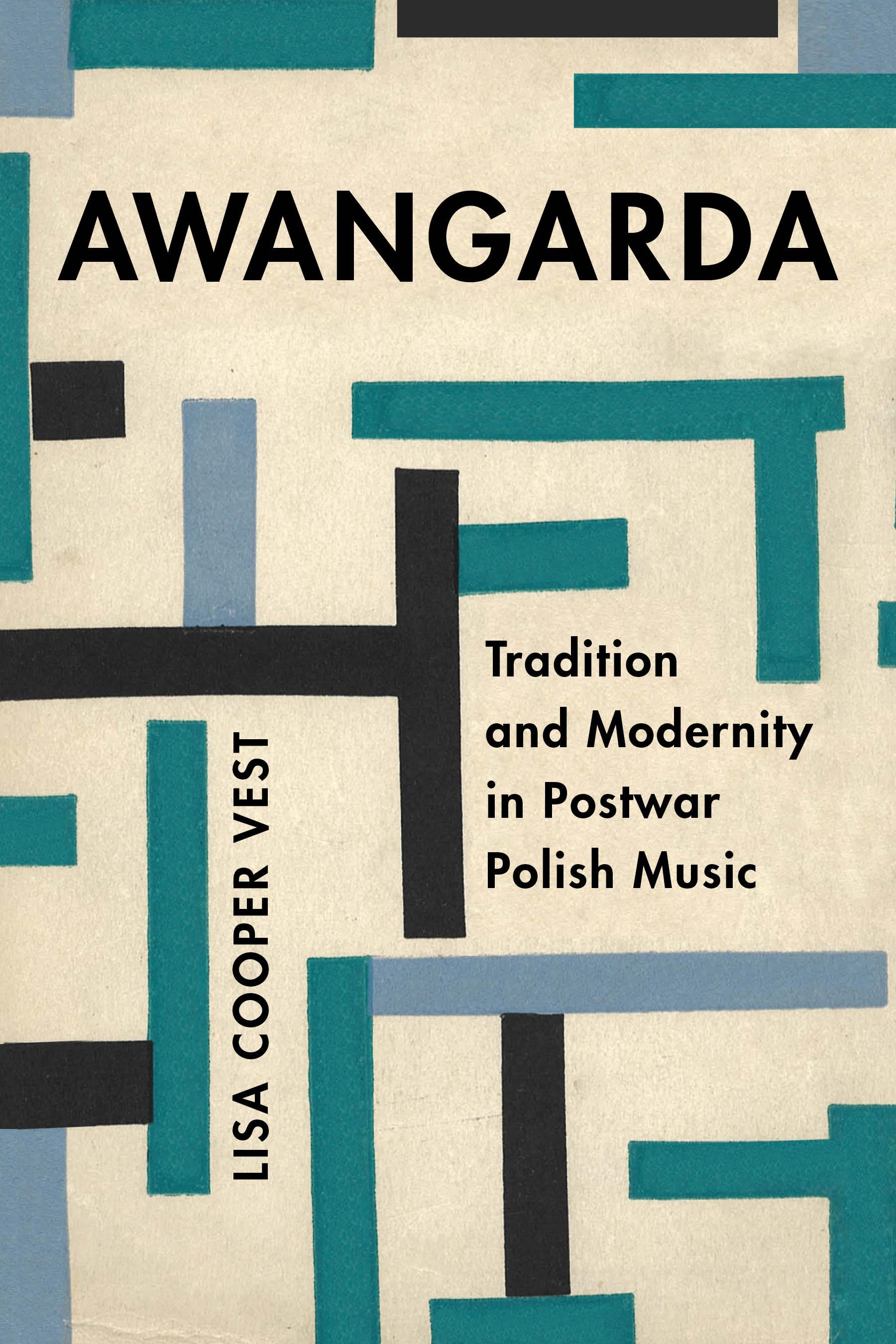
In Awangarda, Lisa Cooper Vest explores how the Polish postwar musical avant-garde framed itself in contrast to its Western European counterparts. Rather than a rejection of the past, the Polish avant-garde movement emerged as a manifestation of national cultural traditions stretching back into the interwar years and even earlier into the nineteenth century. Polish composers, scholars, and political leaders wielded the promise of national progress to broker consensus across generational and ideological divides. Together, they established an avant-garde musical tradition that pushed against the limitations of strict chronological time and instrumentalized discourses of backwardness and forwardness to articulate a Polish road to modernity. This is a history that resists Cold War periodization, opening up new ways of thinking about nations and nationalism in the second half of the twentieth century.
Betal enkelt med kort, Klarna, Apple Pay eller Google Pay. Ikke fornøyd? Du har alltid 14 dagers angrerett. Les mer i våre vilkår. Har du spørsmål, send oss en e-post på hello@memmo.org.
Memmo gjør det enklere å studere – uansett hvor du er i verden. Hos oss samler du pensumbøker og smarte studieverktøy på ett og samme sted: sammendrag, quizer, podkaster og flashcards. Og så Ted, din studiekompis som svarer på alt du lurer på. Over 50 000 studenter studerer allerede her – bygget for at du skal lære raskere og stresse mindre.
Du vil kanskje også like
Kjøp boken0