
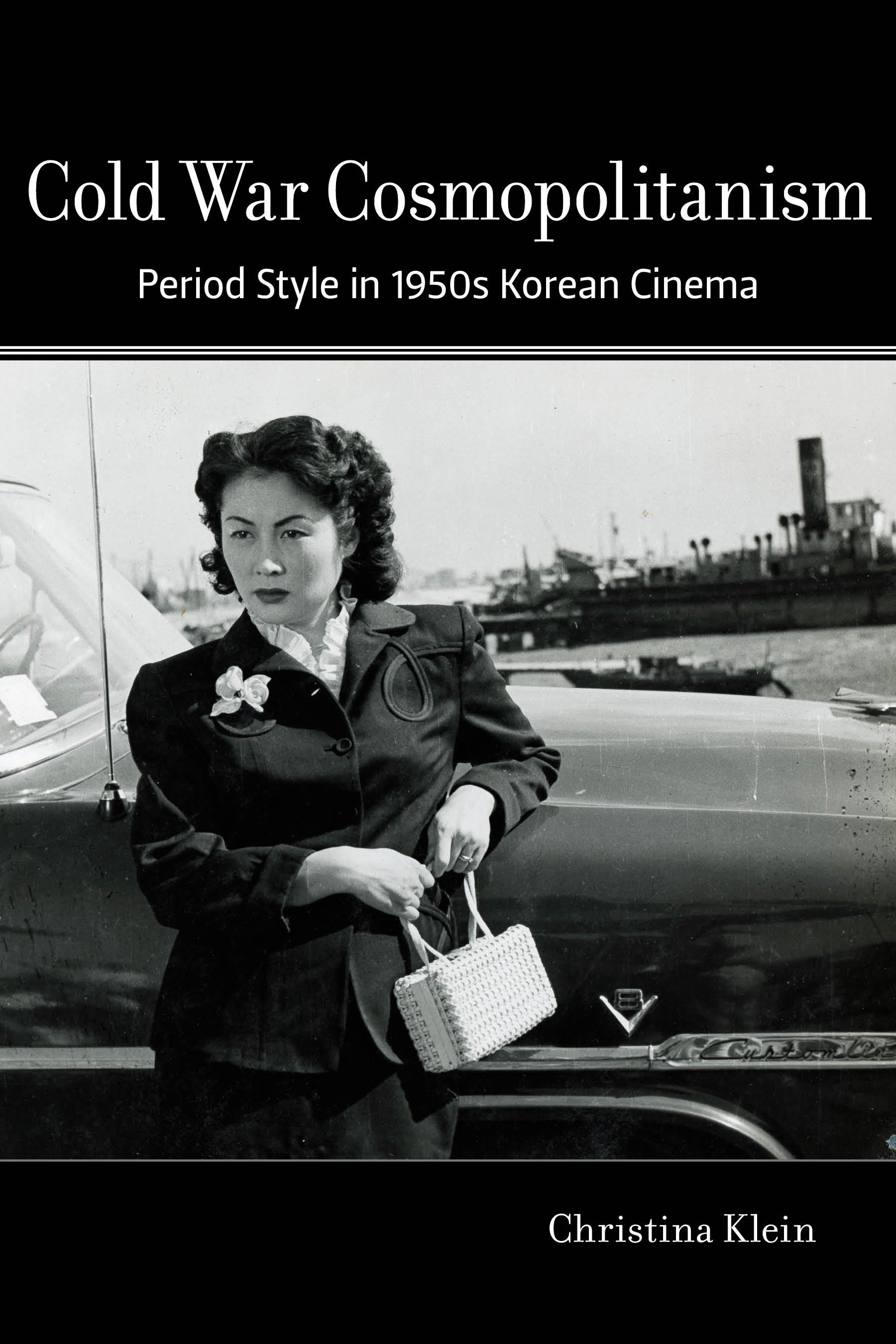
South Korea in the 1950s was home to a burgeoning film culture, one of the many “Golden Age cinemas” that flourished in Asia during the postwar years. Cold War Cosmopolitanism offers a transnational cultural history of South Korean film style in this period, focusing on the works of Han Hyung-mo, director of the era’s most glamorous and popular women’s pictures, including the blockbuster Madame Freedom (1956). Christina Klein provides a unique approach to the study of film style, illuminating how Han’s films took shape within a “free world” network of aesthetic and material ties created by the legacies of Japanese colonialism, the construction of US military bases, the waging of the cultural Cold War by the CIA, the forging of regional political alliances, and the import of popular cultures from around the world. Klein combines nuanced readings of Han’s sophisticated style with careful attention to key issues of modernity—such as feminism, cosmopolitanism, and consumerism—in the first monograph devoted to this major Korean director.
A free open access book is available upon publication. Learn more at www.luminosoa.org.
A free open access book is available upon publication. Learn more at www.luminosoa.org.
Betal enkelt med kort, Klarna, Apple Pay eller Google Pay. Ikke fornøyd? Du har alltid 14 dagers angrerett. Les mer i våre vilkår. Har du spørsmål, send oss en e-post på hello@memmo.org.
Memmo gjør det enklere å studere – uansett hvor du er i verden. Hos oss samler du pensumbøker og smarte studieverktøy på ett og samme sted: sammendrag, quizer, podkaster og flashcards. Og så Ted, din studiekompis som svarer på alt du lurer på. Over 50 000 studenter studerer allerede her – bygget for at du skal lære raskere og stresse mindre.
Du vil kanskje også like
Kjøp boken0