
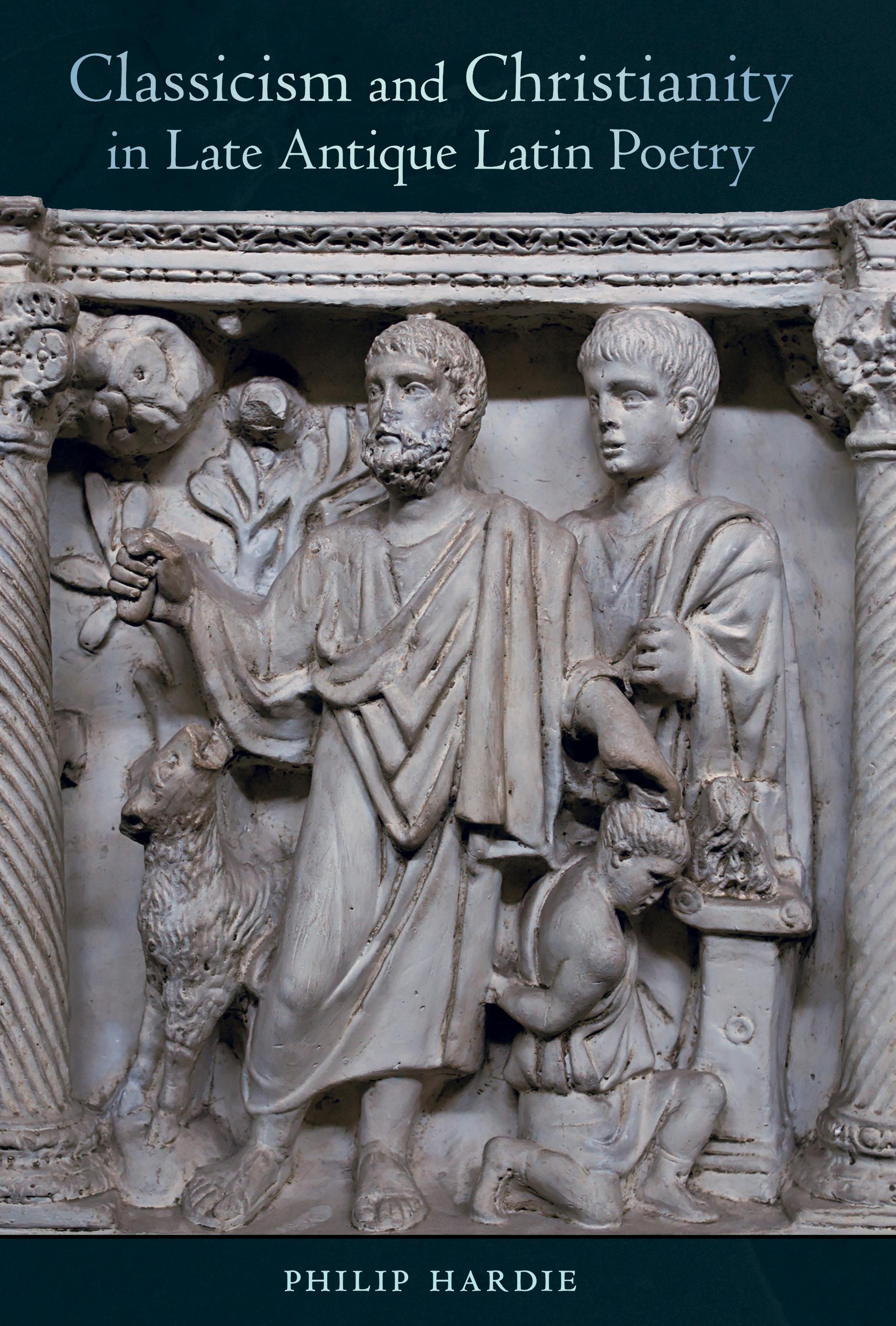
After centuries of near silence, Latin poetry underwent a renaissance in the late fourth and fifth centuries CE evidenced in the works of key figures such as Ausonius, Claudian, Prudentius, and Paulinus of Nola. This period of resurgence marked a milestone in the reception of the classics of late Republican and early imperial poetry. In Classicism and Christianity in Late Antique Latin Poetry, Philip Hardie explores the ways in which poets writing on non-Christian and Christian subjects used the classical traditions of Latin poetry to construct their relationship with Rome’s imperial past and present, and with the by now not-so-new belief system of the state religion, Christianity. The book pays particular attention to the themes of concord and discord, the "cosmic sense" of late antiquity, novelty and renouatio, paradox and miracle, and allegory. It is also a contribution to the ongoing discussion of whether there is an identifiably late antique poetics and a late antique practice of intertextuality. Not since Michael Robert's classic The Jeweled Style has a single book had so much to teach about the enduring power of Latin poetry in late antiquity.
Betal enkelt med kort, Klarna, Apple Pay eller Google Pay. Ikke fornøyd? Du har alltid 14 dagers angrerett. Les mer i våre vilkår. Har du spørsmål, send oss en e-post på hello@memmo.org.
Memmo gjør det enklere å studere – uansett hvor du er i verden. Hos oss samler du pensumbøker og smarte studieverktøy på ett og samme sted: sammendrag, quizer, podkaster og flashcards. Og så Ted, din studiekompis som svarer på alt du lurer på. Over 50 000 studenter studerer allerede her – bygget for at du skal lære raskere og stresse mindre.
Du vil kanskje også like
Kjøp boken0