
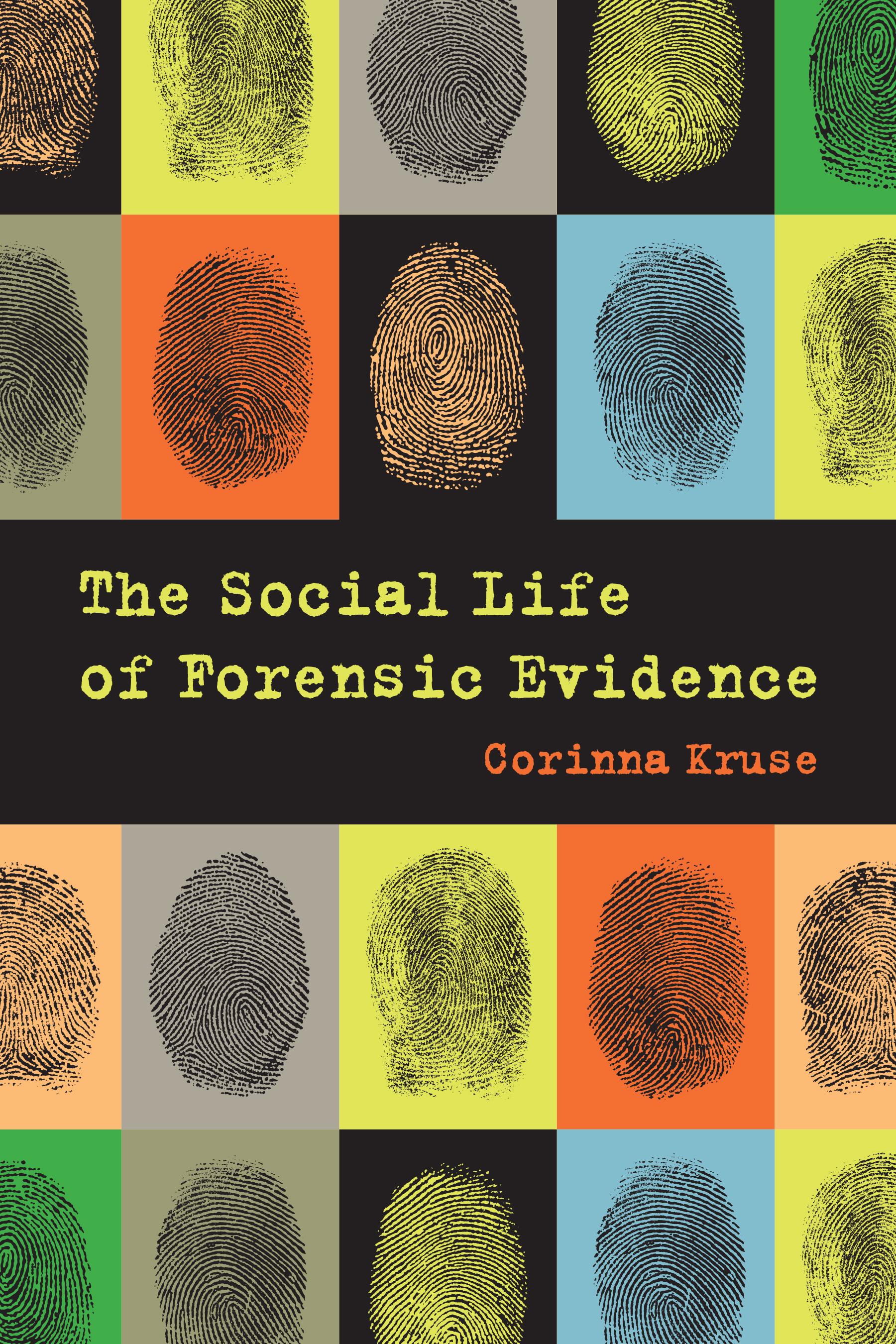
In The Social Life of Forensic Evidence, Corinna Kruse provides a major contribution to understanding forensic evidence and its role in the criminal justice system. Arguing that forensic evidence can be understood as a form of knowledge, she reveals that each piece of evidence has a social life and biography. Kruse shows how the crime scene examination is as crucial to the creation of forensic evidence as laboratory analyses, the plaintiff, witness, and suspect statements elicited by police investigators, and the interpretations that prosecutors and defense lawyers bring to the evidence. Drawing on ethnographic data from Sweden and on theory from both anthropology and science and technology studies, she examines how forensic evidence is produced and how it creates social relationships as cases move from crime scene to courtroom. She demonstrates that forensic evidence is neither a fixed entity nor solely material, but is inseparably part of and made through particular legal, social, and technological practices.
Betal enkelt med kort, Klarna, Apple Pay eller Google Pay. Ikke fornøyd? Du har alltid 14 dagers angrerett. Les mer i våre vilkår. Har du spørsmål, send oss en e-post på hello@memmo.org.
Memmo gjør det enklere å studere – uansett hvor du er i verden. Hos oss samler du pensumbøker og smarte studieverktøy på ett og samme sted: sammendrag, quizer, podkaster og flashcards. Og så Ted, din studiekompis som svarer på alt du lurer på. Over 50 000 studenter studerer allerede her – bygget for at du skal lære raskere og stresse mindre.
Du vil kanskje også like
Kjøp boken0