
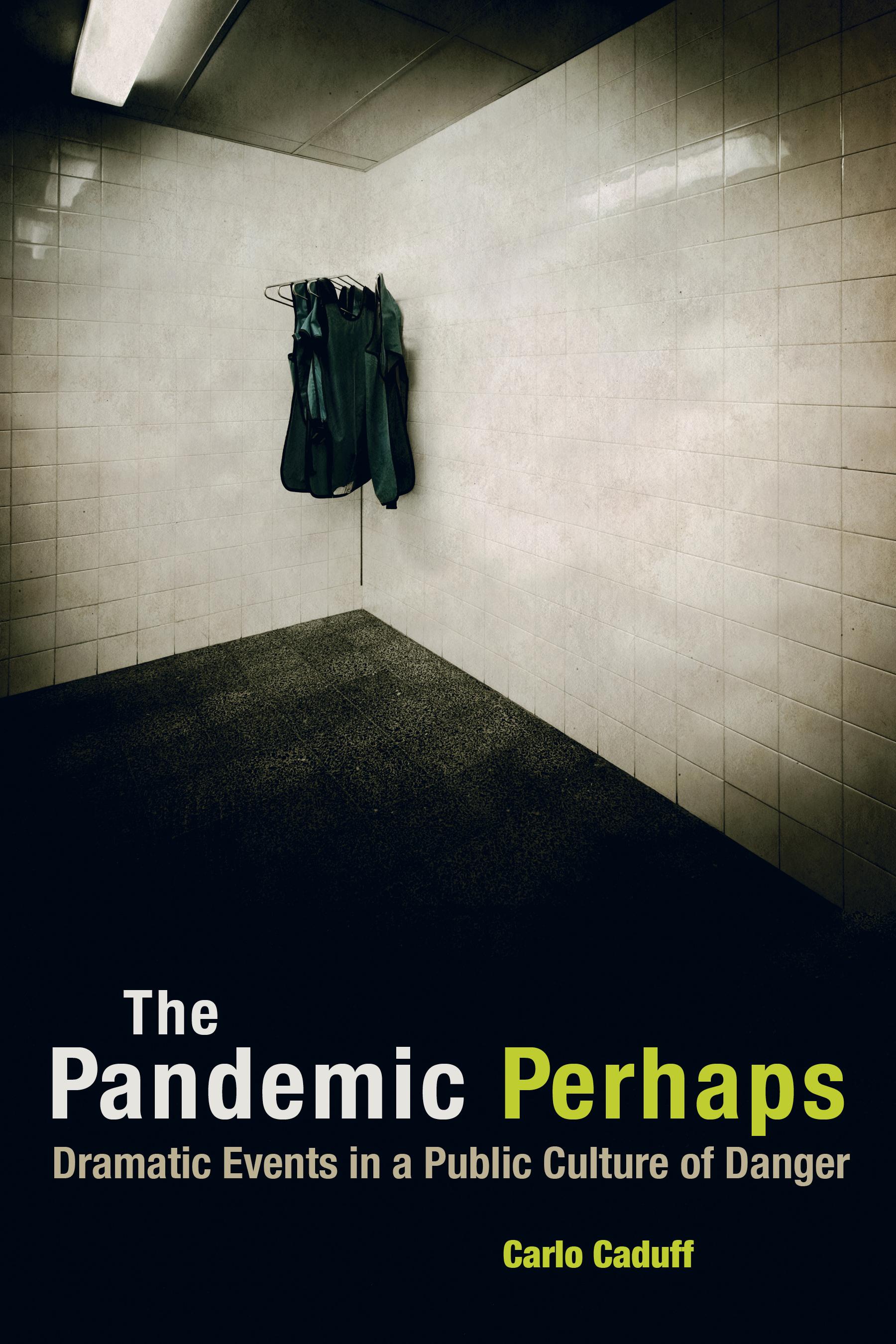
In 2005, American experts sent out urgent warnings throughout the country: a devastating flu pandemic was fast approaching. Influenza was a serious disease, not a seasonal nuisance; it could kill millions of people. If urgent steps were not taken immediately, the pandemic could shut down the economy and “trigger a reaction that will change the world overnight.”
The Pandemic Perhaps explores how American experts framed a catastrophe that never occurred. The urgent threat that was presented to the public produced a profound sense of insecurity, prompting a systematic effort to prepare the population for the coming plague. But when that plague did not arrive, the race to avert it carried on. Paradoxically, it was the absence of disease that made preparedness a permanent project.
The Pandemic Perhaps tells the story of what happened when nothing really happened. Drawing on fieldwork among scientists and public health professionals in New York City, the book is an investigation of how actors and institutions produced a scene of extreme expectation through the circulation of dramatic plague visions. It argues that experts deployed these visions to draw attention to the possibility of a pandemic, frame the disease as a catastrophic event, and make it meaningful to the nation. Today, when we talk about pandemic influenza, we must always say “perhaps.” What, then, does it mean to engage a disease in the modality of the maybe?
The Pandemic Perhaps explores how American experts framed a catastrophe that never occurred. The urgent threat that was presented to the public produced a profound sense of insecurity, prompting a systematic effort to prepare the population for the coming plague. But when that plague did not arrive, the race to avert it carried on. Paradoxically, it was the absence of disease that made preparedness a permanent project.
The Pandemic Perhaps tells the story of what happened when nothing really happened. Drawing on fieldwork among scientists and public health professionals in New York City, the book is an investigation of how actors and institutions produced a scene of extreme expectation through the circulation of dramatic plague visions. It argues that experts deployed these visions to draw attention to the possibility of a pandemic, frame the disease as a catastrophic event, and make it meaningful to the nation. Today, when we talk about pandemic influenza, we must always say “perhaps.” What, then, does it mean to engage a disease in the modality of the maybe?
Betal enkelt med kort, Klarna, Apple Pay eller Google Pay. Ikke fornøyd? Du har alltid 14 dagers angrerett. Les mer i våre vilkår. Har du spørsmål, send oss en e-post på hello@memmo.org.
Memmo gjør det enklere å studere – uansett hvor du er i verden. Hos oss samler du pensumbøker og smarte studieverktøy på ett og samme sted: sammendrag, quizer, podkaster og flashcards. Og så Ted, din studiekompis som svarer på alt du lurer på. Over 50 000 studenter studerer allerede her – bygget for at du skal lære raskere og stresse mindre.
Du vil kanskje også like
Kjøp boken0