
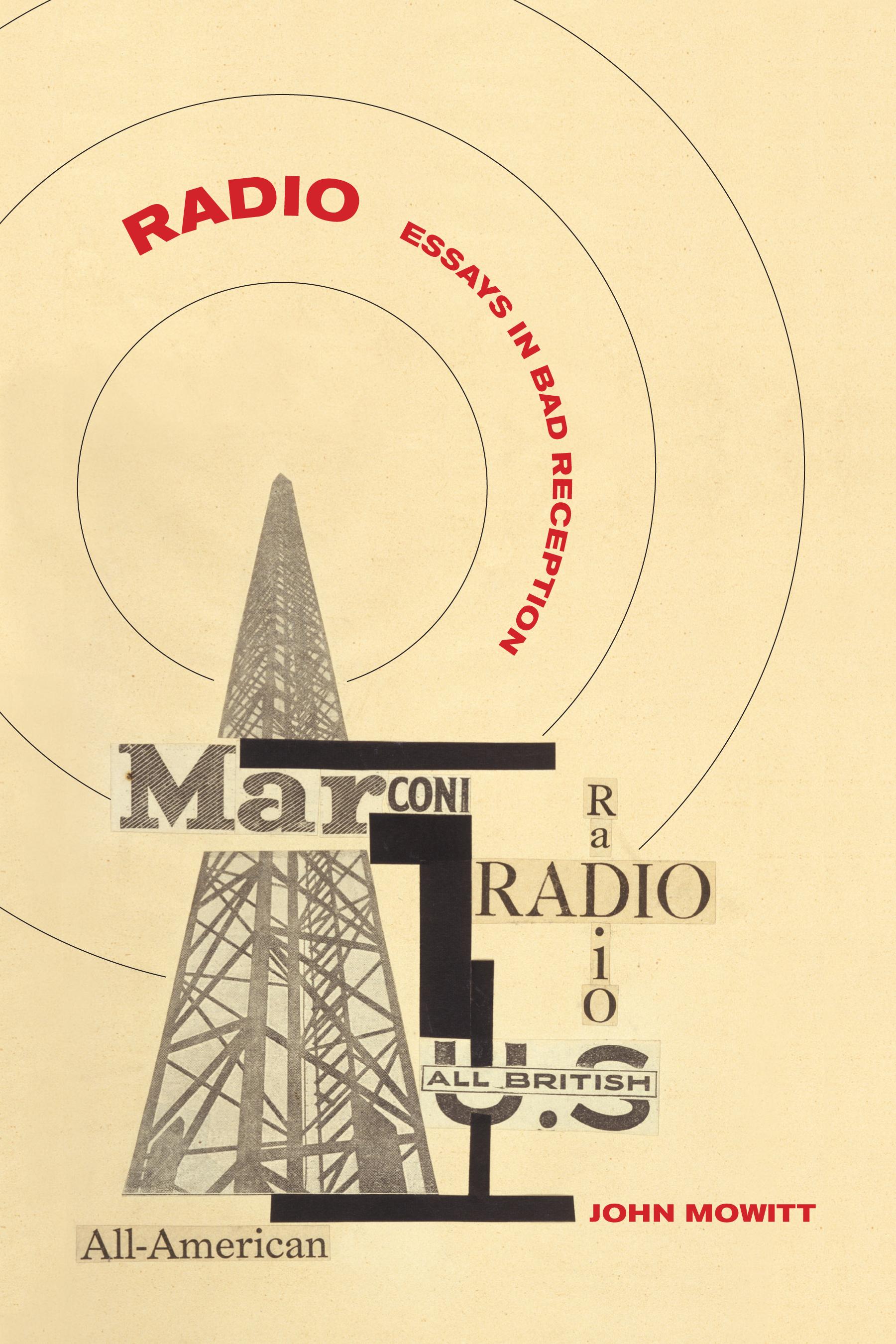
In a wide-ranging, cross-cultural, and transhistorical assessment, John Mowitt examines radio’s central place in the history of twentieth-century critical theory. A communication apparatus that was a founding technology of twentieth-century mass culture, radio drew the attention of theoretical and philosophical writers such as Jean-Paul Sartre, Walter Benjamin, Jacques Lacan, and Frantz Fanon, who used it as a means to disseminate their ideas. For others, such as Martin Heidegger, Theodor Adorno, and Raymond Williams, radio served as an object of urgent reflection. Mowitt considers how the radio came to matter, especially politically, to phenomenology, existentialism, Hegelian Marxism, anticolonialism, psychoanalysis, and cultural studies. The first systematic examination of the relationship between philosophy and radio, this provocative work also offers a fresh perspective on the role this technology plays today.
Betal enkelt med kort, Klarna, Apple Pay eller Google Pay. Ikke fornøyd? Du har alltid 14 dagers angrerett. Les mer i våre vilkår. Har du spørsmål, send oss en e-post på hello@memmo.org.
Memmo gjør det enklere å studere – uansett hvor du er i verden. Hos oss samler du pensumbøker og smarte studieverktøy på ett og samme sted: sammendrag, quizer, podkaster og flashcards. Og så Ted, din studiekompis som svarer på alt du lurer på. Over 50 000 studenter studerer allerede her – bygget for at du skal lære raskere og stresse mindre.
Du vil kanskje også like
Kjøp boken0