
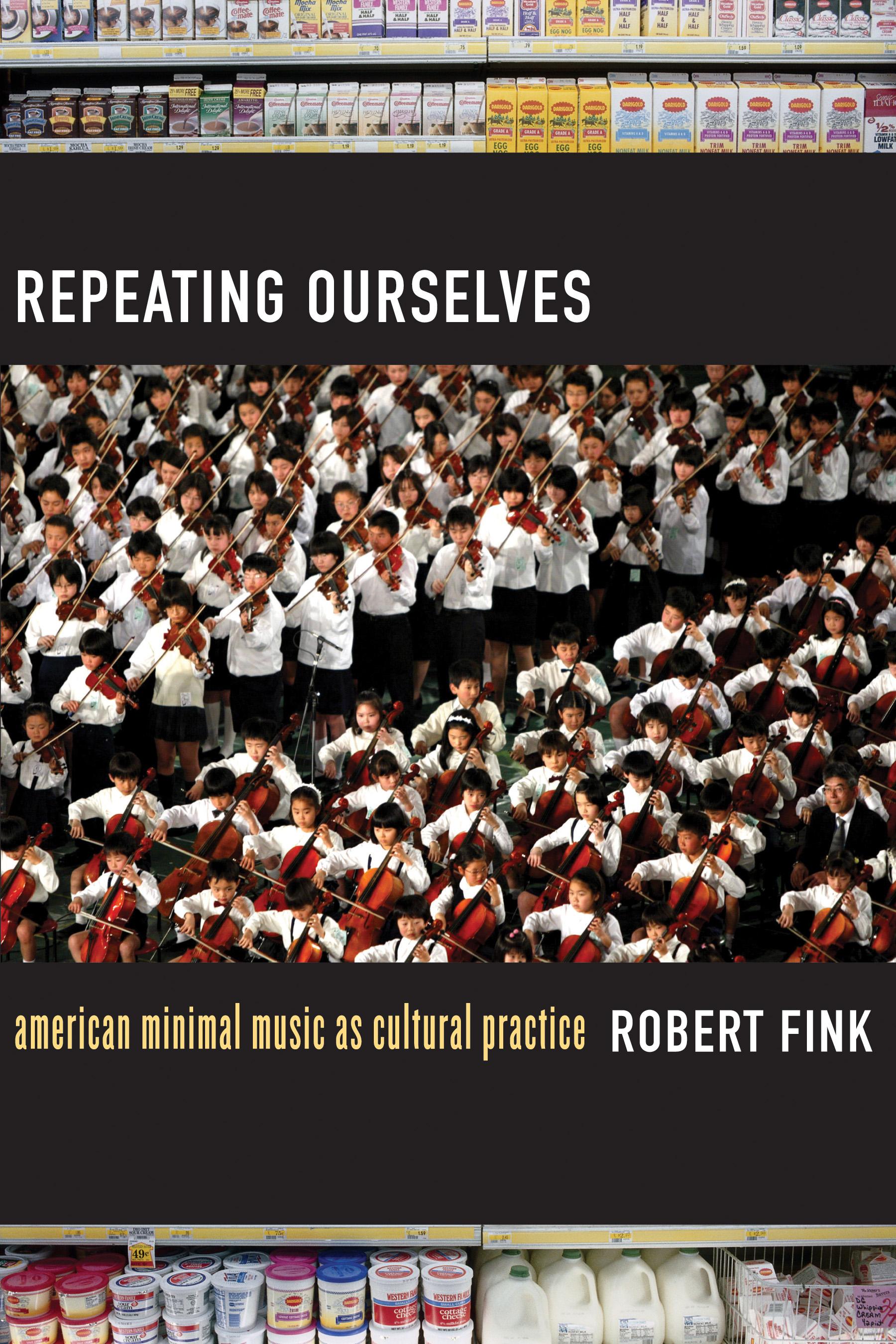
Where did musical minimalism come from—and what does it mean? In this significant revisionist account of minimalist music, Robert Fink connects repetitive music to the postwar evolution of an American mass consumer society. Abandoning the ingrained formalism of minimalist aesthetics, Repeating Ourselves considers the cultural significance of American repetitive music exemplified by composers such as Terry Riley, Steve Reich, and Philip Glass. Fink juxtaposes repetitive minimal music with 1970s disco; assesses it in relation to the selling structure of mass-media advertising campaigns; traces it back to the innovations in hi-fi technology that turned baroque concertos into ambient "easy listening"; and appraises its meditative kinship to the spiritual path of musical mastery offered by Japan's Suzuki Method of Talent Education.
Betal enkelt med kort, Klarna, Apple Pay eller Google Pay. Ikke fornøyd? Du har alltid 14 dagers angrerett. Les mer i våre vilkår. Har du spørsmål, send oss en e-post på hello@memmo.org.
Memmo gjør det enklere å studere – uansett hvor du er i verden. Hos oss samler du pensumbøker og smarte studieverktøy på ett og samme sted: sammendrag, quizer, podkaster og flashcards. Og så Ted, din studiekompis som svarer på alt du lurer på. Over 50 000 studenter studerer allerede her – bygget for at du skal lære raskere og stresse mindre.
Du vil kanskje også like
Kjøp boken0