
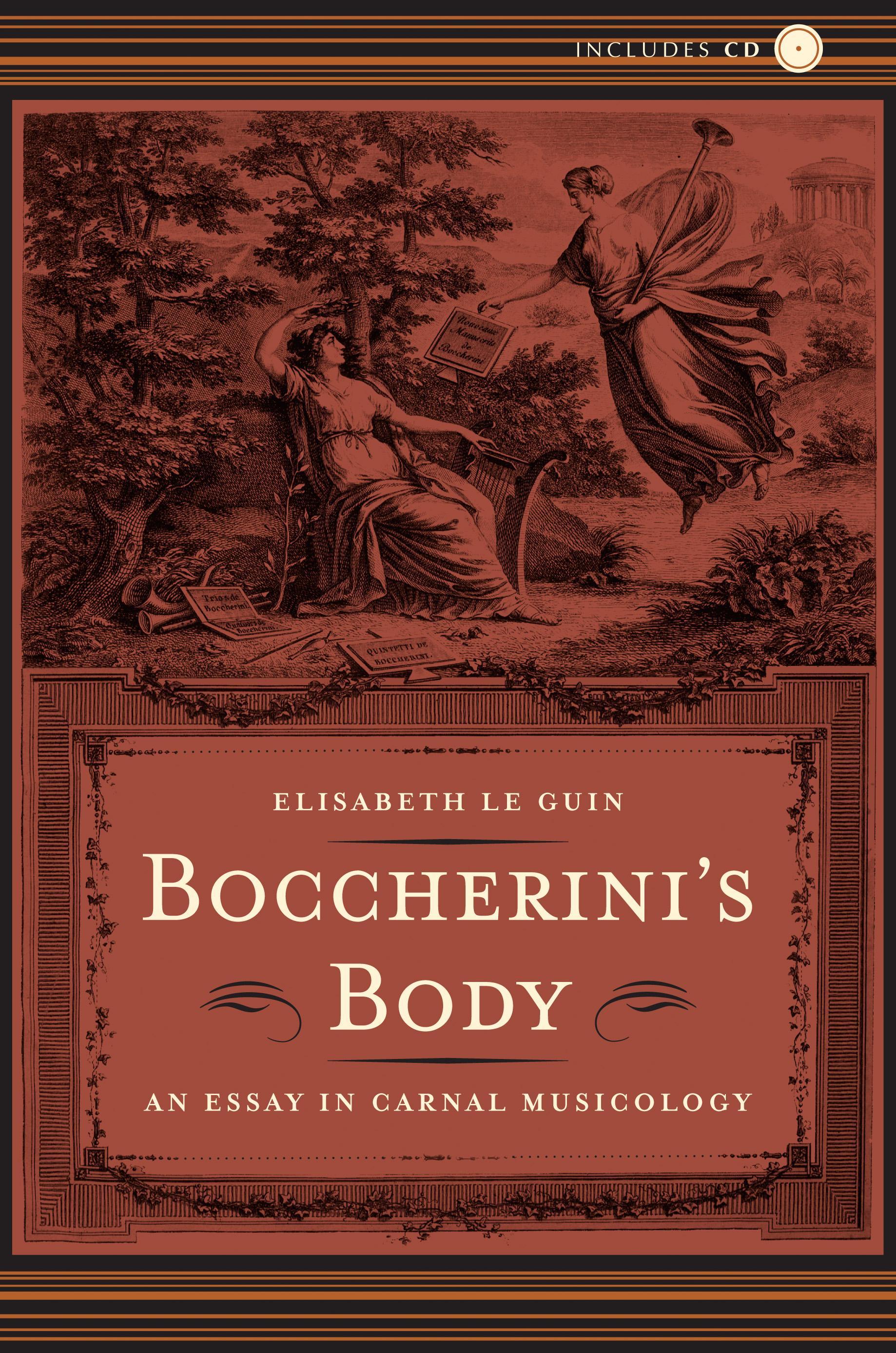
In this elegant study of the works of the undeservedly neglected composer Luigi Boccherini, Elisabeth Le Guin uses knowledge gleaned from her own playing of the cello as the keystone of her original approach to the relationship between music and embodiment. In analyzing the striking qualities of Boccherini's music—its virtuosity, repetitiveness, obsessively nuanced dynamics, delicate sonorities, and rich palette of melancholy affects—Le Guin develops a historicized critical method based on the embodied experience of the performer. In the process, she redefines the temperament of the musical Enlightenment as one characterized by urgent, volatile inquiries into the nature of the self.
Betal enkelt med kort, Klarna, Apple Pay eller Google Pay. Ikke fornøyd? Du har alltid 14 dagers angrerett. Les mer i våre vilkår. Har du spørsmål, send oss en e-post på hello@memmo.org.
Memmo gjør det enklere å studere – uansett hvor du er i verden. Hos oss samler du pensumbøker og smarte studieverktøy på ett og samme sted: sammendrag, quizer, podkaster og flashcards. Og så Ted, din studiekompis som svarer på alt du lurer på. Over 50 000 studenter studerer allerede her – bygget for at du skal lære raskere og stresse mindre.
Du vil kanskje også like
Kjøp boken0