
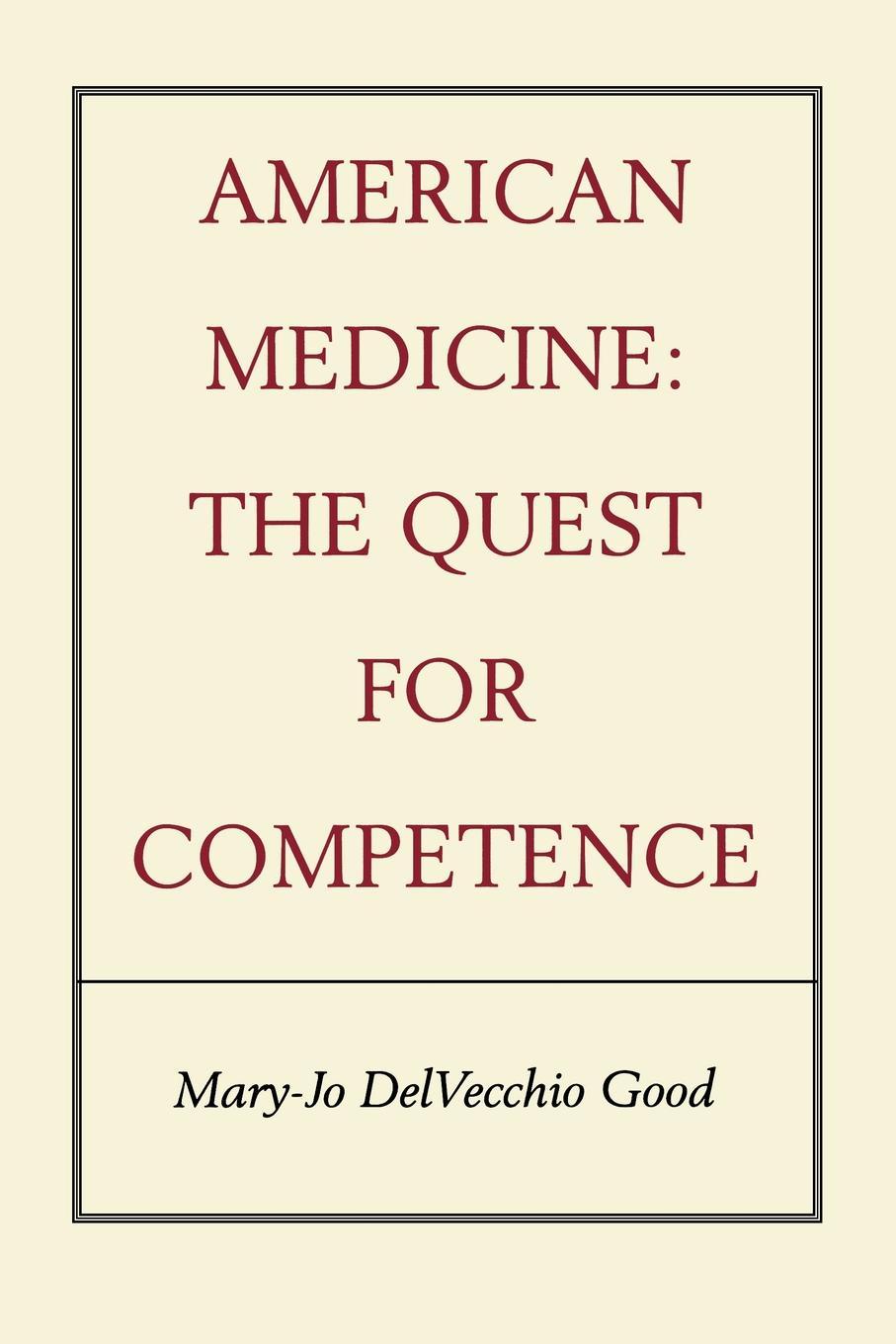
What does it mean to be a good doctor in America today? How do such challenges as new biotechnologies, the threat of malpractice suits, and proposed health-care reform affect physicians' ability to provide quality care?
These and many other crucial questions are examined in this book, the first to fully explore the meaning and politics of competence in modern American medicine. Based on Mary-Jo DelVecchio Good's recent ethnographic studies of three distinct medical communities—physicians in rural California, academics and students involved in Harvard Medical School's innovative "New Pathway" curriculum, and oncologists working on breast cancer treatment—the book demonstrates the centrality of the issue of competence throughout the medical world. Competence, it shows, provides the framework for discussing the power struggles between rural general practitioners and specialists, organizational changes in medical education, and the clinical narratives of high-technology oncologists. In their own words, practitioners, students, and academics describe what competence means to them and reveal their frustration with medical-legal institutions, malpractice, and the limitations of peer review and medical training.
Timely and provocative, this study is essential reading for medical professionals, academics, anthropologists, and sociologists, as well as health-care policymakers.
What does it mean to be a good doctor in America today? How do such challenges as new biotechnologies, the threat of malpractice suits, and proposed health-care reform affect physicians' ability to provide quality care?
These and many other cru
These and many other crucial questions are examined in this book, the first to fully explore the meaning and politics of competence in modern American medicine. Based on Mary-Jo DelVecchio Good's recent ethnographic studies of three distinct medical communities—physicians in rural California, academics and students involved in Harvard Medical School's innovative "New Pathway" curriculum, and oncologists working on breast cancer treatment—the book demonstrates the centrality of the issue of competence throughout the medical world. Competence, it shows, provides the framework for discussing the power struggles between rural general practitioners and specialists, organizational changes in medical education, and the clinical narratives of high-technology oncologists. In their own words, practitioners, students, and academics describe what competence means to them and reveal their frustration with medical-legal institutions, malpractice, and the limitations of peer review and medical training.
Timely and provocative, this study is essential reading for medical professionals, academics, anthropologists, and sociologists, as well as health-care policymakers.
What does it mean to be a good doctor in America today? How do such challenges as new biotechnologies, the threat of malpractice suits, and proposed health-care reform affect physicians' ability to provide quality care?
These and many other cru
Betal enkelt med kort, Klarna, Apple Pay eller Google Pay. Ikke fornøyd? Du har alltid 14 dagers angrerett. Les mer i våre vilkår. Har du spørsmål, send oss en e-post på hello@memmo.org.
Memmo gjør det enklere å studere – uansett hvor du er i verden. Hos oss samler du pensumbøker og smarte studieverktøy på ett og samme sted: sammendrag, quizer, podkaster og flashcards. Og så Ted, din studiekompis som svarer på alt du lurer på. Over 50 000 studenter studerer allerede her – bygget for at du skal lære raskere og stresse mindre.
Du vil kanskje også like
Kjøp boken0