
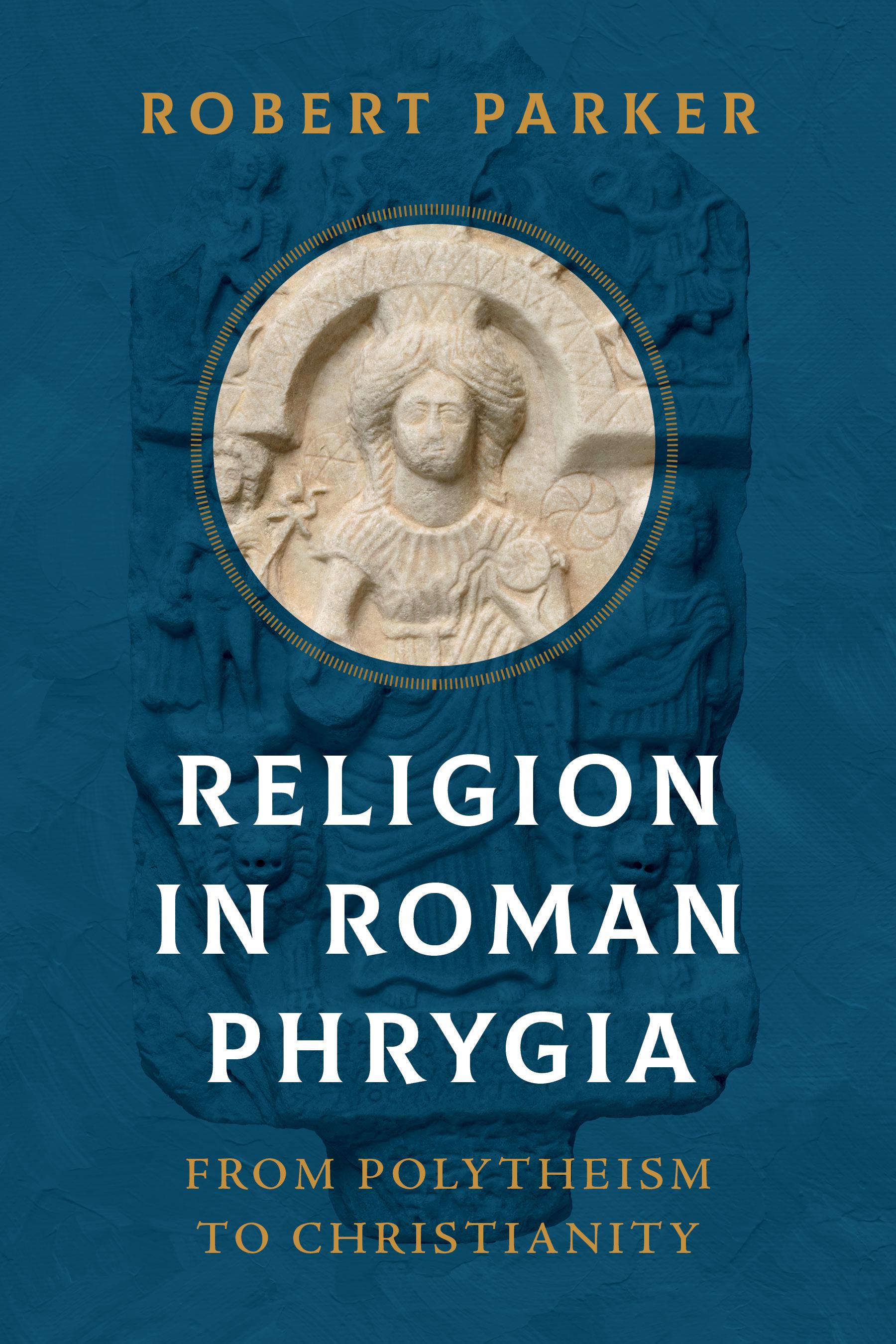
Phrygia in the second and third centuries CE offers more vivid evidence for what has been termed “lived ancient religion” than any other region in the ancient world. The evidence from Phrygia is neither literary nor issued by cities or their powerful inhabitants but rather comes from farmers and herders who left behind numerous stone memorials of themselves and dedications to their gods, praying for the welfare of their families, crops, and cattle. In Religion in Roman Phrygia: From Polytheism to Christianity, Robert Parker opens a rare window into the world of those Sir Ronald Syme called “the voiceless earth-coloured rustics” who have been “conveniently forgotten.” The period in which Phrygian paganism flourished so visibly was also the period in which Christianity was introduced by the apostle Paul and took root. Parker presents a rich body of evidence and uses it to explore one of history’s great stories and enigmas: how and why the new religion overtook its predecessor, with the Christian God meeting needs previously satisfied by Zeus and the other gods.
Betal enkelt med kort, Klarna, Apple Pay eller Google Pay. Ikke fornøyd? Du har alltid 14 dagers angrerett. Les mer i våre vilkår. Har du spørsmål, send oss en e-post på hello@memmo.org.
Memmo gjør det enklere å studere – uansett hvor du er i verden. Hos oss samler du pensumbøker og smarte studieverktøy på ett og samme sted: sammendrag, quizer, podkaster og flashcards. Og så Ted, din studiekompis som svarer på alt du lurer på. Over 50 000 studenter studerer allerede her – bygget for at du skal lære raskere og stresse mindre.