
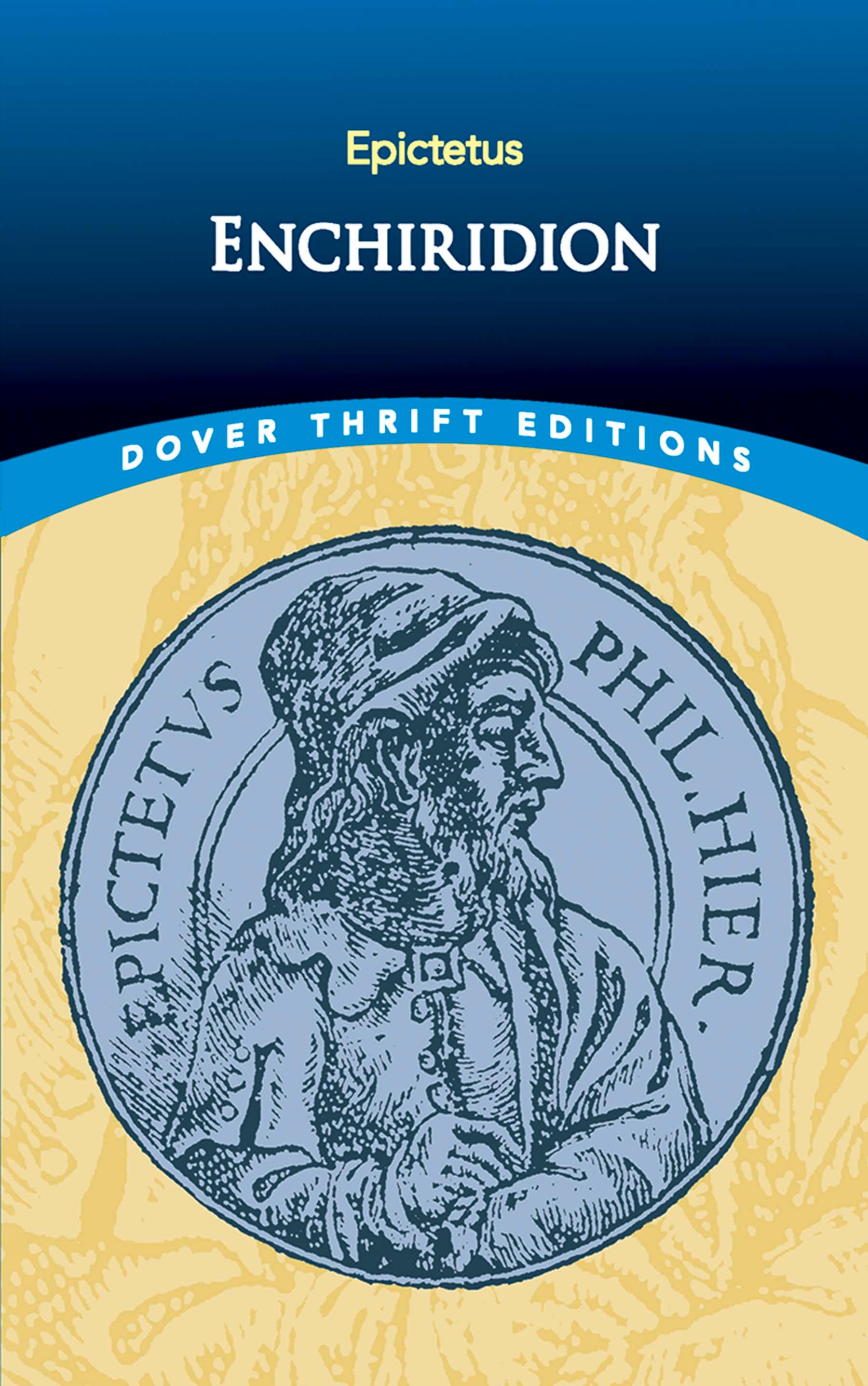
Although he was born into slavery and endured a permanent physical disability, Epictetus (ca. 50–ca. 130 CE) maintained that all people are free to control their lives and live in harmony with nature. We will always be happy, he argued, if we learn to desire that things should be exactly as they are. After attaining his freedom, Epictetus spent his career teaching philosophy and advising a daily regimen of self-examination. His pupil Arrian later collected and published the master's lecture notes; the Enchiridion, or Manual, is a distillation of Epictetus's teachings and an instruction manual for a tranquil life. Full of practical advice, this work offers guidelines for those seeking contentment as well as those who have already made some progress in that direction. Translated by George Long.
Betal enkelt med kort, Klarna, Apple Pay eller Google Pay. Ikke fornøyd? Du har alltid 14 dagers angrerett. Les mer i våre vilkår. Har du spørsmål, send oss en e-post på hello@memmo.org.
Memmo gjør det enklere å studere – uansett hvor du er i verden. Hos oss samler du pensumbøker og smarte studieverktøy på ett og samme sted: sammendrag, quizer, podkaster og flashcards. Og så Ted, din studiekompis som svarer på alt du lurer på. Over 50 000 studenter studerer allerede her – bygget for at du skal lære raskere og stresse mindre.
Du vil kanskje også like
Kjøp boken0