
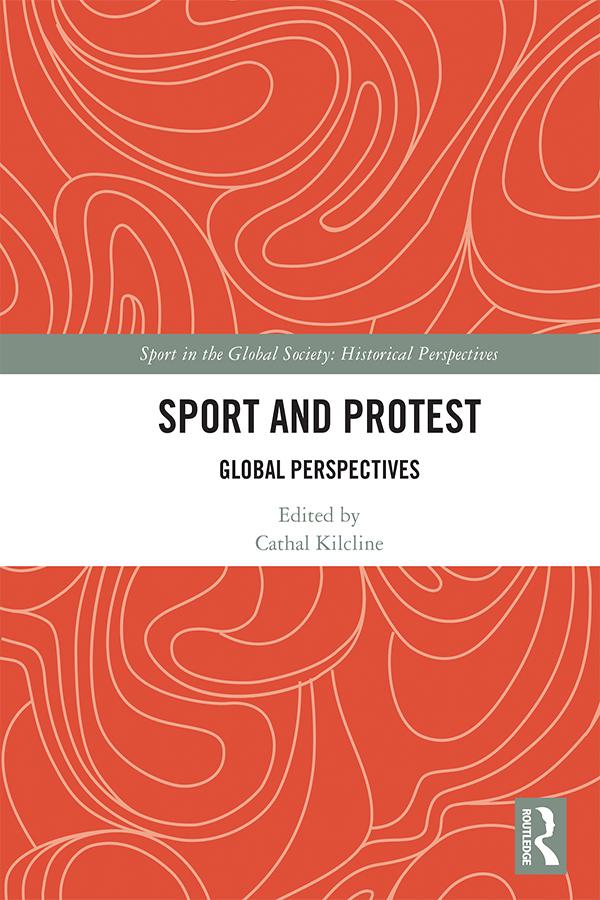
Sporting mega-events habitually spawn protests from local groups discommoded by the building of new infrastructure, environmental lobbies contesting the long-term legacies of such events, and expressions of outrage at the expenditure of public funds on events often restricted to an elite selection of participants and spectators. Are these protest movements ever successful in preventing sporting events from taking place or in modifying their nature, or even in drawing attention to social issues? Or are they inevitably destined to be ignored in the popular fervour and financial windfall that accompanies such events? Similarly, sporting events have occasionally been the site of iconic moments of political protest. Tommie Smith’s and John Carlos’ ‘Black Power’ salute at the Mexico Olympics in 1968, for example, remains one of the abiding symbols of resistance to oppression expressed in a sporting context. What is it about sport that lends itself to these kinds of protests? Are these protests effective in accelerating change in society or does the sporting context ultimately serve to trivialize important social issues? Here we endeavour to respond to some of these questions and thereby illuminate the evolving political, economic, environmental and cultural implications of sport in society.
The chapters in this book were originally published as a special issue in The International Journal of The History of Sport.
Betal enkelt med kort, Klarna, Apple Pay eller Google Pay. Ikke fornøyd? Du har alltid 14 dagers angrerett. Les mer i våre vilkår. Har du spørsmål, send oss en e-post på hello@memmo.org.
Memmo gjør det enklere å studere – uansett hvor du er i verden. Hos oss samler du pensumbøker og smarte studieverktøy på ett og samme sted: sammendrag, quizer, podkaster og flashcards. Og så Ted, din studiekompis som svarer på alt du lurer på. Over 50 000 studenter studerer allerede her – bygget for at du skal lære raskere og stresse mindre.