
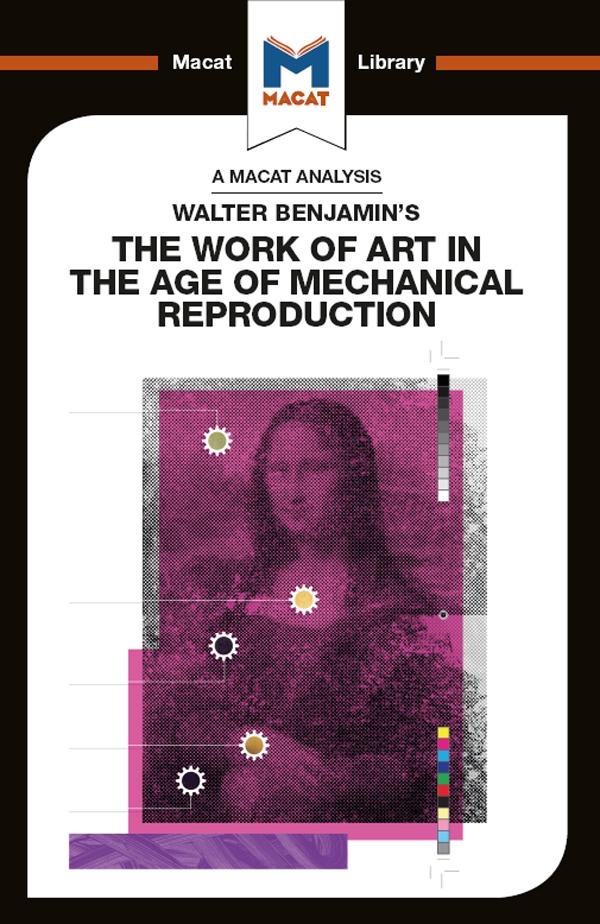
The Work of Art in the Age of Mechanical Reproduction combats traditional art criticism’s treatment of artworks as fixed, unchanging mystical objects. For Walter Benjamin, the consequences of addressing a work of art in this manner have a wider resonance: closed off from any active visual or tactile engagement, the work of art becomes an object of passive contemplation and a potential tool of oppression.
Benjamin argues that technology has fundamentally altered the way art is experienced. Potentially open to interpretation and accessible to many, art in the age of mechanical reproduction has the potential to be mobilized for radical purposes. While ostensibly addressing the artistic consequences of technical reproducibility on art, Benjamin also addresses the wider political consequences of this shift.
Betal enkelt med kort, Klarna, Apple Pay eller Google Pay. Ikke fornøyd? Du har alltid 14 dagers angrerett. Les mer i våre vilkår. Har du spørsmål, send oss en e-post på hello@memmo.org.
Memmo gjør det enklere å studere – uansett hvor du er i verden. Hos oss samler du pensumbøker og smarte studieverktøy på ett og samme sted: sammendrag, quizer, podkaster og flashcards. Og så Ted, din studiekompis som svarer på alt du lurer på. Over 50 000 studenter studerer allerede her – bygget for at du skal lære raskere og stresse mindre.