
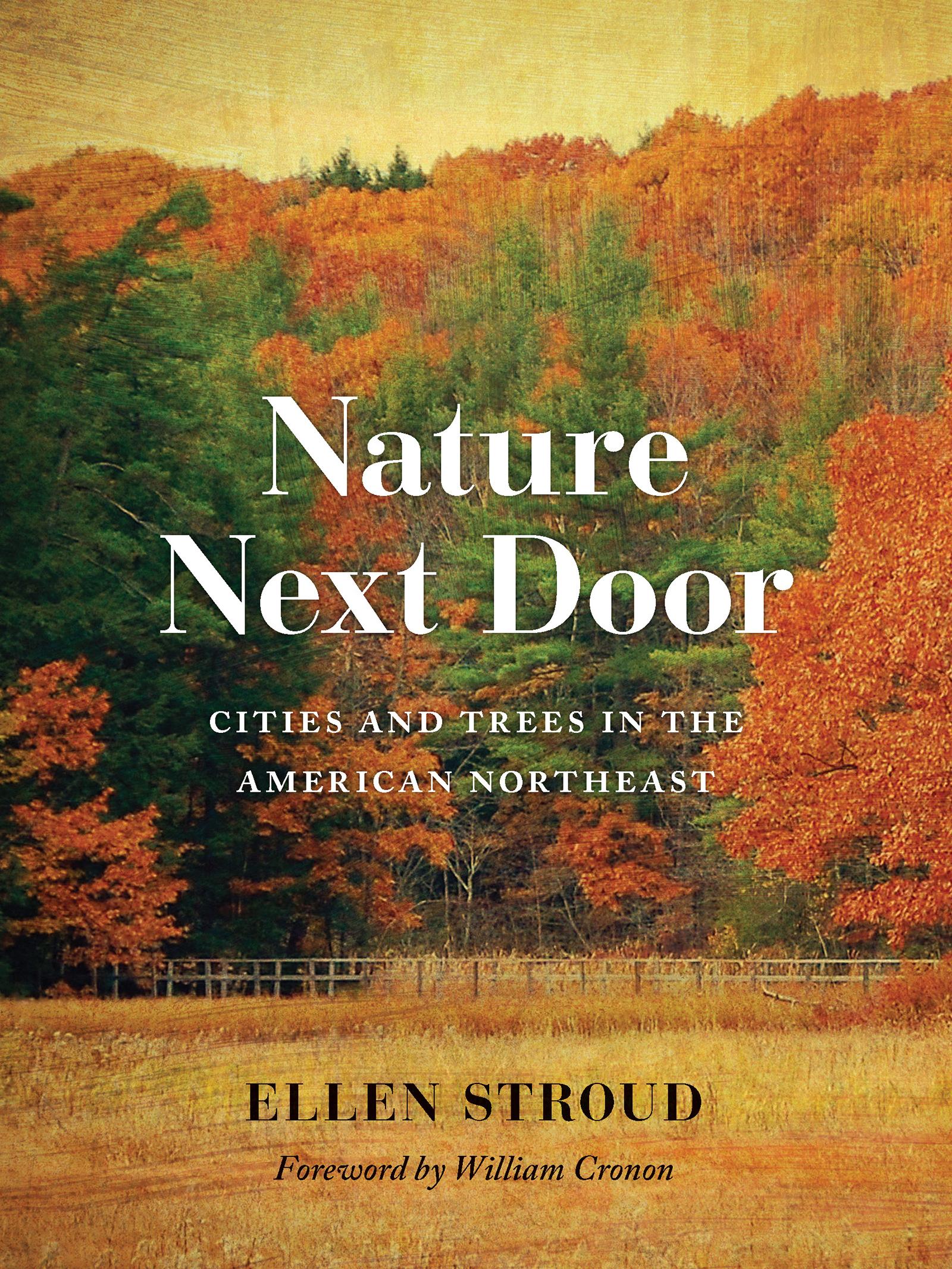
The once denuded northeastern United States is now a region of trees. Nature Next Door argues that the growth of cities, the construction of parks, the transformation of farming, the boom in tourism, and changes in the timber industry have together brought about a return of northeastern forests. Although historians and historical actors alike have seen urban and rural areas as distinct, they are in fact intertwined, and the dichotomies of farm and forest, agriculture and industry, and nature and culture break down when the focus is on the history of Northeastern woods. Cities, trees, mills, rivers, houses, and farms are all part of a single transformed regional landscape.
In an examination of the cities and forests of the northeastern United States-with particular attention to the woods of Maine, New Hampshire, Pennsylvania, and Vermont-Ellen Stroud shows how urbanization processes there fostered a period of recovery for forests, with cities not merely consumers of nature but creators as well. Interactions between city and hinterland in the twentieth century Northeast created a new wildness of metropolitan nature: a reforested landscape intricately entangled with the region's cities and towns.
Betal enkelt med kort, Klarna, Apple Pay eller Google Pay. Ikke fornøyd? Du har alltid 14 dagers angrerett. Les mer i våre vilkår. Har du spørsmål, send oss en e-post på hello@memmo.org.
Memmo gjør det enklere å studere – uansett hvor du er i verden. Hos oss samler du pensumbøker og smarte studieverktøy på ett og samme sted: sammendrag, quizer, podkaster og flashcards. Og så Ted, din studiekompis som svarer på alt du lurer på. Over 50 000 studenter studerer allerede her – bygget for at du skal lære raskere og stresse mindre.