
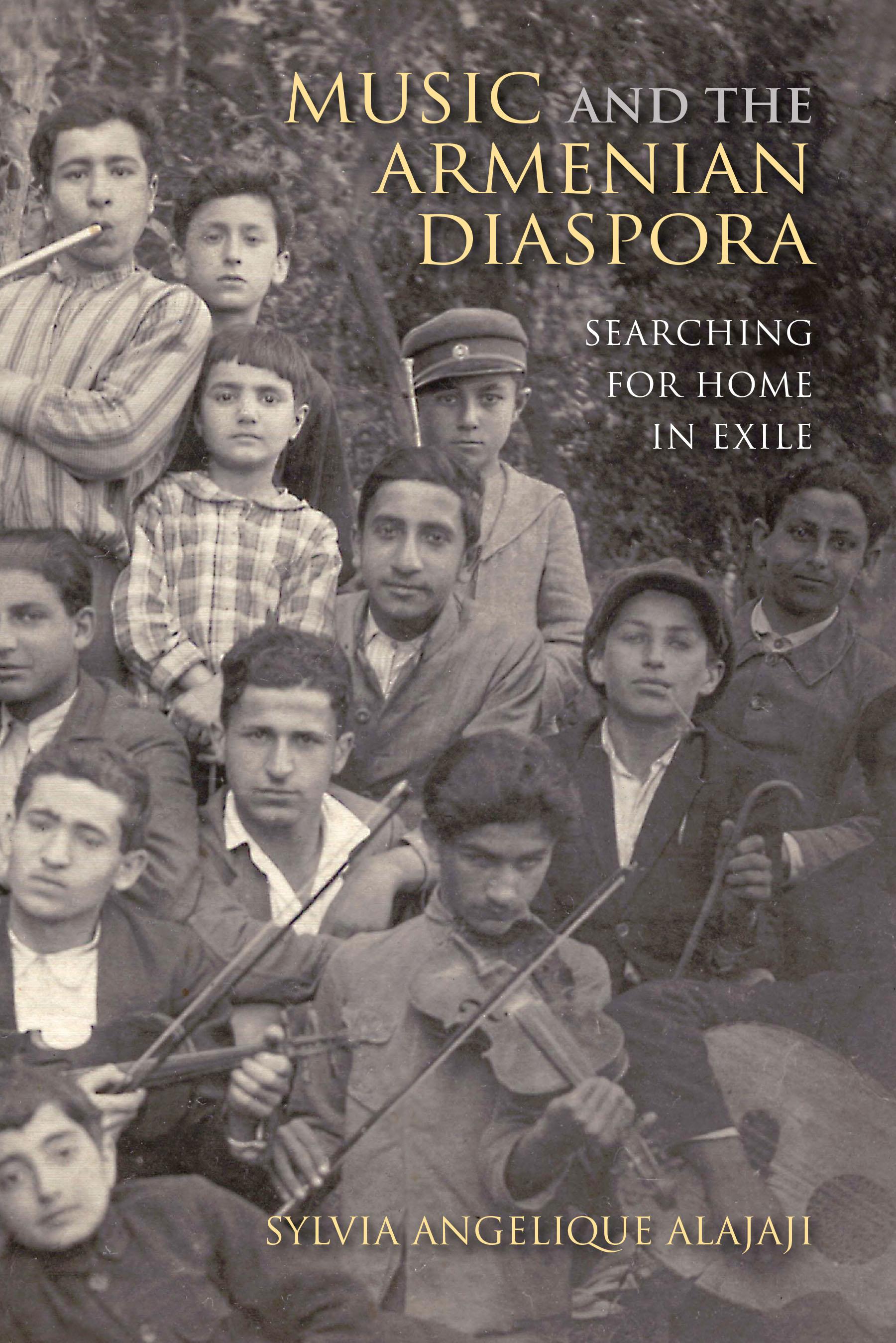
Survivors of the Armenian genocide of 1915 and their descendants have used music to adjust to a life in exile and counter fears of obscurity. In this nuanced and richly detailed study, Sylvia Angelique Alajaji shows how the boundaries of Armenian music and identity have been continually redrawn: from the identification of folk music with an emergent Armenian nationalism under Ottoman rule to the early postgenocide diaspora community of Armenian musicians in New York, a more self-consciously nationalist musical tradition that emerged in Armenian communities in Lebanon, and more recent clashes over music and politics in California. Alajaji offers a critical look at the complex and multilayered forces that shape identity within communities in exile, demonstrating that music is deeply enmeshed in these processes. Multimedia components available online include video and audio recordings to accompany each case study.
Betal enkelt med kort, Klarna, Apple Pay eller Google Pay. Ikke fornøyd? Du har alltid 14 dagers angrerett. Les mer i våre vilkår. Har du spørsmål, send oss en e-post på hello@memmo.org.
Memmo gjør det enklere å studere – uansett hvor du er i verden. Hos oss samler du pensumbøker og smarte studieverktøy på ett og samme sted: sammendrag, quizer, podkaster og flashcards. Og så Ted, din studiekompis som svarer på alt du lurer på. Over 50 000 studenter studerer allerede her – bygget for at du skal lære raskere og stresse mindre.