
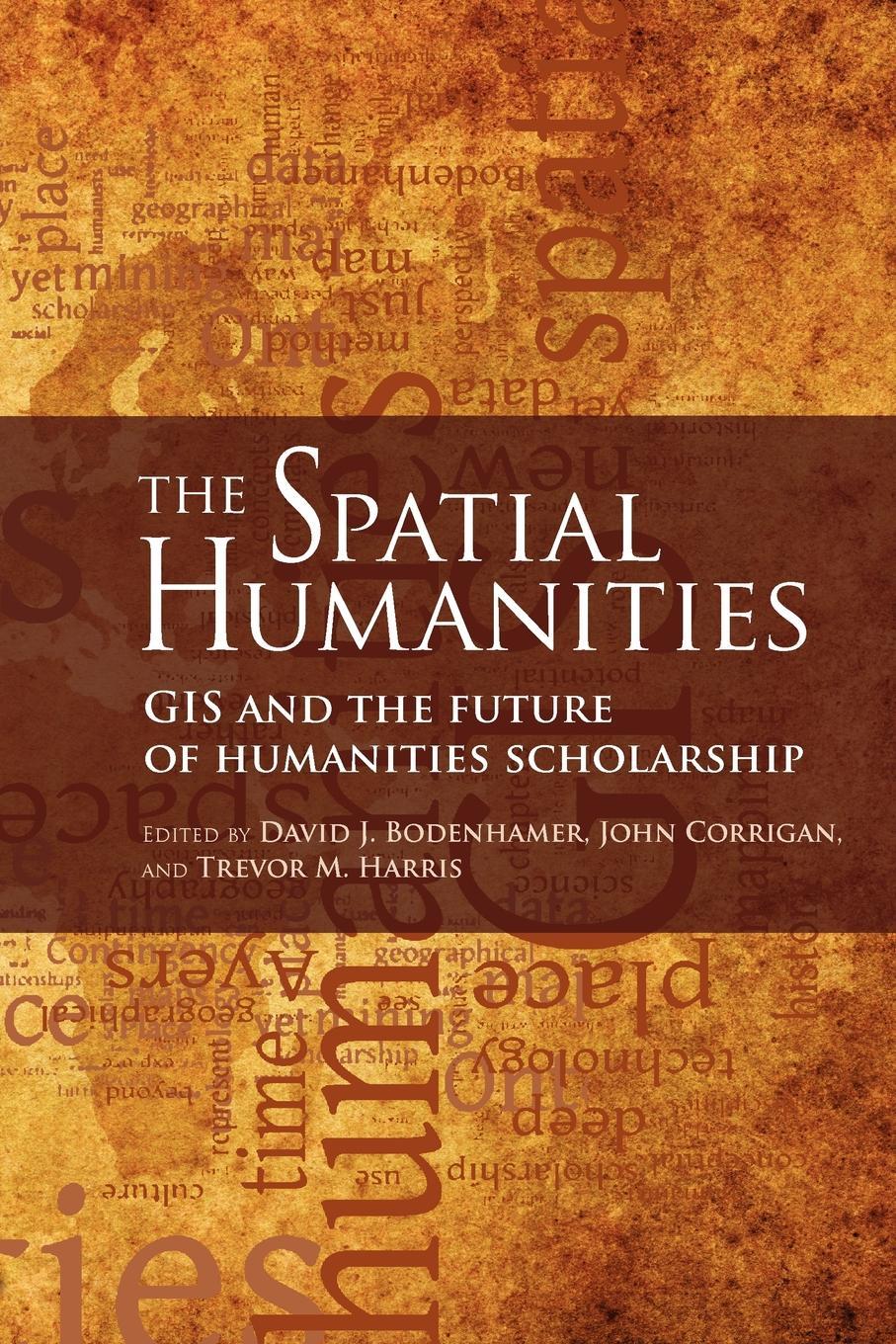
Geographic information systems (GIS) have spurred a renewed interest in the influence of geographical space on human behavior and cultural development. Ideally GIS enables humanities scholars to discover relationships of memory, artifact, and experience that exist in a particular place and across time. Although successfully used by other disciplines, efforts by humanists to apply GIS and the spatial analytic method in their studies have been limited and halting. The Spatial Humanities aims to re-orient—and perhaps revolutionize—humanities scholarship by critically engaging the technology and specifically directing it to the subject matter of the humanities. To this end, the contributors explore the potential of spatial methods such as text-based geographical analysis, multimedia GIS, animated maps, deep contingency, deep mapping, and the geo-spatial semantic web.
Betal enkelt med kort, Klarna, Apple Pay eller Google Pay. Ikke fornøyd? Du har alltid 14 dagers angrerett. Les mer i våre vilkår. Har du spørsmål, send oss en e-post på hello@memmo.org.
Memmo gjør det enklere å studere – uansett hvor du er i verden. Hos oss samler du pensumbøker og smarte studieverktøy på ett og samme sted: sammendrag, quizer, podkaster og flashcards. Og så Ted, din studiekompis som svarer på alt du lurer på. Over 50 000 studenter studerer allerede her – bygget for at du skal lære raskere og stresse mindre.